

Ever wondered how late you can plant beets and still enjoy a bountiful harvest? Picture this: it’s already past the typical planting season, and you’re eager to get those vibrant beets growing in your garden. You might be pleasantly surprised to learn that there’s still hope for your beet-growing dreams, even if you’ve missed the traditional window.
In this article, you’ll uncover the secrets to successfully planting beets later than expected. From tips on choosing the right varieties to advice on creating optimal growing conditions, we’ve got you covered. By the end, you’ll feel confident and ready to extend your beet-growing season, ensuring a delicious and colorful addition to your homegrown produce. Let’s dive in and discover how you can make the most of planting beets, no matter the time of year.
Understanding Beet Planting Seasons
Whether you’re a seasoned gardener or a beginner, knowing when to plant beets is crucial for a successful harvest.
Factors affecting planting seasons:
- Temperature: Beets thrive in cooler weather.
- Soil conditions: Well-drained soil is essential.
- Growing duration: Beets have a short growing cycle.
Late planting considerations:
- Choose quick-maturing varieties: Opt for varieties like Early Wonder that mature in about 50-60 days.
- Monitor weather: Check for unexpected frosts.
- Spring: Plant when soil temperatures reach 50°F.
- Fall: Aim for a cool period before frost sets in.
By understanding these factors, you can confidently extend your beet-growing season.
Choosing the Right Beet Varieties for Late Planting
When selecting beet varieties for late planting, opt for quick-maturing options that can thrive in shorter growing seasons. Look for varieties that can reach maturity in 50-60 days or less.
Consider varieties such as:
- Boltardy: Known for its resistance to bolting, ideal for late planting.
- Detroit Dark Red: A popular choice with a rich, deep color and quick maturity.
- Chioggia: Offers a unique pink and white striped flesh and matures relatively fast.
These varieties are well-suited for late planting scenarios, ensuring you can still enjoy a successful beet harvest even when planting later in the season.
Recommended Products

Days to Maturity: 50 from setting out transplants For years Packman has been the go-to broccoli for generous, dependable yields of big domes and lots of side shoots. It was heat-tolerant and easy to grow in a wide range of climates. Now we are introducing its replacement, which improves on Packman's strengths and adds a few more of its own

🧑🌾 Rainbow Mix Beet Seeds – Colorful Root Variety: Grow a vibrant blend of red, golden, white, and striped beets with striking interiors and smooth texture. This mix delivers a visually stunning harvest along with rich, earthy to mild-sweet flavors perfect for a wide range of dishes.
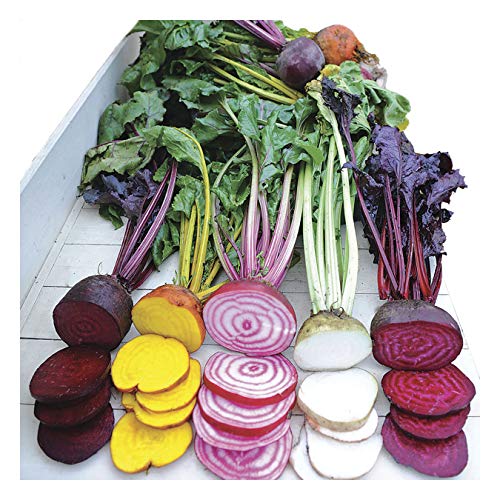
Includes 200 Seeds in a Pack. 50 to 55 days from direct-sowing. It's a beet lover's dream come true! Five superb globe varieties, all as distinctive in flavor as they are in color, can be yours for the price of a single packet of seed!
Preparing the Soil for Late-Season Beet Planting
To prepare the soil for late-season beet planting, follow these steps:
- Clear the area: Remove any weeds or debris that may hinder beet growth.
- Loosen the soil: Use a garden fork to break up compacted soil, allowing roots to penetrate easily.
- Add compost: Incorporate organic matter to improve soil structure and provide essential nutrients.
- Perform a soil test: Check the pH levels and nutrient content to ensure optimal conditions for beet growth.
- Apply fertilizer: Based on the soil test results, supplement with a balanced fertilizer to meet the specific needs of beets.
For successful late-season beet planting, soil temperature is crucial. Make sure the soil is cool but not cold to promote germination and early growth. Keep an eye on the weather forecast to avoid extreme temperature fluctuations that can stress young plants.
Remember, the key to a bountiful beet harvest lies in preparing the soil properly and monitoring conditions closely throughout the late planting season.
Planting Techniques for Success
When planting beets later in the season, select a sunny spot with well-drained soil. Avoid overcrowding to allow room for roots to develop properly. Here are some essential tips for successful late-season beet planting:
- Preparing the Soil: Clear the area, loosen the soil, add compost, conduct a soil test, and apply fertilizer.
- Planting Depth: Sow beet seeds 1/2 inch deep in rows spaced 12-18 inches apart.
- Watering: Keep the soil consistently moist but not waterlogged to promote seed germination and growth.
- Thinning Seedlings: Once seedlings emerge, thin them to ensure each beet has enough space to grow.
- Mulching: Apply a layer of mulch to retain moisture, regulate soil temperature, and suppress weeds.
- Monitoring: Regularly check soil moisture, temperature, and be on the lookout for pests or diseases.
- Harvesting: Beets are ready for harvest 50-70 days after planting, depending on the variety.
With the right planting techniques and proper care, you can enjoy a bountiful beet harvest even when planting later in the season.
Extending the Beet-Growing Season
Late into the season, you can still plant beets with success. Here’s how you can extend your beet-growing season:
- Choose Quick-Maturing Varieties: Opt for varieties like ‘Boltardy’ or ‘Detroit Dark Red’ that mature in 50-60 days.
- Successive Planting: Plant seeds every 2-3 weeks for a continuous harvest.
- Protect from Frost: Use row covers or cloches to shield young plants from late-season frosts.
- Monitor Temperature: Beets thrive in cool soil, so keep an eye on soil temperatures. Plant when the soil is around 50-85°F.
- Consider Fall Planting: In milder climates, fall planting can yield a late-fall or even early-winter harvest.
With these strategies, you can enjoy fresh, home-grown beets well into the cooler months.
Conclusion
You now have the tools to plant beets later in the season successfully. By selecting the right varieties, planting in succession, shielding from frost, monitoring soil temperatures, and considering fall planting, you can continue harvesting fresh beets well into the cooler months. Enjoy your extended beet-growing season!
Frequently Asked Questions
What are the key strategies for extending the beet-growing season?
To extend the beet-growing season, choose quick-maturing beet varieties, practice successive planting every 2-3 weeks, protect plants from frost with row covers or cloches, monitor soil temperatures, and consider fall planting for late-fall or early-winter harvest in milder climates.
How can I protect beet plants from frost?
Protect beet plants from frost by using row covers or cloches to shield them from low temperatures and frost damage.
Why is choosing quick-maturing beet varieties important?
Selecting quick-maturing beet varieties is crucial to ensure a successful late-season harvest before the temperatures drop, allowing you to enjoy fresh beets well into the cooler months.
When should I consider fall planting for beets?
Consider fall planting for beets to achieve a late-fall or early-winter harvest, particularly in milder climates where the weather is conducive for growing beets during the cooler seasons.
