

Ever wondered how you can grow your own vibrant, nutrient-packed beets right in your backyard? Picture this: you’re craving a fresh, homegrown salad, and you step outside to pick some juicy beets straight from your garden. Sounds amazing, right? In this article, you’ll discover the simple steps to plant and nurture beets, turning your garden into a colorful beet haven.
Have you ever faced the disappointment of bland, store-bought beets that lack that earthy sweetness? Say goodbye to that letdown! By learning the art of planting and caring for beets, you’ll savor the satisfaction of harvesting your own organic produce. From seed to table, you’ll relish the flavors of your homegrown beets and elevate your culinary adventures.
Choosing the Right Beet Variety
When it comes to choosing the right beet variety, consider factors such as taste preferences, color preferences, and intended use. Here are some popular beet varieties to get you started on your beet-growing journey:
- Red Ace: A classic beet known for its sweet flavor and deep red color.
- Golden: If you prefer a milder, sweeter flavor with vibrant golden-yellow flesh, this is the variety for you.
- Chioggia: Also called Candy Cane beets, they have a unique pink-and-white striped interior that adds a pop of color to your dishes.
- Cylindra: Known for its cylindrical shape and easy slicing, making it ideal for pickling.
Each variety has its own characteristics that suit different tastes and preferences.Experiment with a few types to find your favorites.
Recommended Products
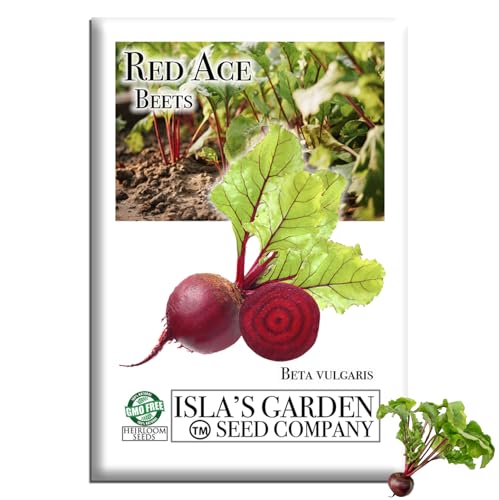
🥬 Productive Garden Beet Variety: Red Ace Beets produce smooth, round roots with a deep red color and dependable growth in home gardens. The sturdy plants develop leafy green tops while forming uniform beet roots beneath the soil. A reliable choice for backyard vegetable gardens and raised beds where gardeners want steady root harvests.

TOP-RATED NUTRITIONAL HEIRLOOM: Detroit Dark Red is a premium, high-yielding, and stress-resistant beet variety that stands at the pinnacle of root vegetables. This all-season favorite is a mid-early universal cultivar, perfect for consistent home harvests of professional quality.

HIGH GERMINATION RATE – PLANT WITH CONFIDENCE: Achieve impressive germination with our Detroit Dark Red Beet seeds, ensuring consistent growth and a rewarding gardening experience for both novice and experienced gardeners. Enjoy a bountiful and healthy harvest.
Preparing the Soil for Planting
When preparing the soil for planting beets, it’s crucial to ensure that you have the right conditions for these vibrant root vegetables to thrive. Here’s what you need to do:
- Location: Choose a sunny spot with well-draining soil to plant your beets. They prefer full sun but can tolerate partial shade.
- Soil pH: Aim for a pH level between 6.0 and 7.0. You can test your soil using a home kit or through your local extension office.
- Soil Preparation: Loosen the soil to a depth of at least 6-8 inches and remove any debris like rocks or weeds.
- Amendments: If needed, add compost or organic matter to improve soil fertility and structure.
- Fertilization: Beets are moderate feeders, so consider incorporating a balanced fertilizer into the soil before planting.
By following these steps, you’ll create an optimal environment for your beets to grow and thrive.
Planting Beet Seeds
When Planting Beet Seeds, follow these steps:
- Prepare the soil: Ensure it’s well-draining, loose, and free of debris.
- Sow the seeds: Plant them about 1 inch apart and 1/2 inch deep in rows.
You should start to see germination within 5 to 8 days.
Important Timing:
Here’s a rough schedule for planting beets:
| Stage | Timeframe |
|---|---|
| Planting | Spring or fall |
| Harvesting | 55-70 days after planting |
Pro tip:
Thin out seedlings to 3 to 4 inches apart once they have a couple of true leaves to prevent overcrowding.
Watering and Nutrient Requirements
When it comes to watering your beets, ensure the soil is consistently moist but not waterlogged. Aim to provide 1-2 inches of water per week, either through rainfall or irrigation.
For nutrient requirements, beets benefit from a balanced fertilizer with a higher amount of potassium and phosphorus compared to nitrogen. Consider a 10-20-10 ratio fertilizer for optimal growth.
Remember, over-fertilizing can lead to lush foliage but stunted root development. Strike a balance to promote healthy beet growth.
| Watering | Nutrient Ratios |
|---|---|
| 1-2 inches per week | 10-20-10 |
Harvesting and Storing Beets
When it’s time to harvest beets, gently loosen the soil around the plant, grasp the greens near the root, and carefully pull straight up. Trim the tops, leaving an inch of stem to prevent bleeding during cooking.
For optimal storage, remove the greens, leaving an inch of stem. Store the beets in a cool, dark place with a temperature of around 32°F to 40°F to maintain freshness. They can last for up to 3-4 months this way.
Avoid storing beets near ethylene-producing fruits like apples and pears, which can cause them to sprout prematurely. Check stored beets regularly for any signs of spoilage or soft spots.
Recommended Products
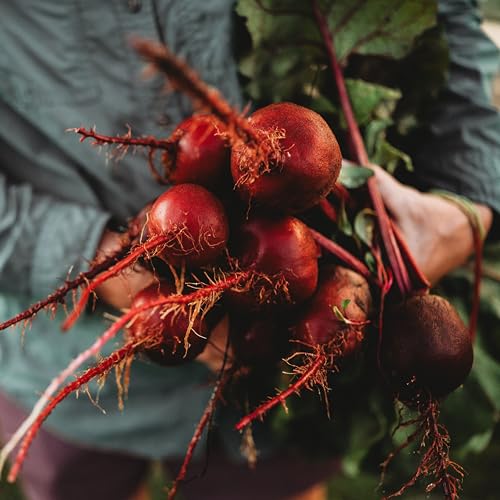
Classic Heirloom Storage Beet – Lutz Green Leaf Beet is a time-tested American heirloom dating to the early 20th century, long valued for its exceptional keeping quality. Often called the “Winter Keeper,” this variety produces large, sweet, tender roots that store beautifully for months without becoming tough or woody.

This powerful blend of beet root and herbal ingredients are designed to support your Digestive, Immune System, and Energy levels*
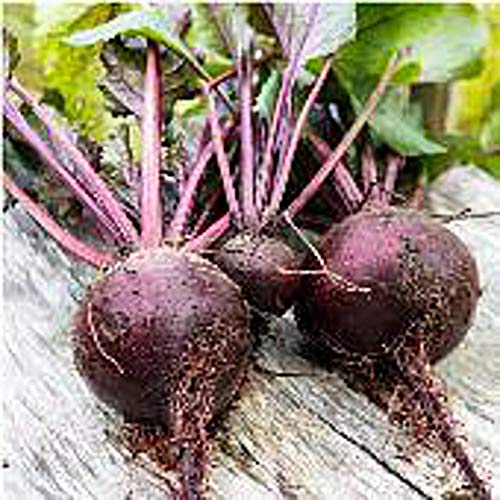
Seeds are perfect for Planting in Gardens and Greenhouses.
Conclusion
You’ve now learned how to properly harvest and store your beets for long-lasting freshness. Remember to gently loosen the soil when harvesting, trim the tops, and leave an inch of stem intact. For optimal storage, remove the greens, leave an inch of stem, and keep your beets in a cool, dark place at 32°F to 40°F. Be cautious of storing them near ethylene-producing fruits like apples and pears to avoid premature sprouting. Regularly check your stored beets for any signs of spoilage or soft spots to ensure they stay fresh for up to 3-4 months. Happy gardening and enjoy your homegrown beets!
Frequently Asked Questions
How should I harvest beets?
When harvesting beets, gently loosen the soil around the plant, trim the tops, and leave an inch of stem to prevent bleeding during cooking.
How should I store beets to keep them fresh?
For optimal storage, remove the greens, leave an inch of stem, and store the beets in a cool, dark place at 32°F to 40°F for freshness lasting up to 3-4 months.
What should I avoid when storing beets?
Avoid storing beets near ethylene-producing fruits like apples and pears to prevent premature sprouting.
How can I ensure my stored beets stay fresh?
Regularly check stored beets for spoilage or soft spots to ensure they stay fresh and usable.
