

Ever wondered how deep those vibrant beets really go underground? Picture this: you’re harvesting your garden, and as you pull up a beet, you’re left wondering how far its roots stretch beneath the surface. In this article, we’re diving into the fascinating world of beet roots and exploring just how deep they can grow.
Have you ever faced the frustration of stunted beet growth despite your best efforts? Understanding the depth at which beets thrive can be the key to cultivating a bountiful harvest. By uncovering the secrets of beet root growth, you’ll be equipped with the knowledge to nurture your beets effectively and ensure they reach their full potential.
Exploring The Depth of Beet Roots
Have you ever wondered how far below the soil surface beet roots reach? Understanding the depth at which beets grow is crucial for their successful cultivation. Let’s dive into the fascinating world beneath the ground and explore the secrets of beet root growth.
- Beet roots generally grow to a depth of around 12 to 18 inches below the soil surface.
- The depth can vary depending on soil type, moisture levels, and growing conditions.
- Beets develop a taproot that penetrates deep into the soil, anchoring the plant and absorbing nutrients.
Knowing how deep beets grow helps you plan your garden effectively. Next, let’s delve into why this depth matters and how it impacts your beet harvest.
Factors Affecting Beet Root Growth
When it comes to beet root growth, several key factors can influence how deep they reach underground. Understanding these factors can help you optimize your beet cultivation and ensure a plentiful harvest:
- Soil Type: Different soil types can impact how deeply beets grow. Sandy soils, for example, tend to allow roots to penetrate deeper, while clay soils may restrict root growth.
- Moisture Levels: Adequate moisture is crucial for beet root development. Inconsistent watering or overly dry conditions can hinder root growth and overall plant health.
- Temperature: Beets prefer cool weather for optimal growth. Extreme heat can stress the plants and affect root development.
- Nutrient Availability: The availability of essential nutrients in the soil, such as phosphorus and potassium, plays a vital role in supporting beet root growth.
- Spacing: Proper spacing between beet plants is essential for healthy root development. Crowded plants may compete for resources and result in shallower root systems.
By considering these factors and making adjustments to your beet cultivation practices, you can encourage beet roots to grow to their full potential.
Recommended Products

TOP-RATED NUTRITIONAL HEIRLOOM: Detroit Dark Red is a premium, high-yielding, and stress-resistant beet variety that stands at the pinnacle of root vegetables. This all-season favorite is a mid-early universal cultivar, perfect for consistent home harvests of professional quality.
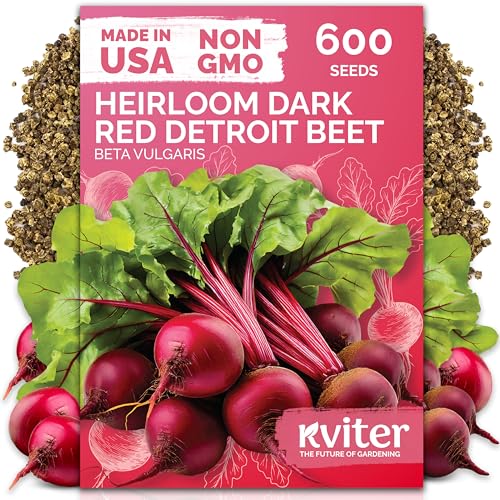
55-60 Day Harvest: Red beet seeds mature fast with tender 2-3 inch roots and sweet classic flavor; sow in loose, well-drained soil at 55-70 °F for best vegetable seeds results.

HIGH GERMINATION RATE – PLANT WITH CONFIDENCE: Achieve impressive germination with our Detroit Dark Red Beet seeds, ensuring consistent growth and a rewarding gardening experience for both novice and experienced gardeners. Enjoy a bountiful and healthy harvest.
Optimal Soil Conditions for Beet Growth
Growing beets successfully starts with choosing the right soil. Here are some optimal soil conditions for healthy beet root development:
- Loamy soil: Ideal for beets as it offers good drainage and aeration.
- pH level: Aim for a slightly acidic to neutral pH level, around 6.0-7.0.
- Texture: Opt for well-draining soil to prevent waterlogging, which can hinder root growth.
- Organic matter: Ensure soil is rich in organic matter for nutrients and moisture retention.
By providing the optimal soil conditions, you create the foundation for robust beet growth.
Recommended Products

Quick, at home results for Soil pH, Nitrogen, Phosphorous and Potash Innovative and inexpensive soil test kit features an easy-to-use capsule system and patented color comparators

Kindly NOTE: This soil tester can not be applied to test pH value of any other liquid. If the soil is too dry the indicator will not move, and water it before testing.

Accurate Soil pH Testing: Dewildetradingco Soil pH Test Strips offer measurements of soil pH levels (pH 3.5-9). As an essential tool for every gardener and grower, these test strips help determine the optimal pH for various plants, such as outdoor plants, indoor plants, gardens, grass lawns, fruit trees, flowers, vegetables, and forest shrubs.
Techniques to Help Beets Grow Deeper
When looking to encourage your beet crop to grow deeper into the soil, there are several techniques you can implement.
- Loosen the Soil: Ensure the soil is well-aerated by loosening it with a garden fork or tiller. This practice facilitates root penetration and allows beets to delve deeper.
- Mulch Application: Mulching your beet plants can help maintain soil moisture levels and prevent surface crusting, encouraging roots to grow deeper in search of water.
- Regular Watering: Consistent watering is crucial for promoting deep root growth in beets. Water deeply but infrequently to encourage roots to reach further into the soil for moisture.
- Avoid Soil Compaction: Be cautious not to compact the soil around your beet plants. Compacted soil restricts root growth; hence, ensuring loose, friable soil is essential.
| Watering Depth | Optimal Root Depth |
|---|---|
| 12-18 inches | 12-18 inches |
- Fertilize Wisely: Use a balanced fertilizer to provide essential nutrients for healthy root development. Avoid over-fertilizing, as excessive nutrients can hinder deeper root growth.
- Plant Spacing: Adequate spacing between beet plants allows roots to spread out and grow deeper without competition, optimizing their access to nutrients and water.
By employing these techniques, you can encourage your beet plants to establish strong, deep root systems, ensuring optimal growth and productivity underground.
Conclusion
You’ve learned valuable techniques to help your beets grow deep roots for optimal growth. By loosening the soil, applying mulch, watering deeply, avoiding compaction, using balanced fertilizers, and spacing your plants adequately, you’re setting the stage for thriving beet plants. Encouraging strong root systems will enhance the productivity of your beets below the surface. Keep implementing these practices to ensure your beets reach their full potential and yield a bountiful harvest. Happy gardening!
Frequently Asked Questions
How can I help beets grow deeper in the soil?
To help beets grow deeper in the soil, it’s essential to loosen the soil before planting to allow easy penetration for roots. Apply a layer of mulch around the plants to maintain moisture and regulate temperature. Water consistently but deeply, ensuring the water reaches the root zone. Avoid soil compaction by not walking on the planting area. Use balanced fertilizers to provide essential nutrients for root development. Ensure adequate plant spacing to prevent overcrowding, which can hinder root growth. These practices will encourage strong, deep root systems in beet plants.
Why is deep root growth important for beet plants?
Deep root growth is crucial for beet plants as it allows them to access water and nutrients from deeper soil layers. This helps the plants withstand drought conditions, access more nutrients, and anchor themselves firmly in the ground. Strong, deep root systems also contribute to the overall health and vigor of beet plants, promoting increased growth and productivity underground. By focusing on techniques that encourage deep root growth, you can optimize the development and performance of your beet plants.
