

Ever wondered how long it takes for those tiny beet seeds to sprout into vibrant plants in your garden? Picture this: you’ve carefully planted your beet seeds, watered them, and now the waiting game begins. But how long will it actually take for those seeds to burst to life?
In this article, you’re about to uncover the mystery behind the germination timeline of beet seeds. From planting to the first signs of growth, you’ll learn the stages these seeds go through before emerging from the soil.
Understanding Beet Seeds Germination
Growing beet seeds can be an exciting journey filled with anticipation. Here’s a breakdown of the key stages in the germination process:
- Planting: You’ve carefully sown your beet seeds into the soil, ensuring they have enough space to grow.
- Water and Light: Adequate watering and exposure to sunlight are crucial for seed germination. Keep the soil consistently moist but not waterlogged.
- Germination Period: Beet seeds typically germinate within 5 to 10 days after planting, but this can vary based on environmental conditions.
- Initial Growth: Once the beet seeds germinate, you’ll notice tiny sprouts emerging from the soil, a sign that your seeds are coming to life.
Factors Affecting Germination Time
When wondering how long it takes for beet seeds to germinate, several factors come into play. Understanding these influential elements can help you better predict the germination timeline of your seeds.
Seed Quality
- High-quality seeds tend to germinate faster compared to seeds of lower quality.
- Ensure you purchase seeds from reputable sources for better germination outcomes.
Temperature
- Optimal soil temperature is crucial for prompt seed germination.
- Beet seeds thrive in temperatures between 50-85°F (10-29°C).
Moisture
- Inadequate or excessive moisture levels can delay germination.
- Maintain consistently moist soil, but avoid waterlogging that can harm seed viability.
Soil Quality
- Well-draining soil promotes better aeration and water movement, facilitating quicker germination.
- Ensure your soil is loose and fertile for optimal seed growth.
Light
- While beet seeds don’t require light for germination, sufficient light exposure after sprouting is essential for robust plant growth.
- Planting beet seeds at the appropriate depth is crucial for timely germination.
- Ensure seeds are planted at a depth of 1/2 to 1 inch (1.3-2.5 cm) for best results.
| Factors | Impact on Germination Time |
|---|---|
| Seed Quality | High-quality seeds germinate faster |
| Temperature | Optimal range: 50-85°F (10-29°C) |
| Moisture | Consistent moisture levels are crucial |
| Soil Quality | Well-draining, loose, and fertile soil |
| Light | Important post-germination for growth |
| Depth of Planting | Plant seeds 1/2 to 1 inch deep (1.3-2.5 cm) |
Ideal Conditions for Beet Seeds to Sprout
To ensure successful germination of your beet seeds, ideal conditions play a crucial role. Here are some key factors to consider:
- Seed Quality: Start with high-quality beet seeds from reputable sources.
- Soil Temperature: Maintain the soil temperature between 50-85°F for optimal germination.
- Moisture Levels: Keep the soil consistently moist but not waterlogged to support seed germination.
- Soil Quality: Use well-draining soil to prevent waterlogging, which can hinder germination.
- Light Exposure: Post-germination, ensure your beet seedlings receive adequate light for healthy growth.
- Planting Depth: Plant seeds at the right depth (around 1/2 inch) to support good germination rates.
Recommended Products

Domed plant tray designed to improve germination and cloning success inside a high humidity space.

Grow Domes Grow Domes Hydroponic Plastic Dome for Plants Seed Pod Domes for Ahopegarden Grow Domes for Growell Dome Germination Dome for Ahopegarden Domes
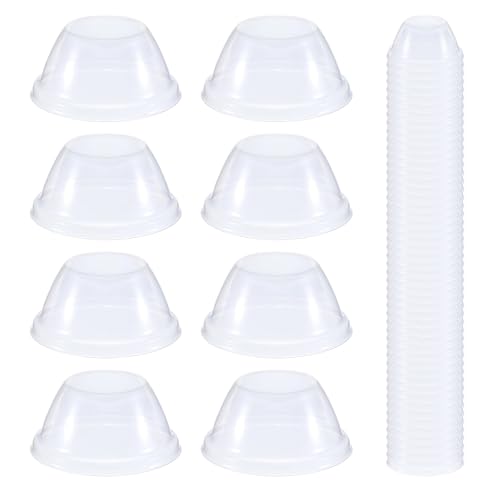
Package includes: You will receive 50 transparent plant humidity covers, sufficient quantity and suitable size to meet your daily use and replacement needs
Monitoring the Germination Progress
When you’ve planted your beet seeds, you might find yourself eagerly waiting for signs of life. Beet seeds typically germinate in 5-10 days under ideal conditions. During this waiting period, monitoring the progress can help you adjust any factors that might be hindering germination. Here’s how you can keep track of your beet seeds’ journey to sprouting:
- Daily Check-ins: Take a moment each day to inspect the soil where you planted the seeds. Look for any visible changes or emerging seedlings.
- Moisture Levels: Ensure the soil remains consistently moist, but not waterlogged. If the topsoil appears dry, a light misting can help maintain the necessary moisture.
- Temperature: Monitor the soil temperature to keep it within the optimal range of 50-85°F. Fluctuations outside this range can delay germination.
- Patience and Care: While waiting for germination, resist the urge to disturb the soil or overwater. Trust in the process and provide the ideal conditions for the seeds to sprout.
By staying attentive to these key aspects of germination progress, you can support the successful emergence of healthy beet seedlings.
Recommended Products

Function: The loose-fit lid creates a stable, humid environment that promotes fast germination.Easy to open, inspect, and reuse.Reusable seed germination tool


A Smarter Way to Germinate: This soil-free germination kit features a built-in water reservoir that maintains optimal humidity while keeping the seed surfaces clean and dry. It’s perfect for use on your countertop—neat, tidy, and space-saving.
Troubleshooting Slow Germination
If you find that your beet seeds are taking longer than expected to germinate, here are some common issues and solutions:
Improper Soil Temperature:
- Ensure your soil is consistently at the optimal germination temperature of 50-85°F (10-29°C).
Inadequate Moisture Levels:
- Check that the soil is consistently moist, but not waterlogged, to support germination.
Old or Poor Quality Seeds:
- Test seed viability before planting to ensure you’re working with viable seeds.
Insufficient Light Exposure:
- Beet seeds require some light to aid germination, so ensure they’re not buried too deep.
- Seeds planted too deeply may struggle to germinate, so aim for a depth of 1/2 inch.
Remember, patience is key when troubleshooting slow germination. By addressing these issues promptly, you can improve the chances of successful germination for your beet seeds.
Conclusion
Ensure you address common issues like soil temperature, moisture levels, seed quality, and light exposure to troubleshoot slow germination of beet seeds effectively. By maintaining optimal conditions, testing seed viability, and planting at the right depth, you can enhance germination success. Remember, patience is key when addressing these challenges promptly. Happy planting!
Frequently Asked Questions
Why are my beet seeds germinating slowly?
To troubleshoot slow germination of beet seeds, check soil temperature, moisture levels, seed quality, and light exposure. Optimal soil temperature, adequate moisture, fresh seeds, and sufficient light can improve germination speed.
How can I improve beet seed germination?
To enhance beet seed germination, maintain ideal soil temperature, ensure proper moisture levels, use high-quality seeds, and provide adequate light exposure. Testing seed viability before planting and avoiding planting seeds too deeply can also improve germination rates.
What should I do if my beet seeds are not sprouting?
If beet seeds are not sprouting, review soil temperature, moisture levels, seed quality, and light exposure. Adjust soil temperature, water appropriately, use fresh seeds, and increase light exposure to encourage sprouting. Assess seed viability and planting depth to troubleshoot further.
Why is patience important in resolving slow beet seed germination?
Patience is crucial in addressing slow beet seed germination because improvements may take time. By adjusting soil temperature, moisture levels, seed quality, and light exposure gradually and monitoring progress, patience allows for successful germination improvements.
