

Benefits of No-Dig Gardening
When it comes to no-dig gardening, there are numerous advantages that can make your gardening experience more enjoyable and successful. Here are some key benefits to consider:
- Soil Health: By not disturbing the soil structure, no-dig gardening promotes healthy soil teeming with beneficial organisms.
- Weed Suppression: The layering method in no-dig gardens helps prevent weeds from taking over, reducing the need for constant weeding.
- Moisture Retention: The dense layers in no-dig beds help retain moisture, keeping your plants hydrated for longer periods.
- Lower Maintenance: Once set up, no-dig gardens require less ongoing maintenance, saving you time and effort.
- Improved Aeration: The layers allow for natural aeration of the soil, creating a healthy environment for roots to thrive.
- Nutrient Preservation: Nutrients are retained in the soil instead of being washed away, providing a steady supply for your plants.
These benefits make no-dig gardening an attractive option for those looking to grow healthy, thriving plants with minimal effort.
Choosing the Right Carrot Varieties
When selecting carrot varieties for your no-dig garden, consider the following factors:
- Length: Choose shorter varieties for shallow-soil containers and longer types for deeper beds.
- Color: Opt for traditional orange or experiment with purple, yellow, or white varieties.
- Flavor: Research different varieties to find carrots with the taste you prefer.
- Growing season: Select early-maturing varieties for a quicker harvest or late-maturing types for extended enjoyment.
Ensure you pick carrot varieties that align with your preferences and garden conditions for a successful and flavorful harvest.
Recommended Products

🌌 Unique Cosmic Color Pattern Grow stunning purple carrots with vibrant orange-yellow starburst centers that create a galaxy-like appearance when sliced. A rare and eye-catching addition to any vegetable garden or dinner plate.

RAINBOW COLOR BLEND - This rainbow carrot (Daucus carota var. sativus) seed mix yields a stunning mix of purple, yellow, white, and orange carrots for a bright harvest that adds fun and nutrition to every meal and garden

Beautiful - Full color packet of Rainbow Mix Carrot Seed (Daucus var. 'Rainbow'). Enjoy carrots in shades of Atomic Red, Cosmic Purple, Lunar White, Solar Yellow, and Bambino, an orange baby carrot. Perfect for a children's garden. Minimum of 400 mg per packet (about 400 seeds).
Preparing the Soil for Planting Carrots
To set the stage for a successful carrot harvest in your no-dig garden, start by preparing the soil. Here are some essential steps to ensure your carrots thrive:
- Clear the Area: Remove any weeds or debris from the planting area to create a clean slate for your carrots.
- Loosen the Soil: Using a garden fork or a broadfork, gently loosen the soil to improve aeration and drainage for your carrot roots.
- Add Compost: Incorporating compost into the soil can enhance its nutrient content, providing essential nourishment for your carrot plants.
- Avoid Stepping on the Soil: To prevent soil compaction, refrain from walking on the planting area once it’s been prepared.
- Consider Raised Beds: If your no-dig garden features raised beds, ensure they are filled with a nutrient-rich soil mixture suitable for growing carrots.
- Test Soil pH: Carrots prefer slightly acidic to neutral soil, with a pH level between 6.0 and 7.0. Consider testing your soil to ensure it falls within this range.
- Maintain Moisture Levels: Carrot seeds require consistent moisture to germinate and grow successfully. Ensure the soil remains evenly moist but not waterlogged.
By taking the time to properly prepare your soil for planting carrots, you create a nurturing environment where your carrot plants can thrive.
Recommended Products

Ready-to-Use Formula: No mixing or extra steps required. Simply pour and plant - perfect for gardeners of all experience levels.


EASY SET UP: Quick assembly in minutes; No need for hammering and wood-cutting skills; Assemble as a bed box for flowers, tomato planter, indoor or outdoor vegetable garden, as or main garden bed
Planting Carrot Seeds in a No-Dig Garden
To grow healthy carrots in your no-dig garden, follow these steps for successful planting:
- Choose the right time: Plant carrot seeds in the early spring or late summer.
- Prepare the soil: Ensure the soil is loose and free from debris.
- Create furrows: Make shallow furrows with a hand tool or stick.
- Sow the seeds: Plant seeds thinly along the furrows, covering them lightly with soil.
- Water gently: Keep the soil moist but not waterlogged.
- Thin out seedlings: Once seedlings have 2-4 leaves, thin them out to avoid overcrowding.
- Mulch the area: Apply a layer of mulch to retain moisture and suppress weeds.
Data
| Data | Value |
|---|---|
| Best planting time | Early spring or late summer |
| Ideal seed depth | 1/4 inch |
| Germination time | 2-3 weeks |
Key Takeaways
- Choose the right time to plant carrot seeds.
- Ensure soil is loose and free from debris.
- Plant seeds thinly and keep the soil moist.
- Thinning out seedlings is crucial for healthy carrot growth.
- Mulch helps retain moisture and suppress weeds.
Care Tips for Growing Carrots without Digging
- Planting Depth: Carrots are typically sown shallow – about 1/4 to 1/2 inch deep.
- Thinning: Carrot seedlings need space to grow, so thin them to about 3 inches apart.
- Watering: Keep soil moist, especially during germination, but avoid over-watering.
To protect your carrots from pests and promote healthy growth:
- Companion Planting: Grow carrots alongside onions or leeks to deter pests.
- Mulching: Cover the soil with straw or grass clippings to retain moisture and prevent weeds.
Harvesting Tips:
- Gently pull up carrots when they reach the desired size, typically around 1 inch in diameter.
- Regular Harvests: Periodically harvest mature carrots to make space for developing ones.
Recommended Products
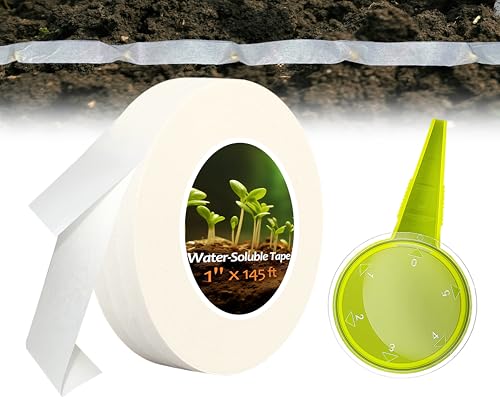
🌱 Planting Kit: Includes 1 roll of seed tape (1” x 145 ft) and a seeder tool for 5 seed sizes. This gardening tape for plants makes sowing faster, easier, and more efficient—perfect for precision planting in your garden, and holds seeds tight so they won’t fall off.

Good Combinations: you will receive 4 pieces of mini seeders and 2 pieces of transplanting tools, enough quantity and good combinations to meet your needs and replacements, and you can share some with your friends

Effortless Carrot Curls: With dimensions of 6 x 2.25 x 2.5 inches, this carrot cutter and peeler is designed to make creating carrot curls a breeze. Crafted from durable ABS with a stainless steel blade, it ensures consistent and precise results every time
Conclusion
Growing carrots in a no-dig garden is a rewarding experience that promotes soil health and reduces maintenance. By selecting the right carrot varieties, preparing the soil properly, and following key planting and care tips, you can enjoy a bountiful harvest of fresh, flavorful carrots. Remember to plant at the right time, maintain loose soil, thin out seedlings, and use mulch for moisture retention and weed suppression. With a little effort and attention to detail, you can successfully grow delicious carrots in your no-dig garden. Happy gardening!
Frequently Asked Questions
What are the benefits of no-dig gardening?
No-dig gardening promotes soil health, reduces maintenance, and retains soil structure for improved plant growth.
What factors should I consider when selecting carrot varieties for a no-dig garden?
Consider soil depth, color preferences, flavor profiles, and the ideal growing season for your region when choosing carrot varieties.
What steps are crucial for preparing the soil in a no-dig garden for a successful carrot harvest?
Clear the area, loosen the soil, add compost, prevent compaction, test soil pH, and maintain adequate moisture levels for optimal soil preparation.
How can I successfully plant carrot seeds in a no-dig garden?
Choose the right time, prepare the soil, create furrows, sow seeds thinly, water gently, thin out seedlings, and apply mulch for successful carrot seed planting.
What are some additional care tips for growing carrots in a no-dig garden?
Consider planting depth, thinning seedlings, proper watering techniques, companion planting with onions or leeks, mulching for moisture retention and weed control, and gentle harvesting practices for mature carrots.
