Close Menu
    Veggie Knowledge
    • Home
    • Growing Vegetables
      • Beets
      • Broccoli
      • Carrots
      • Cucumber
      • Green Beans
    • Tips and Advice
    • Free eBook
    • About
      • Contact
      • Privacy Policy
    Veggie Knowledge
    Home»Beets»Optimizing Beet Watering: Essential Tips for Healthy Growth
    Beets

    Optimizing Beet Watering: Essential Tips for Healthy Growth

    Lucy StoneBy Lucy StoneMarch 30, 20244 Mins Read
    Facebook Twitter Pinterest LinkedIn Tumblr WhatsApp VKontakte Email
    Share
    Facebook Twitter LinkedIn Pinterest Email

    Ever wondered why your beets aren’t thriving as you hoped? How much water do beets really need? Picture this: you diligently care for your beet plants, but they seem to be struggling. What could be missing? In this article, you’ll uncover the secrets to providing the perfect amount of water for your beets to flourish.

    Contents show
    1 Understanding Beet Water Requirements
    2 Signs of Overwatering Beets
    3 Warning Signs of Overwatering
    4 Signs of Underwatering Beets
    5 Best Practices for Watering Your Beets
    6 Key Watering Tips
    7 Conclusion
    8 Frequently Asked Questions
    8.1 How often should I water my beet plants?
    8.2 How should I water my beet plants for optimal growth?
    8.3 Is it important to have a watering schedule for beet plants?
    8.4 Should I use mulch when watering my beet plants?
    8.5 What is the best time of day to water beet plants?
    8.6 How can I prevent overwatering my beet plants?

    Are you tired of guessing how much water your beets require? Say goodbye to wilting leaves and stunted growth. By the end of this read, you’ll have the confidence to water your beets just right, ensuring a bountiful harvest. Let’s dive in and demystify the watering needs of your beloved beets.

    Understanding Beet Water Requirements

    To grow healthy beets, proper watering is crucial. Here’s what you need to know:

    • Consistent Moisture: Beets require around 1-1.5 inches of water weekly.
    • Soil Depth: Water should penetrate at least 6-8 inches deep.
    • Monitor Soil: Check moisture levels by feeling the soil. It should be damp but not waterlogged.
    • Avoid Overwatering: Too much water can lead to rot.
    Water Requirement1-1.5 inches per week
    Soil Depth6-8 inches

    Recommended Products

    XLUX Long Probe Deep Use Soil Moisture Meter, Water Monitor Indicator Sensor, Hygrometer for Outdoor Indoor Large Pot Plants, Flower, Gardening, Farming
    XLUX Long Probe Deep Use Soil Moisture Meter, Water Monitor Indicator Sensor, Hygrometer for Outdoor Indoor Large Pot Plants, Flower, Gardening, Farming

    Accurate Soil Moisture Detection: The XLUX Soil Moisture Meter can tell you if the soil deep inside your pot or garden is dry, moist or wet; whereas your eyes and fingers can only determine the moisture level of the soil surface. The probe is 5.5 inches (14 cm) longer than regular styles, allowing it to measure the soil moisture at the bottom of larger and deeper flower pots.

    MUST READ:  Safe Home Canning: How to Can Beets in a Water Bath Correctly
    VIEW LATEST PRICE

    As an affiliate, we earn on qualifying purchases.

    XLUX Soil Moisture Meter (Since 2015) - No Batteries Required, Durable 304 Stainless Steel Probe & Virgin ABS - Instant Read Hygrometer for Garden, Indoor & Outdoor Plants (Upgraded Design)
    XLUX Soil Moisture Meter (Since 2015) - No Batteries Required, Durable 304 Stainless Steel Probe & Virgin ABS - Instant Read Hygrometer for Garden, Indoor & Outdoor Plants (Upgraded Design)

    Trusted Since 2015: Become one of the many plant lovers who rely on the proven accuracy of XLUX. Established in 2015, our soil moisture meter has earned over 60,000+ verified ratings for its consistent performance. While many many newer brands come and go, we provide the long-term reliability and quality that American households have trusted for over a decade.

    VIEW LATEST PRICE

    As an affiliate, we earn on qualifying purchases.

    Antonki 2 Pack Soil Moisture Meter, Plant Water Meter for Gardening, Farming, Soil Tester Hygrometer Sensor for Indoor Outdoor House Plants, Flower, Lawn - No Battery Required
    Antonki 2 Pack Soil Moisture Meter, Plant Water Meter for Gardening, Farming, Soil Tester Hygrometer Sensor for Indoor Outdoor House Plants, Flower, Lawn - No Battery Required

    【Instant & Accurate Moisture Reading, No More Guesswork】 This plant moisture meter gives precise soil moisture readings in seconds! The responsive pointer instantly tells you if soil is dry, moist, or wet. It helps avoid overwatering & root rot, letting you water plants like a pro with confidence

    VIEW LATEST PRICE

    As an affiliate, we earn on qualifying purchases.

    Signs of Overwatering Beets

    Signs to watch for:

    • Yellowing leaves
    • Wilting foliage
    • Stunted growth

    Addressing overwatering:

    • Adjust watering frequency to prevent issues.
    • Check moisture levels before adding more water.

    Preventative measures:

    • Allow soil to dry out before watering again.
    • Improve soil drainage if overwatering persists.

    Warning Signs of Overwatering

    • Yellow leaves are a common indicator.
    • Decreased growth despite regular watering could be a sign.
    • Yellow, wilting leaves are key indicators.
    • Stagnant water pooling around the plants indicates excess watering.
    Key PointsData/Statistics
    Optimal water range1-1.5 inches weekly
    Proper soil penetration depth6-8 inches

    Signs of Underwatering Beets

    • Yellowing leaves indicate that your beets might not be getting enough water.
    • Slow growth despite regular watering can be a sign of underwatering.
    • Dry, crusty soil that appears cracked or hardened on the surface could mean your beets need more water.
    • Wilting foliage is another symptom of underwatering in beets.
    • Shriveling roots might also be a sign of insufficient water uptake in your beet plants.
    MUST READ:  What Do Beet Plants Look Like? Harvesting and Utilization Tips Revealed

    Key Takeaway: Proper watering is crucial for the health and growth of your beets. Keep a close eye on the moisture levels to ensure your plants are well-hydrated.

    Best Practices for Watering Your Beets

    To ensure your beets thrive, proper watering is key. Here are some best practices to keep in mind:

    • Monitor regularly: Check the soil moisture by feeling the top inch – if it’s dry, it’s time to water.
    • Deep watering: Ensure the water reaches the roots by applying enough water to penetrate at least six inches into the soil.
    • Consistent schedule: Water your beets regularly, aiming for about 1 to 1.5 inches of water per week.
    • Mulch: Apply a layer of mulch around your beets to help retain moisture and regulate soil temperatures.
    • Morning watering: Water your beets in the morning to reduce evaporation and allow foliage to dry during the day.
    • Avoid overwatering: Too much water can lead to rot and other issues, so water only when needed.

    Recommended Products

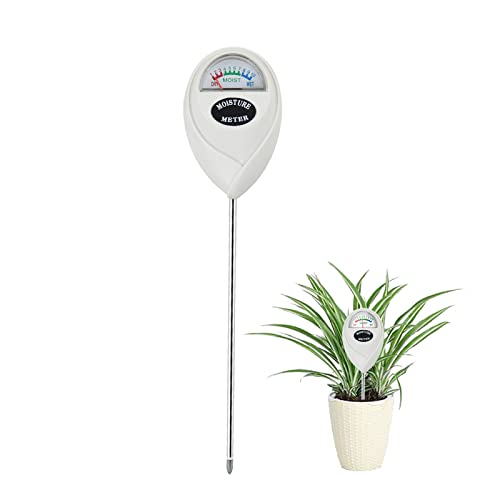
    Hathdia Soil Moisture Meter,Plant Hygrometer Moisture Sensor Plant Water Monitor for Potted Plants,Garden,Farm, Lawn(No Battery Needed)
    Hathdia Soil Moisture Meter,Plant Hygrometer Moisture Sensor Plant Water Monitor for Potted Plants,Garden,Farm, Lawn(No Battery Needed)

    Soil Moisture Meter: This single probe soil moisture meter is specially designed for testing the moisture level in the soil, helps you decide whether the plants need water or not, helps to keep plants alive.

    VIEW LATEST PRICE

    As an affiliate, we earn on qualifying purchases.

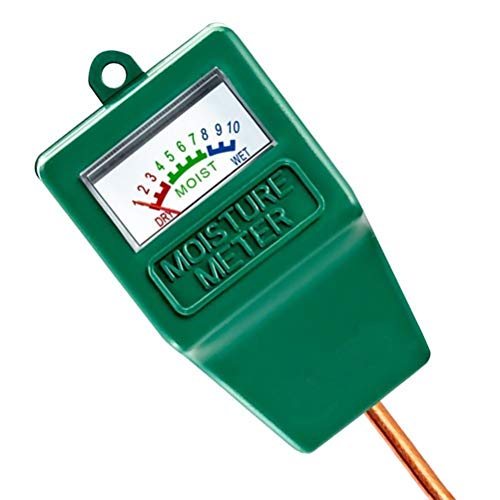
    Dr.meter Soil Moisture Meter, Plant Water Meter for Garden Lawn Farm Indoor & Outdoor Use, Soil Tester Hygrometer Sensor for House Plants, Gardening Gifts, No Battery Needed
    Dr.meter Soil Moisture Meter, Plant Water Meter for Garden Lawn Farm Indoor & Outdoor Use, Soil Tester Hygrometer Sensor for House Plants, Gardening Gifts, No Battery Needed

    Compact & Portable: Have you been sticking your finger in the soil hoping to feel when it's time to water? Why not eliminate the guesswork and keep your hands clean when you use the Dr.meter Soil Moisture Sensor Meter! Know the right time to water your garden, farm, lawn and houseplants, anytime.

    VIEW LATEST PRICE

    As an affiliate, we earn on qualifying purchases.

    UNIWA Soil Moisture Meter, Plant Moisture Meter, Soil Hygrometer Sensor for Gardening, Farming, Indoor, and Outdoor Plants, Plant Water Monitor Gardening Gifts, No Batteries Required, 2-Pack
    UNIWA Soil Moisture Meter, Plant Moisture Meter, Soil Hygrometer Sensor for Gardening, Farming, Indoor, and Outdoor Plants, Plant Water Monitor Gardening Gifts, No Batteries Required, 2-Pack

    【ACCURATE & WIDELY 】APPLICABLE: the premium double-needle detection technology enhances the speed and accuracy of all readings.You can easily carry this portable soil pH tester around for indoor or outdoor use, so you know when to water your plants

    MUST READ:  Unlocking the Magnesium Power of Beets: Benefits Explained
    VIEW LATEST PRICE

    As an affiliate, we earn on qualifying purchases.

    Key Watering Tips

    Conclusion

    You’ve now learned the essential watering practices for ensuring your beet plants flourish. By monitoring soil moisture, deep watering, sticking to a consistent schedule, using mulch, watering in the morning, and avoiding overwatering, you’re on the right track to promoting healthy growth. Remember, providing the right amount of water is key to the success of your beet plants. Keep these tips in mind as you care for your beets and watch them thrive!

    Frequently Asked Questions

    How often should I water my beet plants?

    Water beet plants regularly by consistently checking the soil moisture. Ensure the soil is moist but not waterlogged by watering every 7-10 days, depending on weather conditions.

    How should I water my beet plants for optimal growth?

    Water deeply to reach the roots effectively. Allow water to penetrate at least 6-8 inches into the soil to ensure proper hydration and encourage strong root development.

    Is it important to have a watering schedule for beet plants?

    Maintain a consistent watering schedule to provide adequate moisture consistently. Irregular watering can stress beet plants, affecting growth and quality.

    Should I use mulch when watering my beet plants?

    Utilize mulch around beet plants to retain moisture in the soil. Mulch helps prevent water evaporation, ensuring the roots have access to sufficient moisture.

    What is the best time of day to water beet plants?

    Water beet plants in the morning to reduce evaporation. Morning watering allows plants to absorb moisture effectively before temperatures rise.

    How can I prevent overwatering my beet plants?

    Avoid overwatering to prevent root rot and other issues. Check soil moisture levels before watering and ensure proper drainage to maintain plant health.

    Share. Facebook Twitter Pinterest LinkedIn Tumblr WhatsApp Email
    Previous ArticleUltimate Guide: Planning Your Farm-to-Table Green Bean Garden
    Next Article How to Speed Up Broccoli Seed Germination Time: Effective Techniques Revealed
    lucy stone
    Lucy Stone

      Hi, I'm Lucy! As a passionate gardener and writer for Veggie Knowledge, I've dedicated my life to exploring the secrets of successful vegetable growing. My love for gardening blossomed in my grandmother's backyard, where I learned how much joy a single plant can bring. I aim to share that joy through practical tips and insightful advice, helping you cultivate your own thriving garden

      Related Posts

      How to Tell When Beets Are Ready to Harvest: Expert Tips

      July 8, 2024

      Mastering Sugar Beet Planting: Essential Tips for Success

      July 8, 2024

      How Long to Water Bath Pickled Beets Safely: Expert Advice

      July 8, 2024

      Discover the Nutritional Power of Beets: Recipes Included

      July 8, 2024
      Leave A Reply Cancel Reply

      Affiliate Disclosure

      As an Amazon Associate, I earn from qualifying purchases.

      Recommended Reading

      How to Prevent Crab Grass Growing in Your Garden (Fast Fix)

      Growing Vegetables

      How Long Do Carrots Take to Grow? 2026 Updated Growing Guide

      Growing Vegetables

      How Does Your Garden Grow? (A Review of the Famous Song)

      Growing Vegetables

      How to Grow High Intensity Lettuce: Professional Finish at Home

      Growing Vegetables

      How Fast Do Bradford Pear Trees Grow? Diagnostic Guide

      Growing Vegetables

      How to Grow Mint in Water (The Ultimate Beginner’s Guide)

      Growing Vegetables

      How to Grow Bean Sprouts at Home: Step-by-Step for Beginners

      Growing Vegetables

      How Long Does It Take Basil to Grow From Seed? Quick Guide

      Growing Vegetables
      How VeggieKnowledge.com Got Started

      We started this website to share our love of vegetables with the world, and to help people discover the many benefits of growing, cooking, and eating fresh and delicious vegetables.

      Got questions or comments? You can reach us at [email protected].

      Featured Articles

      10 Common Gardening Mistakes (and How to Avoid Them)

      How Much Sun Do Vegetables Really Need?

      Beginner’s Guide to Growing Vegetables: What to Know Before You Start

      Watering 101: How to Keep Your Plants Happy and Healthy

      The Best Vegetables for First-Time Gardeners

      Categories
      • Beets
      • Broccoli
      • Carrots
      • Cucumber
      • Green Beans
      • Tips and Advice
      Veggie Knowledge
      • Home
      • About
      • Contact
      • Privacy Policy
      • Affiliate Disclosure
      • Free eBook
      © 2026 Veggie Knowledge

      Type above and press Enter to search. Press Esc to cancel.