Close Menu
    Veggie Knowledge
    • Home
    • Growing Vegetables
      • Beets
      • Broccoli
      • Carrots
      • Cucumber
      • Green Beans
    • Tips and Advice
    • Free eBook
    • About
      • Contact
      • Privacy Policy
    Veggie Knowledge
    Home»Green Beans»Engage Students: Fun Ways to Harvest Green Beans Together
    Green Beans

    Engage Students: Fun Ways to Harvest Green Beans Together

    Lucy StoneBy Lucy StoneMay 22, 20246 Mins Read
    Facebook Twitter Pinterest LinkedIn Tumblr WhatsApp VKontakte Email
    Share
    Facebook Twitter LinkedIn Pinterest Email

    Ever wondered how to get your students excited about learning while nurturing their green thumbs? Picture this: a classroom buzzing with curiosity and enthusiasm as young minds dig into the fascinating world of growing green beans. In this article, you’ll discover simple yet effective ways to engage your students in the process of cultivating green beans, turning a mundane lesson into an interactive and memorable experience.

    Contents show
    1 Planning the Green Bean Project
    2 Choosing the Right Supplies
    3 Planting Green Bean Seeds
    4 Watering and Growth
    5 Nutrient Boost and Support
    6 Nurturing the Plants
    7 Harvesting and Celebrating Success
    8 Conclusion
    9 Frequently Asked Questions
    9.1 1. When are green beans ready to be harvested?
    9.2 2. How should green beans be harvested?
    9.3 3. Why is student involvement in the harvesting process important?
    9.4 4. How can a successful harvest be celebrated?

    Imagine the joy on your students’ faces as they witness the magic of planting a seed, nurturing it with care, and eventually harvesting their very own green beans. This hands-on approach not only fosters a deeper understanding of nature but also instills a sense of responsibility and pride in their accomplishments. By involving students in the journey of growing green beans, you’re not just teaching a lesson – you’re creating a lifelong connection to the environment and fostering a love for learning through hands-on experience.

    Planning the Green Bean Project

    When planning the green bean project, it is essential to consider a few key factors. Here are some important steps to ensure success:

    • Choose a Suitable Variety: Select green bean varieties that are easy to grow in a classroom setting.
    • Prepare the Growing Space: Ensure the area has adequate light, water, and ventilation for the green beans to thrive.
    • Gather Necessary Supplies: Collect potting soil, containers, seeds, watering cans, and any other materials needed.
    • Create a Schedule: Establish a planting, watering, and harvesting schedule to keep track of progress.

    By following these steps, you can effectively set the groundwork for a successful green bean project in your classroom.

    Recommended Products

    50 Green Bean Seeds for Planting - Provider - Bush Bean - Heirloom | Non-GMO | USA Grown
    50 Green Bean Seeds for Planting - Provider - Bush Bean - Heirloom | Non-GMO | USA Grown

    Dependable bush snap bean, Provider green bean (Phaseolus vulgaris); open-pollinated heirloom (released 1966); valued for cooler spring weather performance vs many beans; tender pods for fresh eating, freezing, and canning

    VIEW LATEST PRICE

    As an affiliate, we earn on qualifying purchases.

    Contender Bush Bean Seeds for Planting - Survival Garden Seeds (1 Pack)
    Contender Bush Bean Seeds for Planting - Survival Garden Seeds (1 Pack)

    FAST HARVEST PERFORMANCE - Contender bush beans (Phaseolus vulgaris) are known for early maturity, producing tender green beans quickly so you can harvest sooner, ideal for short growing seasons and quick turnaround gardens

    MUST READ:  Boost Community Engagement in Green Bean Gardening: Key Sustainable Strategies Revealed
    VIEW LATEST PRICE

    As an affiliate, we earn on qualifying purchases.

    SVI 30 Contender Bush Green Bean Seeds (Phaseolus vulgaris) – Stringless Green Bean Seed Packets, Snap Bush Beans – Heirloom Vegetable Seeds for Outdoors, Vegetable Garden, Containers
    SVI 30 Contender Bush Green Bean Seeds (Phaseolus vulgaris) – Stringless Green Bean Seed Packets, Snap Bush Beans – Heirloom Vegetable Seeds for Outdoors, Vegetable Garden, Containers

    Early Maturing Harvest: Green bean seeds for planting mature fast in just 50–65 days, heirloom seeds produce tender green bean pods ahead of most bush beans, ideal vegetable plants & seeds for short seasons and outdoor home garden.

    VIEW LATEST PRICE

    As an affiliate, we earn on qualifying purchases.

    Choosing the Right Supplies

    When it comes to engaging students in the green bean growing process, picking the correct supplies is key. Here are essential tips to ensure you have everything you need:

    • Selecting Containers: Opt for pots or containers with good drainage to prevent waterlogging.
    • Choosing Potting Soil: Look for well-draining soil with nutrients to support plant growth.
    • Getting Seeds: Ensure you have quality green bean seeds suited for your region.
    • Watering Tools: Have a watering can or sprayer to keep the soil moist but not waterlogged.
    • Sunlight: Place containers in an area that receives adequate sunlight for plant growth.

    Having the right tools and supplies at your disposal will make the green bean project enjoyable and successful for you and your students.

    Recommended Products

    Sow Right Seeds - Contender Bush Bean Seed for Planting Green Beans Garden
    Sow Right Seeds - Contender Bush Bean Seed for Planting Green Beans Garden

    Beautiful - Large premium seed packet of Contender Bush Bean (Phaseolus vulgaris) seeds. Minimum of 16.5g per packet (about 30 seeds). Stringless bush bean that matures early and produces high yields. Adaptable, performing well in short, cool growing seasons or in hot weather. Beans are 5-8" long and retain their flavor when frozen or canned.

    VIEW LATEST PRICE

    As an affiliate, we earn on qualifying purchases.

    Kentucky Wonder Pole Bean Seeds for Planting (1 Pack)
    Kentucky Wonder Pole Bean Seeds for Planting (1 Pack)

    CLIMBING POLE BEANS SEEDS - Kentucky Wonder pole bean (Phaseolus vulgaris) seeds produce vigorous vines that climb trellises, fences, and poles, maximizing vertical space and increasing production in compact garden areas

    VIEW LATEST PRICE

    As an affiliate, we earn on qualifying purchases.

    Provider Bush Bean Seeds for Planting - Survival Garden Seeds (1 Pack)
    Provider Bush Bean Seeds for Planting - Survival Garden Seeds (1 Pack)

    HEAVY PRODUCING PLANTS - Provider bush bean seeds (Phaseolus vulgaris) grow vigorous bushes loaded with tender green pods, delivering large, reliable harvests for home gardens, raised beds, and rows

    VIEW LATEST PRICE

    As an affiliate, we earn on qualifying purchases.

    Planting Green Bean Seeds

    To start the exciting process of Planting Green Bean Seeds, follow these simple steps:

    • Prepare the Soil: Ensure the soil is well-draining with plenty of nutrients.
    • Choose the Right Container: Opt for containers with good drainage to prevent waterlogging.
    • Planting Depth: Plant seeds about 1 to 1.5 inches deep in the soil.
    • Space Them Out: Allow enough space between seeds to ensure healthy growth.
    • Watering: Keep the soil consistently moist but not waterlogged to support germination.
    MUST READ:  Identifying Over-Fertilization Signs in Green Beans: Soil pH Imbalance Unveiled

    Enjoy involving your students in planting green bean seeds, sparking their curiosity and fostering a love for gardening!


    Watering and Growth

    Once you’ve planted the green bean seeds, it’s important to maintain proper watering and provide adequate sunlight. Follow these tips to nurture your green beans:

    • Watering Frequency: Check the soil moisture regularly and water when the top inch feels dry.
    • Sunlight Exposure: Place the containers in a sunny spot to ensure at least 6-8 hours of sunlight per day.
    • Watch for Growth: Green bean plants typically sprout in about 7-10 days, depending on the variety.

    Engage your students in observing the growth progress, encouraging them to ask questions and learn through hands-on experience.


    Nutrient Boost and Support

    As your green bean plants grow, consider providing nutrient support and additional structural support. Here are some tips:

    • Fertilization: Consider adding a balanced fertilizer to promote healthy growth and abundant bean production.
    • Staking: If growing bush beans, staking may not be necessary. For pole beans, provide trellises or stakes for vertical support.

    By providing the right care and attention at each stage, you’ll witness the rewarding journey of green bean growth alongside your students.

    Nurturing the Plants

    To ensure healthy growth, it’s essential to provide proper care to your young green bean plants. Here’s how you can nurture them effectively:

    • Watering: Keep the soil consistently moist but not waterlogged. Aim to water in the morning to allow leaves to dry during the day.
    • Sunlight: Place your green bean plants in a spot that receives at least 6-8 hours of sunlight daily for optimal growth.
    • Support: As the plants grow, consider installing trellises or other supports to help them climb and flourish.

    Maintaining a watchful eye on your green bean plants will help you catch any issues early and ensure a successful growing experience.

    Harvesting and Celebrating Success

    After all the hard work of growing green beans with your students, it’s time to harvest and celebrate your success. Here are some tips to make this final part of the process enjoyable and rewarding:

    • Timing is Key: Green beans are typically ready to harvest 45-60 days after planting.
    • Check Daily: Harvest green beans regularly to ensure they are at the peak of freshness and flavor.
    • Harvesting Technique: Gently hold the stem with one hand and the bean with the other, then snap or cut it off.
    • Involve Students: Encourage students to actively participate in the harvesting process, making it a fun and memorable experience.
    • Celebrate Together: Plan a celebration to enjoy the fruits of your labor, whether it’s a simple tasting session or a potluck featuring dishes made with your freshly harvested green beans.
    MUST READ:  How to Get Green Beans to Climb: Pest & Disease Solutions
    Timing for Harvesting45-60 days after planting

    Recommended Products

    Norpro Deluxe Bean Frencher With Clamp French/Green/Slicer/Cutter Heavy Duty, Manual, Aluminum, Silver
    Norpro Deluxe Bean Frencher With Clamp French/Green/Slicer/Cutter Heavy Duty, Manual, Aluminum, Silver

    Cuts string beans into slender slices with turn of crank

    VIEW LATEST PRICE

    As an affiliate, we earn on qualifying purchases.

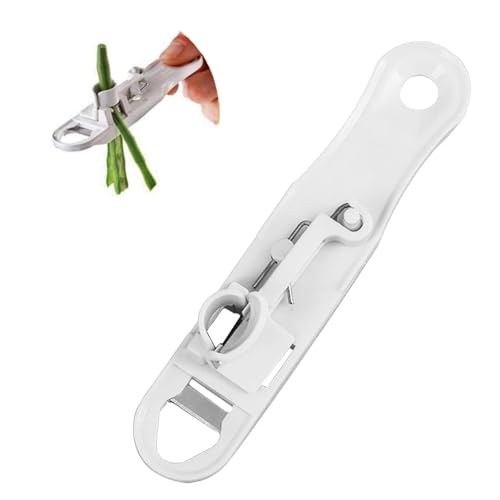
    French Bean Peeler Green French Bean Slicer String Vegetable Cleaner Green Haricot Vert Remover Cutter String Peeler Cutter Vegetable Slicer
    French Bean Peeler Green French Bean Slicer String Vegetable Cleaner Green Haricot Vert Remover Cutter String Peeler Cutter Vegetable Slicer

    French Cut Green Beans Slicer — Effortlessly transform fresh green beans into perfect French-style cuts for salads, stir-fries, and gourmet dishes.

    VIEW LATEST PRICE

    As an affiliate, we earn on qualifying purchases.

    2Pcs Multifunction Bean Slicer, Stainless Steel Snow Bean Green Bean French Bean Cutter Long Bean Shredder Stringer Kitchen Tool
    2Pcs Multifunction Bean Slicer, Stainless Steel Snow Bean Green Bean French Bean Cutter Long Bean Shredder Stringer Kitchen Tool

    Made of food‑grade stainless steel and ABS, the bean cutter is wear‑resistant, corrosion‑resistant, anti-rust, non-toxic and of sharpness.

    VIEW LATEST PRICE

    As an affiliate, we earn on qualifying purchases.

    Conclusion

    You’ve now learned about the exciting harvesting phase of growing green beans with students. Remember, timing is key, with green beans usually ripe for picking in just 45-60 days. Regular checks ensure the best taste and freshness. Involving students in the harvesting process adds joy and creates lasting memories. Don’t forget to celebrate your successful harvest with fun activities like tasting sessions or potluck gatherings featuring delicious green bean dishes. Enjoy the fruits of your labor and savor the satisfaction of growing green beans together with your students!

    Frequently Asked Questions

    1. When are green beans ready to be harvested?

    Green beans are typically ready for harvest 45-60 days after planting.

    2. How should green beans be harvested?

    Use a gentle snapping or cutting technique to harvest green beans for optimal freshness and flavor.

    3. Why is student involvement in the harvesting process important?

    Involving students in harvesting green beans creates a fun and memorable experience that fosters a connection to the growing process.

    4. How can a successful harvest be celebrated?

    Celebrate a successful green bean harvest with activities like tasting sessions or potluck gatherings featuring dishes made with the freshly harvested beans.

    Share. Facebook Twitter Pinterest LinkedIn Tumblr WhatsApp Email
    Previous ArticleHow Broccoli is Harvested: Key Techniques and Timing Explained
    Next Article Planting Cantaloupe and Cucumbers Together: A Complete Guide for a Bountiful Harvest
    lucy stone
    Lucy Stone

      Hi, I'm Lucy! As a passionate gardener and writer for Veggie Knowledge, I've dedicated my life to exploring the secrets of successful vegetable growing. My love for gardening blossomed in my grandmother's backyard, where I learned how much joy a single plant can bring. I aim to share that joy through practical tips and insightful advice, helping you cultivate your own thriving garden

      Related Posts

      Top Green Bean Varieties for Thriving Container Gardens

      July 11, 2024

      Expert Tips for Collecting and Storing Green Bean Seeds like a Pro

      July 11, 2024

      Identifying and Treating Bacterial Blight in Green Beans: A Comprehensive Guide

      July 11, 2024

      Effective Methods to Preserve Green Beans: From Pickling to Dehydrating

      July 11, 2024
      Leave A Reply Cancel Reply

      Affiliate Disclosure

      As an Amazon Associate, I earn from qualifying purchases.

      Recommended Reading

      Watering Your Lettuce: How Much is Needed for Optimal Growth?

      Growing Vegetables

      How to Grow Garlic in Central Texas: Regional Success Secrets

      Growing Vegetables

      How Tall Do Pickling Cucumber Plants Grow? Essential Information

      Growing Vegetables

      How to Grow a Cutting Garden: Complete Beginner’s Checklist

      Growing Vegetables

      How Do Brussels Sprouts Grow? Everything You Need to Know

      Growing Vegetables

      How to Grow Pumpkin From Fresh Seeds: Simple Steps to Success

      Growing Vegetables

      How to Grow Garden Sage: Step-by-Step for Beginners

      Growing Vegetables

      How Tall Do Basil Plants Grow? Everything You Need to Know

      Growing Vegetables
      How VeggieKnowledge.com Got Started

      We started this website to share our love of vegetables with the world, and to help people discover the many benefits of growing, cooking, and eating fresh and delicious vegetables.

      Got questions or comments? You can reach us at [email protected].

      Featured Articles

      10 Common Gardening Mistakes (and How to Avoid Them)

      How Much Sun Do Vegetables Really Need?

      Beginner’s Guide to Growing Vegetables: What to Know Before You Start

      Watering 101: How to Keep Your Plants Happy and Healthy

      The Best Vegetables for First-Time Gardeners

      Categories
      • Beets
      • Broccoli
      • Carrots
      • Cucumber
      • Green Beans
      • Tips and Advice
      Veggie Knowledge
      • Home
      • About
      • Contact
      • Privacy Policy
      • Affiliate Disclosure
      • Free eBook
      © 2026 Veggie Knowledge

      Type above and press Enter to search. Press Esc to cancel.