

Ever wondered if you can plant cantaloupe and cucumbers side by side in your garden? Picture this: you’re planning your garden layout, eager to maximize space and yield. But can these two popular veggies really thrive together? In this article, we’ll explore the possibilities and benefits of planting cantaloupe and cucumbers in close quarters.
Imagine the convenience of harvesting fresh cantaloupes and cucumbers from the same patch of soil. Not only does it save space, but it also promotes efficient pollination and pest control. Curious about the secrets to a successful garden duo? We’ve got you covered! Stay tuned to discover the tips and tricks for cultivating a fruitful partnership between cantaloupes and cucumbers.
Benefits of Companion Planting
When planting cantaloupe and cucumbers together, you unlock a range of benefits that can enhance the growth and health of your garden. Here are some key advantages of this companion planting method:
- Maximized Space: By growing cantaloupes and cucumbers side by side, you efficiently utilize your garden space. Both plants don’t compete for the same nutrients, allowing them to flourish together.
- Enhanced Pollination: These companion plants attract pollinators such as bees which can help increase the fruit set and overall yield of both crops.
- Natural Pest Control: Cantaloupe plants can act as a natural repellent for pests that commonly affect cucumber plants. This companion method minimizes the need for chemical pest control.
- Improved Soil Health: Growing cantaloupes and cucumbers together can benefit the soil by reducing the risk of nutrient depletion. The plants’ roots work symbiotically to maintain soil structure and nutrient balance.
- Crop Rotation: When rotating crops between cantaloupes and cucumbers, you can help prevent soil-borne diseases that may affect a single type of plant.
- Aesthetically Pleasing: Beyond the practical benefits, planting these companion crops together can create a visually appealing garden bed with a mix of colors and textures.
Strategically pairing cantaloupes and cucumbers in your garden can lead to a harmonious growing environment that benefits both plants.
Recommended Products


The Straight Eight Cucumber receives its name by being best harvested when it reaches 8 inches long

Heirloom, early-maturing favorite: Heirloom favorite boston cucumber seeds mature in 55-60 days, producing sweet, crunchy 2-6 inch picklers on vigorous vines with high yields for your vegetable garden and home garden seed collection.
Advantages of Planting Cantaloupe and Cucumbers Together
Planting cantaloupe and cucumbers together in your garden offers numerous benefits. Here’s why it’s a great idea:
- Maximizing Space: Growing them together allows you to make the most of limited garden space.
- Enhanced Pollination: The flowers of both plants attract bees, promoting better pollination and increasing fruit yield.
- Natural Pest Control: Cantaloupe plants act as a natural repellent against pests that commonly affect cucumbers, helping to protect your crops.
- Improved Soil Health: These plants have different nutrient needs, which can help maintain soil fertility.
- Aesthetic Appeal: Combining these crops creates an visually pleasing garden with contrasting textures and colors.
By reaping these advantages, you can create a harmonious and productive garden environment by planting cantaloupe and cucumbers together.
Best Practices for Growing Cantaloupe and Cucumbers in the Same Garden
When planting cantaloupe and cucumbers together in your garden, there are some best practices to keep in mind for a successful and thriving harvest.
- Spacing: Ensure you provide enough space between plants to allow for proper growth. Cantaloupe vines can spread quite far, so give them room to roam.
- Sunlight: Both cantaloupe and cucumbers thrive in full sunlight, so choose a sunny location in your garden for planting.
- Support: Consider using trellises or supports for cucumbers to prevent them from sprawling on the ground and taking up space.
- Watering: Consistent watering is essential, especially during hot, dry periods to keep the plants healthy and hydrated.
- Mulching: Use mulch around the base of the plants to help retain moisture and reduce weed growth.
- Fertilization: Cantaloupe and cucumbers have different nutrient needs, so be mindful of fertilizing each plant according to its requirements.
By following these best practices, you can optimize the growth and yield of your cantaloupe and cucumber plants when planting them together in your garden.
Recommended Products

Support for Tall Plant: This trellis kit provides 7.87” support for your tomatoes, peppers and more

Provides lightweight yet strong support for tomatoes, beans, peas, and other climbing plants and flowers with a large planter that holds approximately 10 gallons of media while the tower expands to over 4 feet

【Package included】:Crafted from robust hollow steel, this garden stakes features a fade-resistant green plastic coating, offering reliable protection against wind, rain, and rust. This Trellis for Climbing Plants Outdoor comes complete with everything you need to get started: 17pcs metal stakes, 8pcs T shape connect pipe, 2 A-shaped connectors, and a 0.9x1.8meter bird net.
Tips for Maximizing Space and Yield
When planting cantaloupe and cucumbers together, maximizing space and ensuring a bountiful yield are key objectives. Here are some tips to help you achieve optimal results:
- Vertical Growing: Train cucumbers to grow vertically on trellises or cages to save space and prevent them from encroaching on the cantaloupe vines.
- Companion Planting: Consider interplanting cantaloupe and cucumbers with complementary crops to make the most of limited space. For example, cantaloupe can be paired with radishes or beans to repel pests or enrich the soil.
- Successive Planting: Stagger planting times to ensure a continuous harvest throughout the growing season. This method not only maximizes space but also prolongs the availability of fresh cantaloupe and cucumbers.
- Pruning: Regularly prune excess foliage to promote air circulation and sunlight penetration, leading to healthier plants and increased fruit production.
- Soil Health: Prioritize soil quality by amending it with organic matter like compost to boost nutrient levels and enhance moisture retention. Healthy soil is essential for maximizing the growth and yield of your crops.
- Overhead Support: Install overhead supports for cucumbers to encourage upward growth and prevent them from sprawling across the garden. This method also aids in proper vine maintenance and fruit development.
| Tip | Description |
|---|---|
| Vertical Growing | Train cucumbers to grow vertically on trellises or cages. |
| Companion Planting | Interplant cantaloupe and cucumbers with complementary crops. |
| Successive Planting | Stagger planting times for a continuous harvest. |
| Pruning | Regularly prune excess foliage to promote plant health. |
| Soil Health | Enhance soil quality with organic matter like compost. |
| Overhead Support | Install overhead supports for cucumbers to aid in growth. |
Recommended Products

✅ Heavy-Duty Elastic Build (3mm Dia): Crafted with 3mm ultra-durable elastic thread inside a tough plastic cover. Unlike brittle nets, it expands with plant growth, preventing stem cutting while supporting heavy fruits like watermelons and tomatoes.
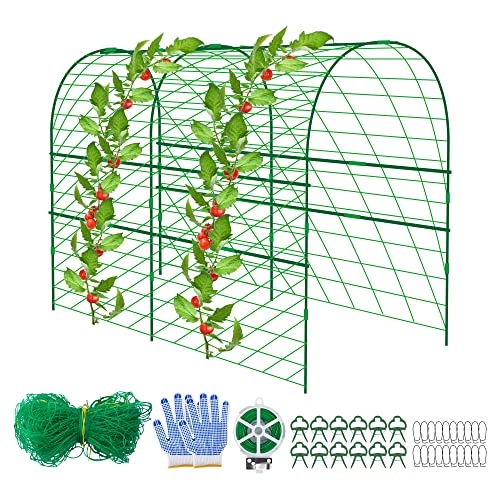
Durable Material: Made of steel tube with plastic layer, the garden vegetable trellis support for cucumbers not easy to rust or break. The surface coating is weatherproof to ensure the durability of the arch. The unique open arching design provides ample space for vegetables and flowers.

【Material】:Crafted from robust hollow steel, this garden stakes features a fade-resistant green plastic coating, offering reliable protection against wind, rain, and rust. This Trellis for Climbing Plants Outdoor comes complete with everything you need to get started These gardening supplies are perfect for your gardening life!
Conclusion
You now have a wealth of tips to cultivate cantaloupe and cucumbers together successfully in your garden. By implementing strategies like vertical growing, companion planting, successive planting, pruning, soil health maintenance, and overhead support, you can optimize your harvest and enjoy a bountiful supply of fresh produce. Remember, maximizing space and yield is key, so make use of these techniques to ensure a thriving garden throughout the growing season. Happy gardening!
Frequently Asked Questions
Can cantaloupe and cucumbers be grown together in a garden?
Yes, cantaloupe and cucumbers can thrive together in a garden. By following spacing, sunlight, watering, and support guidelines, you can have a successful harvest.
How can I maximize space and yield when growing cantaloupe and cucumbers?
To maximize space and yield, consider vertical growing methods, companion planting, successive planting, pruning, soil health maintenance, and providing overhead support.
What are the benefits of training cucumbers vertically?
Training cucumbers vertically saves space, improves air circulation, reduces disease risks, and makes harvesting easier.
Why is companion planting important when growing cantaloupe and cucumbers?
Companion planting can help repel pests, attract beneficial insects, improve soil health, and enhance the growth and flavor of both crops.
How can I optimize soil quality for cantaloupe and cucumbers?
By using organic matter, compost, and proper fertilization, you can improve soil structure, fertility, and water retention for healthier plants.
Do cucumbers need overhead support?
Providing overhead support for cucumbers ensures they grow straight, reduces fruit rot, minimizes pest damage, and improves air circulation.
What is the significance of staggering planting times for cantaloupe and cucumbers?
Staggering planting times can extend the harvest season, prevent a glut of produce, and provide a continuous supply of fresh cantaloupe and cucumbers.
