

Ever wondered why your green bean plants aren’t blooming as much as you’d like? Picture this: You eagerly tend to your garden, but the lack of green bean flowers leaves you feeling a bit disappointed. What if there was a way to boost your green bean flower production and reap a bountiful harvest?
In this article, you’ll discover simple yet effective strategies to enhance your green bean flower yield. By implementing these techniques, you’ll not only witness more blooms but also enjoy a plentiful supply of fresh green beans. Get ready to elevate your gardening game and savor the rewards of increased green bean flower production.
Understanding Green Bean Flowering
When it comes to green bean plants, flowering plays a crucial role in bean production. Here’s what you need to know:
- Green bean plants produce flowers that eventually develop into green beans that we harvest.
- Each flower on the green bean plant has the potential to become a bean if pollinated.
- Pollination is essential for fruit development. Without it, flowers may not turn into beans.
- Factors like temperature, soil, and sunlight can influence flowering and fruit set on green bean plants.
By understanding the green bean flowering process, you can take steps to optimize conditions for increased bean production.
Factors Affecting Green Bean Flower Production
When it comes to green bean flower production, there are several key factors that can influence the process. Understanding these factors is essential for optimizing your green bean plant’s flowering and, ultimately, enhancing bean production in your garden.
- Temperature: Green beans thrive in moderate temperatures. Optimal temperature for flowering is around 70-80°F during the day and 60-70°F at night.
- Soil Quality: Ensure your soil is well-draining, fertile, and rich in organic matter. Healthy soil provides essential nutrients for robust flower production.
- Sunlight: Green beans need ample sunlight for flowering. Plant them in a location where they receive at least 6-8 hours of sunlight each day for optimal flower development.
- Watering: Consistent and adequate watering is crucial for green bean flower production. Keep the soil evenly moist, especially during flowering, to support healthy flower formation.
- Pollination: Bees and other pollinators play a vital role in green bean flower pollination. Attract pollinators to your garden by planting flowers that they love, such as lavender, sunflowers, and cosmos.
By addressing these key factors affecting green bean flower production, you can create an environment that promotes abundant flowering and sets the stage for a bountiful green bean harvest in your garden.
Optimal Growing Conditions for Green Bean Flowers
When it comes to increasing green bean flower production, ensuring optimal growing conditions is paramount. Here are some key factors to consider:
- Temperature: Green beans thrive in moderate temperatures around 70-80°F.
- Soil Quality: Use well-draining fertile soil rich in organic matter for best results.
- Sunlight: Provide full sunlight exposure for at least 6-8 hours daily.
- Watering: Maintain consistent watering to keep the soil evenly moist but not waterlogged.
- Pollination: Attract pollinators like bees by planting companion flowers nearby.
By paying attention to these factors, you can enhance green bean plant flowering, setting the stage for a bumper bean harvest.
Recommended Products
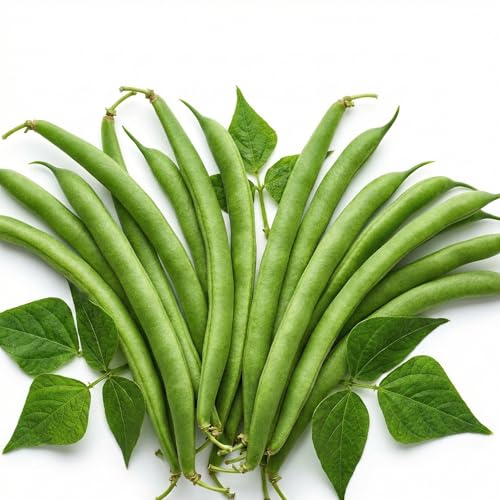
Dependable bush snap bean, Provider green bean (Phaseolus vulgaris); open-pollinated heirloom (released 1966); valued for cooler spring weather performance vs many beans; tender pods for fresh eating, freezing, and canning
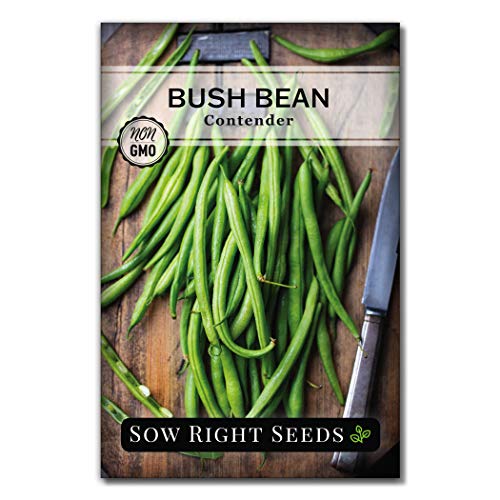
Beautiful - Large premium seed packet of Contender Bush Bean (Phaseolus vulgaris) seeds. Minimum of 16.5g per packet (about 30 seeds). Stringless bush bean that matures early and produces high yields. Adaptable, performing well in short, cool growing seasons or in hot weather. Beans are 5-8" long and retain their flavor when frozen or canned.

Package Includes: 5 sets of seed sprouter tray and 20 pieces planting paper. Each nursery tray measures 8.8×5.7 inch, the seedling hole size is 0.15 inch and the planting paper size is 7×10.5 inch. (Seeds are not included)
Techniques to Increase Green Bean Flower Yield
To increase green bean flower production, you can implement the following techniques:
- Proper Pruning: Trim excessive foliage to promote air circulation around the plants.
- Mulching: Apply a layer of organic mulch around the base of the plants to retain moisture and maintain even soil temperature.
- Fertilizing: Use a balanced fertilizer to nourish the plants and encourage flower production.
- Companion Planting: Grow plants like marigolds and lavender near green beans to attract pollinators.
- Hand Pollination: If pollinators are scarce, gently transfer pollen between flowers using a small brush.
- Regular Inspection: Monitor the plants for pests and diseases that could hinder flower production.
- Optimal Watering: Ensure consistent watering to keep the soil moist without waterlogging.
- Timely Harvesting: Harvest green beans promptly to encourage the plant to produce more flowers.
| Optimization Tips | Data |
|---|---|
| Temperatures: Optimal range for green bean growth | 70-80°F |
| Sunlight: Number of hours green beans need daily | 6-8 hours |
| Watering: Frequency required for maintaining soil moisture | Regularly |
| Soil Quality: Importance of well-draining fertile soil | Essential |
Recommended Products

Precise Pollination Efficiency: This vegetable pollinator tool enables accurate hand pollination for fruits, vegetables, and flowers, increasing crop yields by reducing reliance on unpredictable natural pollinators
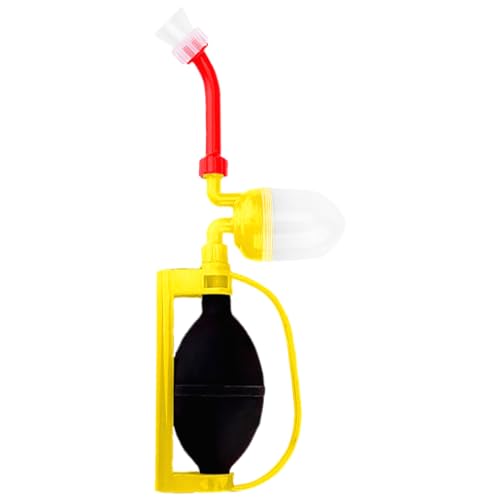
Handheld Plant Pollinator: Designed as a manual pollination device, it improves efficient pollen transfer, supporting healthier fruiting and flowering plant development with ease of use
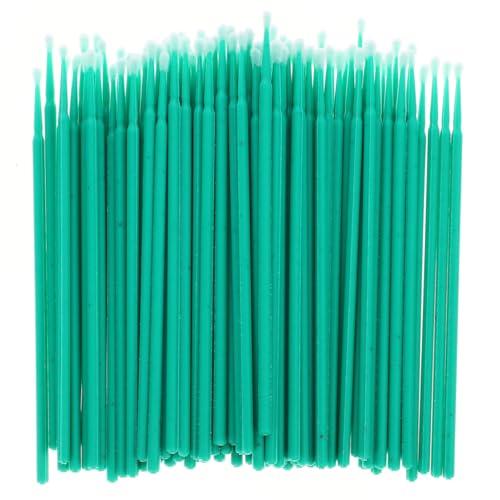
Precise Pollination Control: This manual pollination pen helps you place pollen where it is needed, giving you a more controlled way to support fruit, vegetable, and flower pollination than relying on chance alone
Harvesting and Maintenance Tips
Taking care of your green bean plants is crucial for ensuring a bountiful harvest. Here are some key tips to help you increase green bean flower production:
- Regular Harvesting: Pick green beans often to encourage more flowers to form. Aim to harvest every 2-3 days to keep the plant productive.
- Deadheading: Remove spent flowers to promote new bloom production. Pinch off faded flowers to signal the plant to focus on creating new buds instead of setting seeds.
- Pest Control: Keep an eye out for pests like aphids or beetles that can damage your green bean plants. Consider using organic methods like neem oil or introducing beneficial insects to keep pest populations in check.
- Weed Management: Ensure the area around your green bean plants is free of weeds that can compete for nutrients and water. Regularly weeding will help your plants thrive.
- Support Structures: Provide adequate support for your green bean plants using stakes, trellises, or cages. Proper support prevents the plants from sprawling and exposes more flowers to sunlight for better production.
- Fertilization: Feed your green bean plants with a balanced fertilizer to promote healthy growth and abundant flower production. Choose a fertilizer with a higher phosphorus content to encourage blooming.
- Mulching: Apply a layer of organic mulch around the base of your plants to conserve moisture, suppress weeds, and maintain a more consistent soil temperature. Mulching also helps prevent soil erosion around your green bean plants.
Remember, consistent care and attention to your green bean plants will pay off with a higher yield of delicious green beans.
Recommended Products

Plants Trellis Indoor Set: The package includes 2 packs of garden trellises and 50 plant ties, the size of the plant stakes are about 12.6 inches * 5.7 inches / 32 cm * 14.5 cm, and the length of the plant ties is 5.9 inches / 15 cm

[DURABLE AND STURDY] Crafted from robust hollow steel, this garden stakes features a fade-resistant green plastic coating, offering reliable protection against wind, rain, and rust. With anti-slip ridges, it's easy to tie on plant ties, aiding in plant climbing. the pointed bottom design of tomato stakes enables effortless soil insertion, ensuring a secure anchoring effect with minimal effort

UNIQUE STYLING DESIGN: Fit perfectly with the plants in the pot, the branch shape fits better with the plant itself, allowing PERSZEN monstera plant support suitable for almost all types of potted plants without standing out. The green color of plant trellis indoor makes it easier to blend in with the plants, providing support for your plants without affecting the aesthetics
Conclusion
You’ve learned valuable techniques to boost green bean flower production, from pruning to hand pollination. Remember the importance of regular care, like deadheading for new blooms and organic pest control. Supporting your plants with proper structures, balanced fertilization, and mulching for moisture retention will lead to a bountiful harvest of delicious green beans. Keep up the good work in nurturing your green bean plants for a successful yield!
Frequently Asked Questions
1. How can pruning benefit green bean plants?
Pruning helps increase air circulation, sunlight exposure, and nutrient distribution within the plant, leading to healthier vines and higher green bean flower yield.
2. What is the significance of mulching in green bean cultivation?
Mulching aids in retaining soil moisture, regulating soil temperature, suppressing weed growth, and reducing soil erosion, promoting optimal growth conditions for green bean plants.
3. How does companion planting assist in improving green bean flower yield?
Companion planting deters pests, attracts beneficial insects, enhances pollination, and improves soil health, resulting in increased green bean productivity and overall plant health.
4. Why is hand pollination recommended for green bean plants?
Hand pollination ensures efficient fertilization, especially in the absence of pollinators, resulting in a higher percentage of green bean flowers setting pods and ultimately increasing yield.
5. What organic methods can be used for pest control in green bean cultivation?
Organic pest control methods include introducing beneficial insects, using neem oil or insecticidal soap, planting trap crops, and handpicking pests, minimizing chemical impact on plant health and yield.
6. Why is regular watering essential for green bean plants?
Regular watering ensures proper hydration, nutrient absorption, and optimal growth of green bean plants, preventing stress, flower drop, and reduced yield due to drought conditions.
7. When is the best time to harvest green beans?
Harvest green beans when they reach the desired size, snap easily, and the seeds are still small and tender, typically around 2-3 weeks after flowering, ensuring optimum texture and flavor.
