

Ever wondered how to keep your garden thriving year after year without exhausting the soil? What if I told you there’s a simple solution that not only boosts plant health but also increases your harvest? Picture this: you’re planting your favorite veggies, including those delicious green beans, and reaping the rewards of a well-thought-out crop rotation plan.
Importance of Crop Rotation in Gardening
Crop rotation is a crucial practice for maintaining soil health and maximizing crop yield. Here’s why it’s important:
- Preventing Soil Depletion: Different plants have different nutrient needs, so rotating crops helps avoid exhausting the soil.
- Controlling Pests and Diseases: Rotating crops can reduce pest infestations and disease incidence, as pests and diseases that overwinter in the soil can be disrupted.
- Enhancing Soil Structure: Various crops have different root structures, aiding in improving soil health and structure.
- Boosting Nutrient Retention: By alternating between plants with varying nutrient requirements, you can enhance nutrient uptake and reduce the need for fertilizers.
- Breaking Disease Cycles: Rotating crops helps in breaking disease cycles, preventing the buildup of pathogens in the soil over time.
- Maximizing Yields: Implementing a well-planned crop rotation can lead to increased harvest yields and healthier plants in the long term.
- Growing Green Beans: When considering a crop rotation plan, the seasonal growth of green beans makes them an ideal candidate for light feeders to follow heavy feeders in the rotation.
By understanding the significance of crop rotation in gardening, you pave the way for sustainable gardening practices and bountiful harvests.
Understanding Green Beans in Crop Rotation
If you’re considering green beans for your crop rotation plan, you’re making a smart choice. They play a crucial role in maintaining soil health and enhancing overall crop yield. Green beans are nitrogen fixers that help replenish soil nutrients, making them an ideal candidate for the rotation cycle.
When you grow green beans as part of your rotation plan, they break the disease cycle by disrupting the habitat of pests and diseases that target specific plants. This naturally reduces the need for chemical pesticides and protects your crops organically.
Additionally, green beans contribute to soil structure by adding organic matter and improving drainage. Their deep roots also help loosen compacted soil, facilitating better water and nutrient penetration for other plants in the rotation.
By including green beans in your crop rotation, you’re not just diversifying your harvest but also promoting a healthier and more sustainable gardening environment.
Steps to Develop a Crop Rotation Plan
To create an effective crop rotation plan that includes green beans, follow these steps:
- Understand Your Garden: Evaluate your garden size, soil type, and the vegetables you want to grow.
- Identify Plant Families: Group vegetables into families like brassicas, legumes, and nightshades to help plan your rotation.
- Map Out Your Garden: Divide your garden into sections based on sun exposure and water availability.
- Plan your Rotation: Rotate crops each year to prevent soil depletion and pest build-up. For example, follow a legume with a heavy feeder like corn.
- Use Cover Crops: Consider planting cover crops like clover or vetch during fallow periods to enrich the soil.
| Key Point | Value |
|---|---|
| Ideal Rotation Length | 3-4 years |
| Recommended Green Bean Frequency | Every 2-3 years |
| Benefits of Cover Crops | Improves soil fertility and structure |
- Adjust as Needed: Be flexible with your plan based on harvest results and soil health feedback.
- Keep Records: Maintain a log of crops planted and their locations to track your rotation cycle.
- Seek Expert Advice: Consult gardening resources or local experts for tailored guidance.
Including Green Beans in Your Crop Rotation Plan
When including green beans in your crop rotation plan, it’s essential to consider their benefits to the overall health of your garden. Here are some key steps to effectively incorporate green beans into your rotation:
- Benefits of Green Beans:
- Nitrogen Fixation: Green beans are legumes that add nitrogen to the soil, benefitting subsequent crops.
- Pest Reduction: They can help reduce pest populations in your garden due to their unique root exudates.
- Placement in Rotation:
- Every 2-3 Years: It’s recommended to plant green beans in the same spot every 2-3 years to maximize their benefits.
- Rotation Length: Aim for an ideal rotation length of 3-4 years for your overall crop rotation plan.
- Companion Planting:
- Consider planting green beans alongside complementary crops that can help each other thrive.
- Examples: Tomatoes, cucumbers, and corn can be beneficial companions for green beans.
- Monitoring and Adjustments:
- Keep an eye on the health of your green beans and make adjustments to your rotation plan as needed.
- Records: Maintain detailed records of your crop rotation to track the success of including green beans.
- Expert Advice:
- Consult with local agricultural experts for personalized guidance on incorporating green beans into your specific crop rotation plan.
- Tailored Insights: Experts can provide insights on optimizing soil fertility and pest management in relation to green beans.
By carefully integrating green beans into your crop rotation plan, you can improve soil health, enhance crop yields, and maintain a sustainable garden ecosystem.
Recommended Products

Inoculant attaches to the roots to produce Free Nitrogen for the Plant

🧑🌾 Jade Bush Bean Seeds – A classic bush-type snap bean that grows compactly without the need for trellising. Plants produce straight, deep green pods with a clean snap and tender texture, making them a dependable choice for fresh picking and kitchen use throughout the summer season.
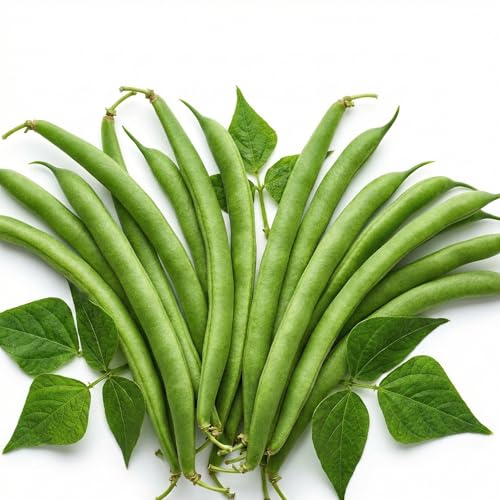
Dependable bush snap bean, Provider green bean (Phaseolus vulgaris); open-pollinated heirloom (released 1966); valued for cooler spring weather performance vs many beans; tender pods for fresh eating, freezing, and canning
Maximizing the Benefits of Crop Rotation with Green Beans
Green beans are an excellent addition to your crop rotation plan because they fix nitrogen in the soil, enhancing fertility for future crops. By planting green beans every 2-3 years within a 3-4 year rotation cycle, you can maximize their benefits.
Here are some tips to make the most of crop rotation with green beans:
- Enhance Soil Health: Rotation with green beans reduces the likelihood of soil-borne diseases and pests, promoting healthier plant growth.
- Promote Biodiversity: Pair green beans with complementary plants like tomatoes, cucumbers, and corn to create a balanced ecosystem that wards off pests naturally.
- Manage Nutrient Levels: Keep detailed records of your rotation plan to ensure you’re balancing soil fertility levels effectively over time.
- Seek Expert Advice: Consult with local agricultural experts to tailor your crop rotation plan to your specific soil conditions and pest management needs.
Achieving a successful crop rotation with green beans requires attention to detail and a long-term view of soil health maintenance.
Conclusion
You now have a solid understanding of how incorporating green beans into your crop rotation plan can significantly benefit your soil fertility. Remember to plant them every 2-3 years within a 3-4 year rotation cycle to optimize their nitrogen-fixing properties. Enhance soil health, promote biodiversity through companion planting, manage nutrient levels diligently, and seek expert advice for tailored insights on soil conditions and pest management. Attention to detail and a long-term perspective are key to a successful crop rotation plan with green beans. Happy planting!
Frequently Asked Questions
How often should green beans be planted in a crop rotation plan?
Green beans should be planted every 2-3 years within a 3-4 year rotation cycle to maximize their nitrogen-fixing properties.
How can green beans enhance soil fertility?
Green beans enhance soil fertility by fixing nitrogen, which is crucial for plant growth and overall soil health.
What are some tips for incorporating green beans into a crop rotation plan?
Tips include promoting biodiversity by companion planting with tomatoes and cucumbers, managing nutrient levels through detailed record-keeping, and seeking expert advice for tailored insights on soil conditions and pest management.
