

Ever wondered why some green bean seeds sprout easily while others struggle to grow? Picture this: you excitedly plant your green bean seeds, only to find that only a few have germinated. Frustrating, right? In this article, you’ll discover simple yet effective strategies to boost your green bean seeds’ germination rate.
Understanding Green Bean Seeds Germination
When it comes to green bean seeds germination, understanding the process can help improve your success rate. Here’s what you need to know:
- Germination: This is the process where a seed sprouts and begins to grow. For green beans, it involves the seed absorbing water, swelling, and eventually cracking open to let the new plant emerge.
- Conditions: The key factors for successful germination include proper moisture, warmth, and oxygen. Ensure the soil is consistently moist but not waterlogged, maintain a warm environment, and allow for good air circulation.
- Timing: Green bean seeds typically germinate within 7 to 14 days when conditions are favorable. Be patient and provide the necessary care during this crucial period.
- Depth: Plant your green bean seeds at the correct depth. A general rule of thumb is to plant them about an inch deep in the soil. This helps protect the seeds and ensures they have access to the resources they need.
- Varieties: Keep in mind that different green bean varieties may have slightly different germination requirements. Always check the specific guidelines for the type of green beans you are planting.
- Troubleshooting: If you’re facing issues with germination, consider factors like temperature fluctuations, inadequate moisture, poor seed quality, or pests. Addressing these issues promptly can improve your success rate.
Selecting High-Quality Green Bean Seeds
When it comes to Selecting High-Quality Green Bean Seeds, there are a few key factors to consider. Here are some tips to help you choose the best seeds for optimal germination success:
- Look for reputable suppliers: Ensure you purchase your green bean seeds from trusted sources to guarantee quality and viability.
- Check the seed packaging: Examine the package for expiration dates and storage recommendations to ensure you’re getting fresh and viable seeds.
- Opt for certified seeds: Choosing certified organic or non-GMO seeds can give you more assurance about the quality and authenticity of the seeds you’re planting.
Remember, starting with healthy and viable seeds is the first step towards achieving a high germination rate for your green beans.
Recommended Products
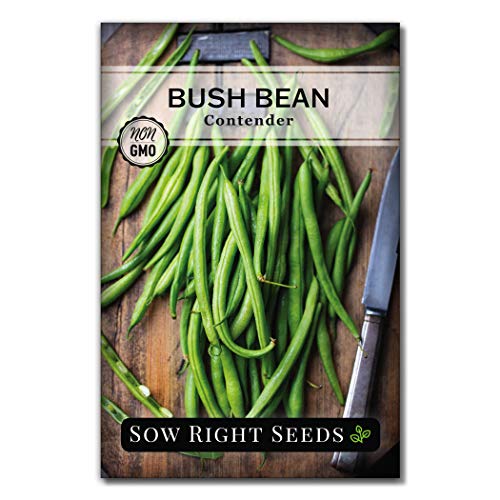
Beautiful - Large premium seed packet of Contender Bush Bean (Phaseolus vulgaris) seeds. Minimum of 16.5g per packet (about 30 seeds). Stringless bush bean that matures early and produces high yields. Adaptable, performing well in short, cool growing seasons or in hot weather. Beans are 5-8" long and retain their flavor when frozen or canned.
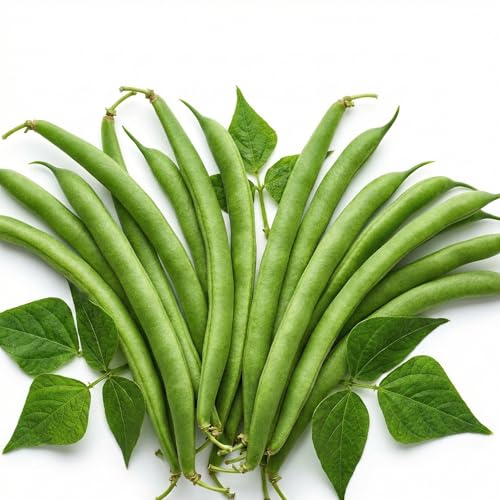
Dependable bush snap bean, Provider green bean (Phaseolus vulgaris); open-pollinated heirloom (released 1966); valued for cooler spring weather performance vs many beans; tender pods for fresh eating, freezing, and canning

High Germination Rate: Heirloom seeds sprout in 5–10 days. Ideal greenbeans for USDA zones 3–11, gardens, raised beds, and containers. Blue lake bush bean seeds have been known in the canning industry for years because of its reliability, huge yields and disease resistance.
Providing Optimal Growing Conditions
To achieve a high germination rate for your green bean seeds, it’s crucial to create optimal growing conditions. Here are some key tips:
- Soil Quality: Ensure your soil is well-draining, loose, and rich in organic matter.
- Sunlight: Pick a spot with full sun exposure for at least 6-8 hours daily.
- Watering: Keep the soil consistently moist but not waterlogged.
- Temperature: Aim for soil temperatures around 70-80°F for best results.
Consider these factors when providing the right environment for your green bean seeds.
Recommended Products
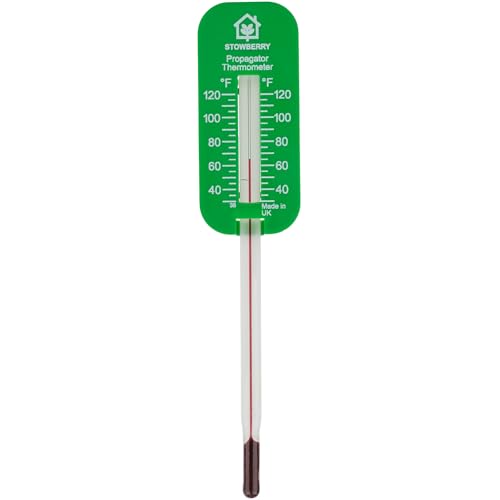
ACCURATE SOIL TEMPERATURE READINGS – Ensure the perfect growing environment for seeds and plants with this greenhouse soil thermometer, designed to give reliable and precise temperature measurements.

Easy-to-read green, yellow, and red tick marks for easy monitoring

DURABLE CONSTRUCTION: Solid 20 inch (508 mm) 0.2 inch (5mm) diameter stem; reinforced welded bolt between dial and stem for long-lasting operation and conditions; high quality 304 stainless steel
Preparing Green Bean Seeds for Planting
To ensure optimal germination rates for your green bean seeds, it’s essential to properly prepare them before planting. Here are some key steps to follow:
Seed Selection:
- Choose high-quality green bean seeds from reputable suppliers.
- Check expiration dates to ensure seed viability.
- Opt for certified organic or non-GMO seeds for the best results.
Seed Treatment:
- Consider soaking seeds overnight to soften the seed coat and speed up germination.
- You can also pre-germinate seeds by placing them between damp paper towels until they sprout.
Planting Depth and Spacing:
- Plant green bean seeds about 1 to 1.5 inches deep in loose, well-drained soil.
- Space seeds 2 to 4 inches apart in rows to allow for proper growth.
Temperature and Moisture:
- Aim for soil temperatures around 70-80°F for optimal seed germination.
- Ensure consistent soil moisture by watering regularly but avoid overwatering.
- Provide green bean seeds with full sun exposure to promote healthy growth.
- Protect newly planted seeds from birds or pests by covering them with a light mulch.
Remember, proper preparation of green bean seeds is the foundation for a successful germination process. By following these steps, you can increase the likelihood of a high germination rate and enjoy a bountiful harvest of fresh green beans.
Monitoring and Supporting Germination
- Consistent monitoring: Regularly check the moisture level of the soil every day.
- Nurturing the seeds: Ensure the soil remains moist but not overly saturated.
- Providing warmth: Maintain a soil temperature between 70-80°F for optimal germination.
- Patience is key: Remember, germination can take 7-14 days.
- Protection from pests: Keep a watchful eye for any signs of pests and take necessary action.
- Proper watering: Water the seeds gently to not disrupt their delicate growth.
| Data | Numbers |
|---|---|
| Optimal Soil Temperature | 70-80°F |
| Germination Time Range | 7-14 days |
Conclusion
Ensuring optimal conditions for your green bean seeds is key to achieving a high germination rate. By carefully monitoring soil moisture, maintaining the right temperature, and protecting your seeds from pests, you set the stage for a successful germination process. Remember to be patient during the 7-14 day period and water gently to support delicate growth. With these steps in place, you’re on your way to a thriving green bean harvest. Happy gardening!
Frequently Asked Questions
How often should I monitor soil moisture during the germination process?
Monitor soil moisture daily by gently touching the soil. It should feel damp but not soggy. Adjust watering as needed to maintain proper moisture levels.
What is the ideal soil temperature for green bean seed germination?
Maintain a soil temperature between 70-80°F (21-27°C) for optimal germination. Consider using a heating mat if necessary to regulate temperature.
How long does the germination process usually take for green bean seeds?
Green bean seeds typically germinate within 7-14 days. Be patient and continue to provide consistent care during this period.
How can I protect green bean seeds from pests during germination?
Use organic pest control methods like neem oil or companion planting to deter pests from damaging the seeds during germination.
How should I water green bean seeds to promote healthy growth?
Water green bean seeds gently to avoid disrupting their delicate growth. Use a watering can with a fine rose attachment to provide a soft, consistent flow of water.
