

Ever wondered why your cucumber plant isn’t thriving as expected? How often should you water it to ensure it flourishes? Picture this: you’re diligently caring for your cucumber plant, but it’s not reaching its full potential. The key might lie in your watering routine.
In this article, you’ll uncover the secrets to watering your cucumber plant just right. By understanding the signs of overwatering or underwatering, you can nurture your plant to its green, crunchy best. Ready to transform your cucumber plant care and yield delicious results? Let’s dive in and discover the watering schedule that will have your cucumber plant thanking you with a bountiful harvest.
Signs of Overwatering a Cucumber Plant
Overwatering your cucumber plant can be detrimental to its health. Here are some signs to watch out for:
- Yellowing leaves: the leaves may turn yellow or show signs of mold growth.
- Wilting: despite constant watering, your plant might start to wilt.
- Root rot: the roots may appear brown or mushy.
Remember to adjust your watering routine based on these indicators to keep your cucumber plant thriving.
Signs of Underwatering a Cucumber Plant
Sometimes cucumber plants can show signs of stress if they’re not getting enough water. Here are some indicators to watch out for:
- Wilting: If your plant looks droopy and weak, it might be lacking water.
- Dry Soil: Check the soil regularly. If it’s dry to the touch, your plant needs watering.
- Slow Growth: Cucumber plants need consistent water to grow properly. Stunted growth could indicate underwatering.
- Yellowing Leaves: Leaves turning yellow and crispy could be a sign of dehydration.
- Leaf Curling: The leaves curling inwards or upwards suggest that your plant is not getting sufficient water.
To prevent underwatering, inspect your plant regularly and adjust your watering schedule as needed.
Factors Affecting Watering Frequency for Cucumber Plants
When deciding how often to water your cucumber plants, several factors come into play. Understanding these factors can help you tailor your watering schedule for optimal growth and health of your plants.
- Climate: Hotter and drier conditions may require more frequent watering.
- Soil Type: Well-draining soil retains moisture better, impacting watering needs.
- Plant Size: Larger plants generally need more water to support their growth.
- Container vs. Ground: Container plants dry out faster and may need more frequent watering.
- Stage of Growth: Seedlings require more frequent watering than established plants.
To determine the ideal watering frequency for your cucumber plants, consider these factors and adjust your watering schedule accordingly.
Recommended Products

Trusted Since 2015: Become one of the many plant lovers who rely on the proven accuracy of XLUX. Established in 2015, our soil moisture meter has earned over 60,000+ verified ratings for its consistent performance. While many many newer brands come and go, we provide the long-term reliability and quality that American households have trusted for over a decade.

Accurate Soil Moisture Detection: The XLUX Soil Moisture Meter can tell you if the soil deep inside your pot or garden is dry, moist or wet; whereas your eyes and fingers can only determine the moisture level of the soil surface. The probe is 5.5 inches (14 cm) longer than regular styles, allowing it to measure the soil moisture at the bottom of larger and deeper flower pots.
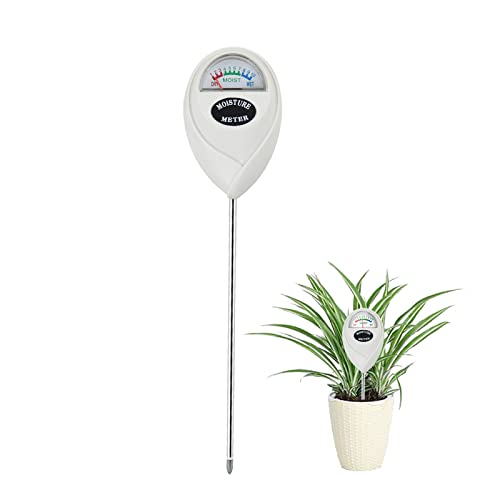
【SAVE YOUR PLANTS】: Over watering can cause problems with your plants or even kill them. This soil moisture meter helps you know the soil is dry, moist or wet.No more over watering!
Best Practices for Watering Cucumber Plants
To ensure optimal growth and health for your cucumber plants, here are some best practices to guide you:
- Morning watering: It’s best to water your cucumber plants in the morning. This allows the water to nourish the plants throughout the day and reduces the risk of disease from moisture lingering overnight.
- Deep watering: When you water, make sure to deeply saturate the soil around the plants. This encourages the development of deep roots that can better withstand dry periods.
- Avoid overhead watering: Direct the water to the soil at the base of the plants rather than watering from above. This helps prevent foliage diseases and ensures the roots receive the water they need.
- Use a drip irrigation system: Consider installing a drip irrigation system for a more efficient and targeted way to water your cucumber plants. This method delivers water directly to the roots, reducing water waste.
- Monitor soil moisture: Check the soil moisture regularly by inserting your finger into the soil. If it feels dry up to a couple of inches below the surface, it’s time to water. However, avoid overwatering as this can lead to root rot.
Keep these best practices in mind as you care for your cucumber plants, ensuring they receive the right amount of water at the right time.
Establishing a Watering Schedule for Your Cucumber Plant
When setting up a watering schedule for your cucumber plant, consider the plant’s needs and the environmental conditions. Here are key factors to help you establish a suitable routine:
- Soil Type: Check if your soil is well-draining to prevent waterlogging.
- Climate: Warmer climates may require more frequent watering.
- Plant Age: Young plants need more water to establish roots.
Here’s a general guideline to get you started:
- First Week: Water every 2 days to help seedlings settle.
- 2-3 Weeks After Planting: Transition to watering every 3-4 days.
- Mid-Season: Increase frequency to every 2-3 days during hot periods.
- Late Season: Reduce watering as fruits mature.
Remember to adapt this schedule based on specific conditions and plant responses. Regularly check the soil moisture to adjust accordingly and ensure your cucumber plants thrive.
Recommended Products

✔️Accurate - A helpful tool of water meter for indoor plants which senses the moisture in the soil around plants. No more guess if the plant needs more or less water
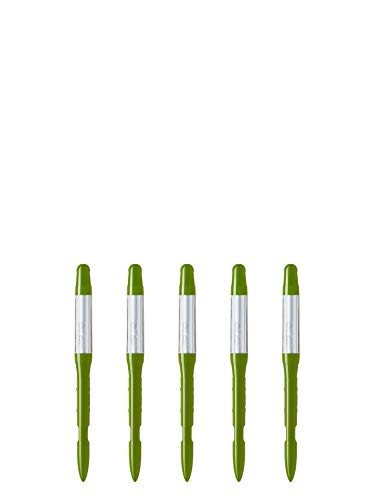
Dimensions: 0.4 x 0.3 x 4.7 inches (small) - Intended for pot sizes of 2, 2.5, and 3 - Ideal for small succulents

Accurate Soil Moisture Detection: The XLUX Soil Moisture Meter can tell you if the soil deep inside your pot or garden is dry, moist or wet; whereas your eyes and fingers can only determine the moisture level of the soil surface. The probe is 5.5 inches (14 cm) longer than regular styles, allowing it to measure the soil moisture at the bottom of larger and deeper flower pots.
Conclusion
Remember, establishing a watering routine that suits your cucumber plants’ specific requirements is crucial for their growth and overall well-being. By considering factors like soil type, climate conditions, and plant maturity, you can ensure that your plants receive the right amount of water at the right times. As your cucumber plants grow, adjust the watering frequency accordingly to support their development. Regularly check the soil moisture levels and be ready to modify your watering schedule as needed. With a thoughtful approach to watering, you’ll set your cucumber plants up for success and enjoy a bountiful harvest. Happy gardening!
Frequently Asked Questions
How important is it to establish a watering schedule for cucumber plants?
Establishing a watering schedule is crucial for cucumber plants to ensure they receive the right amount of water tailored to their needs, promoting optimal growth and fruit production.
What factors should be considered when creating a watering schedule for cucumbers?
Factors such as soil type, climate, and plant age should be taken into account when determining the appropriate watering frequency for cucumber plants.
Can you provide a general guideline for watering frequency based on the growth stage of cucumber plants?
Watering every 2 days in the first week, transitioning to every 3-4 days after 2-3 weeks, adjusting during hot periods, and reducing as fruits mature is recommended for cucumber plants at different growth stages.
Why is it necessary to monitor soil moisture regularly when watering cucumber plants?
Regular monitoring of soil moisture is crucial to ensure that cucumber plants receive adequate water without being overwatered, helping to prevent issues like root rot and nutrient deficiencies.
How important is it to adapt the watering schedule for cucumber plants as needed?
Adapting the watering schedule based on plant conditions and environmental factors is essential to prevent under or overwatering, ensuring the optimal growth and health of cucumber plants throughout their lifecycle.
