

Ever wondered if you can transplant cucumbers without breaking a sweat? Picture this: You’ve nurtured your cucumber seedlings with care, but now it’s time to move them. How do you ensure a successful transplant without any hiccups?
Understanding Cucumber Transplanting
Transplanting cucumber seedlings is a crucial step in their growth journey. Ensuring a smooth transition for your plants is key to their overall health and productivity.
- Timing: Wait until cucumber seedlings have at least two sets of true leaves before transplanting.
- Preparation: Before transplanting, water the seedlings to ensure the soil is moist.
- Transplanting: Gently remove each seedling from its container and plant it in the soil. Make sure to space them properly to avoid crowding.
- Watering: After transplanting, water the cucumber seedlings thoroughly to help them establish in their new environment.
Keep these tips in mind to successfully transplant your cucumber seedlings and set them up for a thriving growth journey.
Best Time to Transplant Cucumbers
Transplanting cucumbers is a crucial step in their growth journey. To ensure the best results, it’s important to pick the optimal time for transplanting. Here are some key pointers to keep in mind:
- The best time to transplant cucumbers is typically when they have 2-3 true leaves and the risk of frost has passed.
- Aim to transplant in the early morning or late afternoon to reduce stress on the seedlings.
- If you’re transplanting indoors, ensure they are exposed to sufficient light before moving them outdoors.
- Outdoor transplants should be done when the soil temperature is consistently above 60°F.
Remember, timing plays a significant role in the success of transplanting cucumbers. By choosing the right time, you provide your seedlings with the best possible start for healthy growth.
Preparing for the Transplant
Transplanting cucumber seedlings is a crucial step in their journey to full maturity. To ensure a successful transplant, follow these important steps:
- Harden Off Your Seedlings: A week before transplanting, gradually expose your cucumber seedlings to outdoor conditions. Start with a few hours of sunlight and then increase the time daily. This process helps acclimate the seedlings to the outdoor environment.
- Prepare the Soil: Choose a sunny location with well-draining soil for your cucumber plants. Incorporate organic matter like compost into the soil to provide essential nutrients.
- Watering Routine: Keep your seedlings well-watered in the days leading up to transplanting. Proper hydration is key to reducing transplant shock.
- Timing is Key: Transplant your cucumber seedlings after the last frost date in your area. Ensure the soil temperature remains above 60°F for optimal growth.
- Spacing: Plant your cucumber seedlings about 12-24 inches apart in rows that are around 5-6 feet apart. Providing adequate spacing ensures good air circulation and helps prevent diseases.
Remember, careful preparation before transplanting your cucumber seedlings sets the stage for healthy growth and a bountiful harvest.
Recommended Products
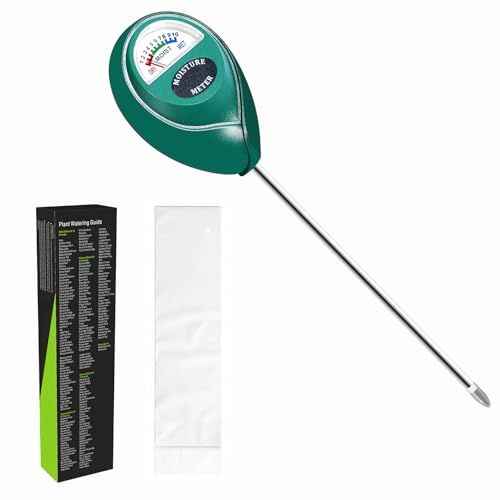
Trusted Since 2015: Become one of the many plant lovers who rely on the proven accuracy of XLUX. Established in 2015, our soil moisture meter has earned over 60,000+ verified ratings for its consistent performance. While many many newer brands come and go, we provide the long-term reliability and quality that American households have trusted for over a decade.

PRECISE SOIL TEMPERATURE READINGS: Measures soil temperatures from 20 degrees F to 180 degrees F (0 degrees C to 80 degrees C) with a large, easy-to-read analog dial face - no batteries or digital screens needed for reliable results every time
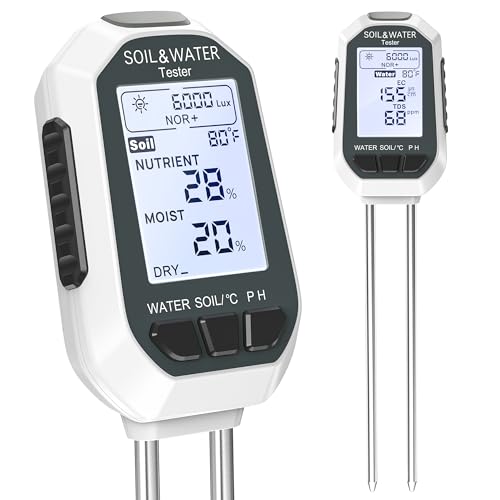
【7-in-1 Features】This is a 7-in-1 multi-function soil tester. Our soil tester quickly measures soil moisture, pH, temperature and light intensity, and its fertility function helps you take better care of your plants. With this device you can measure the soil moisture, pH, temperature and light intensity for your plants and with the EC and TDS functions you will know when it is time to water the soil.
Transplanting Process Step-by-Step
When transplanting cucumber seedlings, it’s crucial to follow a systematic approach to ensure their successful growth and development. Here is a step-by-step guide to help you through the process:
- Preparation: Prepare the soil beforehand by adding organic matter to provide essential nutrients for your cucumbers.
- Hardening Off: Before transplanting, harden off the seedlings by gradually exposing them to outdoor conditions to prevent shock.
- Timing: Wait until after the last frost date in your area to transplant the seedlings to ensure they won’t be harmed by low temperatures.
- Spacing: Space your cucumber plants adequately to promote air circulation and reduce the risk of diseases.
- Watering: Maintain a consistent watering routine after transplanting to keep the soil moist, but not waterlogged.
- Support: Consider providing support structures for your cucumber plants as they grow to ensure they have proper support for their vines.
Following these steps diligently will set the stage for healthy growth and a successful harvest of your cucumber plants.
Recommended Products
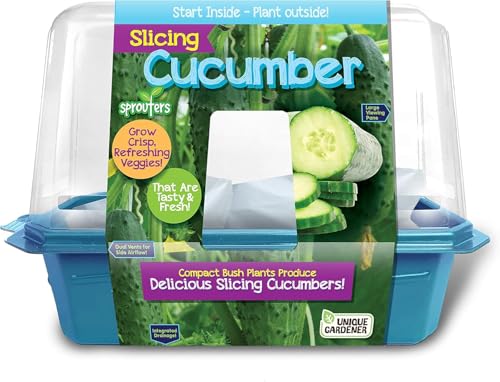
UNMATCHED FRESHNESS AND FLAVOR: Imagine savoring cucumbers straight from your home garden, bursting with flavor and crispness that store-bought veggies just can't match. By growing your cucumbers, you ensure a supply of fresh, and crisp cucumbers not go well with any dish.

Pro Grow Lights with Advanced Chips: Equipped with 56 high-efficiency beads per tray, these LED strips simulate natural sunlight for optimal seedling growth. Adjustable brightness and timer functions let you customize lighting for every plant stage, promoting faster, healthier growth—perfect for herbs, flowers, and more
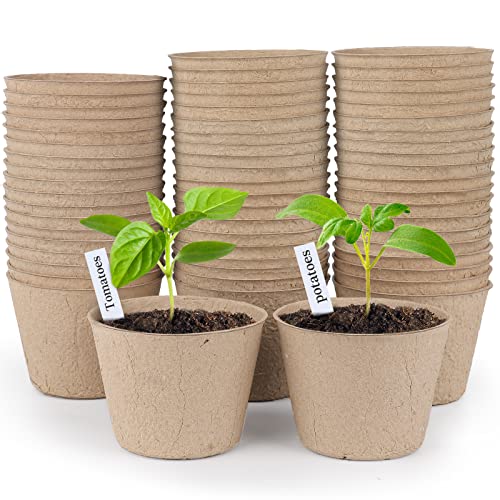
🌱【Get Your Dream Garden Started】The package includes 120 pack of seed starter pots and bonus 20 pack of plant labels. Compostable seed cups that can be planted right into the field, garden, or next-larger container, simplifying transplanting and eliminating root shock.
Caring for Transplanted Cucumbers
After transplanting your cucumber seedlings successfully, it’s essential to care for them properly to ensure healthy growth and a bountiful harvest. Here are some key tips to help you nurture your transplanted cucumbers:
- Watering: Keep the soil consistently moist, especially during hot weather, to prevent stress and maintain growth. Avoid overwatering, which can lead to root rot.
- Fertilizing: Feed your cucumbers with a balanced fertilizer to provide essential nutrients for optimal development. Follow the instructions on the fertilizer package for the correct application.
- Mulching: Apply a layer of mulch around the base of the cucumber plants to help retain moisture, suppress weeds, and regulate soil temperature.
- Pruning: Regularly prune or pinch off any yellow or diseased leaves to promote better air circulation and prevent the spread of diseases.
- Support: Depending on the cucumber variety, consider providing support like trellises or stakes to help the vines grow vertically and prevent fruit rot.
By following these care tips, you’ll be on your way to enjoying a successful cucumber harvest. Remember, attentive care is key to cultivating strong, healthy cucumber plants that produce an abundance of delicious cucumbers.
Recommended Products

【Multi-Function】 Tall Tomato Cage-Each tomato cage can be adjusted from 16inches to 47 inches in height,suit for different growth stages of plants, offering versatile supports for a wide variety of tomato plants, ensuring they grow tall and strong.

ADJUSTABLE SIZE:This tomato cage can be seamlessly adjusted to reinforce existing plant supports or extend vertical growing space for your plants. From delicate seedling stage to full harvest season, this plant support cage fully meets the needs of healthy and upright growth for your plants

Sturdy and Easy to Use: Crafted from premium, durable materials, our 2-pack of 48-inch moss poles empowers your climbing plants with reliable support while ensuring hassle-free installation
Conclusion
Transplanting cucumbers requires careful planning and attention to detail. By following the step-by-step guide outlined in this article, you can ensure the optimal growth of your cucumber seedlings. Remember to prepare the soil, harden off the seedlings, transplant at the right time, space them properly, and provide adequate care post-transplant. Water consistently, fertilize, mulch, prune, and offer support as needed. Your efforts will pay off with strong, healthy cucumber plants that will reward you with a plentiful harvest. Happy gardening!
Frequently Asked Questions
When is the best time to transplant cucumber seedlings?
Transplant cucumber seedlings post-last frost date to ensure optimal growth.
How should I prepare the soil for cucumber transplanting?
Prepare the soil by adding organic matter for nutrient-rich and well-draining soil.
What is the importance of spacing when transplanting cucumber seedlings?
Proper spacing is essential for air circulation between plants, preventing diseases.
What is the key to caring for transplanted cucumber plants?
Key care for cucumbers includes consistent watering to keep the soil moist.
How can I support my cucumber plants post-transplanting?
Support cucumber plants with structures like trellises to encourage upward growth.
What are some maintenance tips for growing healthy cucumber plants?
Maintain healthy cucumber plants by fertilizing with balanced fertilizer and mulching for moisture retention.
