

Ever wondered why your cucumbers refuse to thrive despite your efforts? Have you found yourself staring at your garden, wondering what you’re missing? Picture this: you envision a bountiful cucumber harvest, yet your plants seem stuck in a rut.
In this article, you’ll uncover simple yet effective strategies to transform your cucumber patch into a flourishing haven. By learning the secrets to nurturing your cucumbers, you’ll soon be picking crisp, homegrown cucumbers straight from your garden.
Selecting the Right Variety
When it comes to getting your cucumbers to grow successfully, choosing the right variety is crucial. Here’s why:
- Consider your climate: Opt for cucumber varieties that thrive in your specific climate conditions. Check for heat-tolerant or cold-resistant types depending on your region.
- Determine your preference: Decide if you prefer pickling cucumbers for your favorite recipes or slicing cucumbers for fresh salads.
- Space availability: If you have limited space, look for compact bush varieties that are perfect for container gardening.
- Disease resistance: Select varieties that are resistant to common cucumber diseases to ensure a healthy yield.
Remember, selecting the right variety sets the foundation for a successful cucumber harvest.
Providing Adequate Sunlight
To ensure optimal growth, cucumbers need plenty of sunlight. Make sure your cucumber plants get 6-8 hours of sunlight per day. Here are some tips to help you provide adequate sunlight for your cucumbers:
- Choose a sunny spot: Select a location in your garden where cucumbers can bask in the sun.
- Trim nearby foliage: Prune surrounding plants or branches that may shade your cucumber patch.
- Use reflective mulch: Consider reflective mulch to bounce more light towards your plants.
- Rotate your crops: Avoid planting cucumbers in the same spot every year to prevent shading from taller plants.
- Monitor the sun’s path: Be mindful of shadows and adjust your planting accordingly for maximum sunlight exposure.
- Protect from extreme heat: Shield cucumbers during heatwaves to prevent sunburn.
By following these simple steps, you can ensure that your cucumbers receive the sunlight they need to thrive.
Watering Consistently and Properly
To ensure optimal growth of your cucumbers, Watering Consistently and Properly is key. Here are some tips to help you achieve this:
- Consistent watering: Cucumbers require 1-2 inches of water per week.
- Deep watering: Encourage deep root growth by watering thoroughly, but less frequently.
- Morning watering: Watering in the morning allows foliage to dry during the day, reducing the risk of diseases.
- Avoid overhead watering: Direct water to the base of the plant to prevent leaf diseases.
- Mulch: Apply a layer of mulch around plants to retain soil moisture and reduce evaporation.
By following these watering practices, you can promote healthy cucumber growth and increase your chances of a successful harvest.
Recommended Products
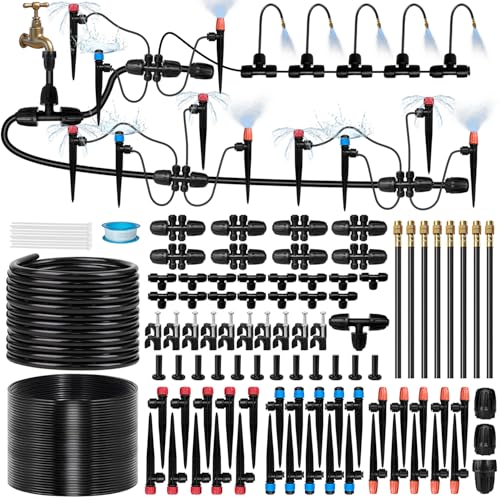
【Upgraded Tube Design & Water Saving】 Our garden watering system is upgraded to 1/2” diameter to support high water pressure. The 1/2” tee connector allows seamless splitting into 2 independent zones for customized watering schedules. By delivering moisture directly to root zones, this drip Irrigation system significantly reduces evaporation and runoff—saving more water compared to conventional sprinklers while eliminating the need for manual watering.

NO MORE HARD INSTALLATION - SET UP IN MINUTES. Tired of struggling with stiff barbed fittings? This drip irrigation system features quick-connect fittings that let you push, lock, and secure tubing effortlessly. No tools, no leaks, just a smooth setup experience. Enjoy a frustration-free installation and get your garden watering system running in minutes.

💧 Complete All-in-One Irrigation Kit – Everything You Need in One Box : Includes 40 ft of 1/2” main tubing, 200 ft of 1/4” distribution tubing, 30 precision sprayers (stream drippers, vortex emitters & mist nozzles), plus all connectors and fittings. Easily covers up to 250 sq. ft. in a single line or two 120 sq. ft. zones—perfect for gardens, raised beds, and greenhouses.
Fertilizing for Healthy Growth
When it comes to fertilizing your cucumbers, choosing the right type is crucial for their healthy growth. You’ll want to opt for a balanced fertilizer, such as a 10-10-10 or 10-20-10 blend, to provide essential nutrients without overdoing it.
Here are some tips to keep in mind:
- Apply fertilizer when your plants begin to vine and continue every 3-4 weeks throughout the growing season.
- Avoid over-fertilizing as it can lead to burned roots and stunted growth.
- Water your cucumbers thoroughly after fertilizing to help nutrients reach the roots effectively.
- Consider organic options like compost or manure for a natural boost without synthetic additives.
Proper fertilizing will support your cucumbers’ nutritional needs, contributing to robust vines and abundant fruit. Now, let’s move on to the next vital aspect of growing healthy cucumbers.
Recommended Products

🥒 EXPERTLY CRAFTED FOR CUCUMBER PRODUCTIVITY – Gardenera LIQUID POWER Cucumbers Fertilizer is designed to enhance vine growth, flowering, and high-yield fruiting for all cucumber types, including slicing, pickling, and greenhouse varieties.
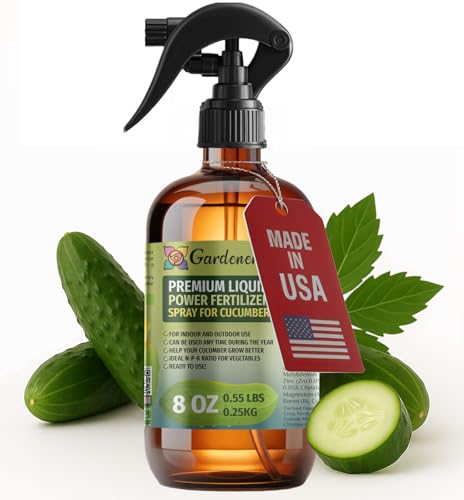
🌿 READY-TO-USE CONVENIENCE – Skip the hassle of measuring and mixing. This LIQUID POWER cucumber fertilizer spray comes fully premixed in an easy-to-use spray bottle, ready for immediate application to your garden or indoor plants.

Cucumber fertilizer specifically formulated for cucumbers, zucchini, pumpkins, butternut squash, melons, watermelon, and gourds, promoting robust vines, strong roots, and high yields
Identifying and Managing Common Pests and Diseases
When growing cucumbers, it’s important to be aware of potential pests and diseases that can affect your plants. Here’s how to identify and manage them effectively:
Pests to Watch Out For:
- Aphids, spider mites, and cucumber beetles are common pests that can harm your cucumber plants.
- Look for yellowing leaves, wilting, or sticky residue on the leaves as signs of pest infestation.
Natural Pest Management:
- Encourage beneficial insects like ladybugs and lacewings to help control pest populations.
- Neem oil or insecticidal soap can be used to naturally deter pests without harming your plants.
Common Diseases:
- Powdery mildew and bacterial wilt are frequent cucumber diseases that can impede growth.
- Wilting stems, yellow spots on leaves, or white powdery patches are indicators of potential disease issues.
Prevention and Control:
- Ensure proper air circulation around plants to reduce humidity levels, discouraging disease growth.
- Rotate your crops yearly to prevent the build-up of diseases in the soil.
- Prune affected leaves or stems to halt the spread of diseases.
- If necessary, use fungicides or bactericides to manage severe disease outbreaks.
- Regularly inspect your plants for any signs of pests or diseases.
- Act promptly to address any issues to protect the health of your cucumber crop.
Recommended Products
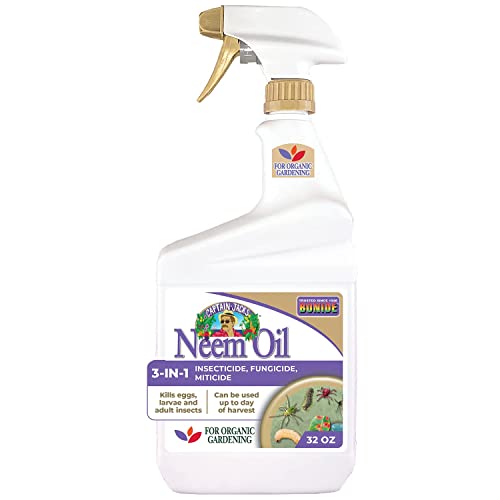
Protect your oasis with 3 garden products in 1 from Captain Jack’s; Bonide Captain Jack’s Ready-to-Use Neem Oil spray for plants is a multi-purpose fungicide, insecticide and miticide for your lawn & garden
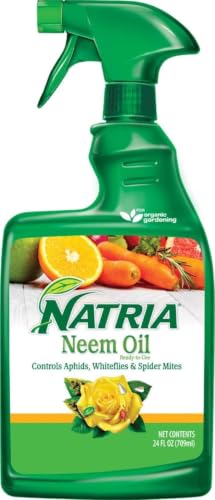
PLANT DISEASE CONTROL: Natria Neem Oil acts as an insecticide and fungicide in one convenient spray; Ready-to-use trigger sprayer requires no mixing

FUNGAL DISEASE CONTROL: Prevents and controls black spot on roses, powdery mildew, rust, downy mildew, and other listed fungal diseases when applied on a 7–14 day schedule
Conclusion
Now that you’re equipped with knowledge on managing pests and diseases that can harm your cucumber plants, you’re ready to tackle any challenges that come your way. Remember to keep a close eye on your plants, employ natural pest control methods, and take swift action if any issues arise. By implementing the prevention tips and strategies discussed in this article, you’ll be on your way to growing healthy and thriving cucumbers in no time. Happy gardening!
Frequently Asked Questions
What are the common pests that can affect cucumber plants?
Common pests that can affect cucumber plants include aphids, spider mites, and cucumber beetles. Signs of infestation may include yellowing leaves and wilting.
How can I manage pests in my cucumber plants?
You can manage pests in cucumber plants by attracting beneficial insects, using neem oil, and practicing good garden hygiene to minimize infestations.
What are some common diseases that cucumber plants can get?
Common diseases that cucumber plants can get include powdery mildew and bacterial wilt, which can affect the plant’s growth and yield.
How can I prevent diseases in my cucumber plants?
You can prevent diseases in cucumber plants by ensuring proper air circulation, practicing crop rotation, and promptly removing and disposing of infected plant parts.
How do I control diseases in my cucumber plants?
You can control diseases in cucumber plants by pruning affected parts, using fungicides if necessary, and maintaining a vigilant routine of plant inspection.
