

Ever wondered how many cucumber seeds to plant per hole for a bountiful harvest? Picture this: you’re in your garden, eager to sow your cucumber seeds, but unsure about the right amount. Should you scatter a handful or plant them meticulously? The struggle is real, but fret not, you’re not alone in this dilemma.
Importance of Seed Spacing
Plant spacing plays a crucial role in ensuring healthy growth of your cucumber plants. Adequate space between seeds allows them to receive sufficient nutrients, sunlight, and water, reducing competition among plants.
- Overcrowding can lead to stunted growth, increased susceptibility to pests and diseases, and a lower yield at harvest time.
Consider the mature size of the cucumber plant when spacing your seeds. Crowding can hinder proper vine development and lead to tangled growth that hampers pollination and harvest.
Creating uniform spacing between seeds promotes better air circulation, reducing the risk of fungal diseases that can thrive in damp, crowded conditions.
- Follow seed packet instructions for specific spacing recommendations.
- Allow around 4-6 inches between seeds to give each plant ample room to grow.
- If directly sowing seeds, consider thinning seedlings as they grow to maintain ideal spacing.
Remember, appropriate seed spacing is a simple yet effective way to maximize your cucumber harvest.
Recommended Products

Persian Cucumber: Authentic collectible category seeds. Premium Heirloom (USA): Non-GMO, Untreated, High germination rate. Eastern bestseller! A favorite of commercial gardening and restaurant art. Highly productive vine. Category: Gourmet Snack. The standard of taste, crunch, and sweetness among salad varieties.
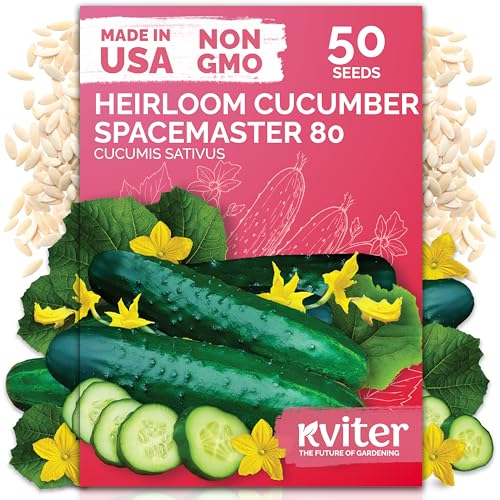
Compact container performer: Spacemaster cucumber seeds grow 18-30 inch vines with 7-8 inch green fruit, ideal heirloom cucumber seeds and vegetable seeds for patios, raised beds and small gardens.

Experience American Quality: Grow your own slice of American heritage right in your backyard with our premium packaged, USA-grown SpaceMaster cucumber seeds. Relish the satisfaction of nurturing top-notch produce, representing the robust quality and resilience of American farming.
Factors to Consider
When deciding how many cucumber seeds to plant per hole, there are several essential factors to take into account that can influence the success of your cucumber crop:
- Seed Viability: Using fresh cucumber seeds that are not past their expiration date is crucial, ensuring a higher germination rate.
- Soil Quality: Planting seeds in well-draining, nutrient-rich soil promotes healthy root development and overall plant growth.
- Climate Conditions: Consider the temperature and humidity levels in your area as these factors can impact seed germination and plant establishment.
- Spacing Guidelines: Following recommended seed spacing distances is important to prevent overcrowding, allowing each plant to access adequate sunlight, nutrients, and water.
- Variety Characteristics: Different cucumber varieties have varying growth habits and space requirements, so understanding the specific traits of the variety you are planting is key.
- Future Plant Growth: Anticipating the mature size of cucumber plants and their vine development is essential for maximizing yield and maintaining proper airflow to reduce disease risks.
| Optimal Seed Spacing: | 4-6 inches between seeds |
|---|---|
| Recommended Thinning: | 1 strong seedling per hole |
| Harvest Potential: | Maximized with appropriate seed spacing |
Optimal Number of Seeds per Hole
When deciding on the optimal number of cucumber seeds per hole, it’s essential to consider factors like seed viability, soil quality, climate conditions, spacing guidelines, variety characteristics, and future plant growth. Here are some key points to help you determine the right number of seeds to plant per hole:
- Seed Viability: Always use fresh, quality seeds to ensure successful germination and healthy plant growth.
- Soil Quality: Plant cucumber seeds in nutrient-rich soil to provide essential nutrients for robust plant development.
- Climate Conditions: Consider your local climate to ensure the temperature and moisture levels are suitable for cucumber growth.
- Spacing Guidelines: Follow recommended spacing of 4-6 inches between seeds to allow ample room for each plant to thrive.
- Variety Characteristics: Understand the specific traits of the cucumber variety you are planting to adjust seed spacing accordingly.
- Future Plant Growth: Anticipate the size of mature cucumber plants to prevent overcrowding and ensure optimal yield.
| Key Points | Details |
|---|---|
| Seed Viability | Use fresh seeds |
| Soil Quality | Nutrient-rich soil |
| Climate Conditions | Consider local climate |
| Spacing Guidelines | 4-6 inches between seeds |
| Variety Characteristics | Understand traits |
| Future Plant Growth | Anticipate plant size |
Recommended Products

EASIER SEED STARTING: Our Burpee SuperSeed tray with 16 extra-large flexible pop-out cells is designed to simplify indoor seed starting. Just add seed starting mix, seeds, water and light to get growing! Rows are labeled alphanumerically for seedling identification with included Plant-o-Gram diagram.

EASIER SEED STARTING: Our Burpee SuperSeed tray with 36 flexible pop-out cells is designed to simplify indoor seed starting for all your favorite vegetables, flowers and herbs. Just add seed starting mix, seeds, water and light to get growing! Rows are labeled alphanumerically for seedling identification with included Plant-o-Gram diagram. Tray dimensions: 11.5" x 10-3/8" x 2-1/4"

EASIER SEED STARTING: Our Burpee SuperSeed tray with 8 extra-large flexible pop-out cells is designed to simplify indoor seed starting. Just add seed starting mix, seeds, water and light to get growing! Perfectly sized for starting seeds in the windowsill: 11.5" x 5-3/16" x 2-1/4". Rows are labeled alphanumerically for seedling identification with included Plant-o-Gram diagram.
Planting Techniques
When planting cucumber seeds, it’s crucial to follow proper techniques to ensure successful growth. Here are some tips to help you get started:
- Prepare the Soil: Loosen the soil to a depth of 8-10 inches and mix in compost for added nutrients.
- Planting Depth: Sow the seeds 1 inch deep into the soil and cover them gently.
- Spacing Guidelines: Leave 4-6 inches between each seed to allow ample room for growth.
- Watering: Keep the soil consistently moist, but not waterlogged, especially during the germination stage.
- Sunlight: Choose a location that receives full sun for at least 6-8 hours a day.
- Support Structures: Consider placing trellises or stakes early on to support the vines as they grow.
By following these planting techniques, you can set your cucumber seeds up for success.
Recommended Products
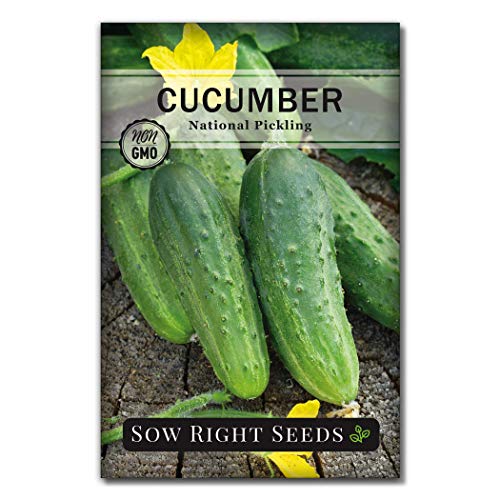
Beautiful - Full-color packet of National Pickling Cucumber seeds (Cucumis Sativus), a heavy producing self-pollinating variety that is burpless and wonderful for pickles or eating fresh. Sweet skins do not need to be peeled. Minimum of 1g per packet (about 39 seeds).

HELPING YOU GARDEN BETTER: Get ready for a huge harvest from your vegetable garden! Inspired by the Square Foot Gardening method, our patented seed-spacing template is fun for all ages and experience levels.

BUILT TO LAST A LIFETIME WITH FULL STAINLESS STEEL: Crafted from a single piece of high-quality, rust-resistant stainless steel. Unlike tools with weak wooden handles, the Gardmate hand dibber is built for a lifetime of use, bending and wear in all weather conditions.
Conclusion
That’s all you need to know about planting cucumber seeds. By following these essential techniques, you’ll be on your way to a successful cucumber harvest. Remember to prepare the soil, plant at the right depth, space the seeds appropriately, keep the soil moist, ensure they get enough sunlight, and provide support for vine growth. With these steps in mind, your cucumber plants will thrive and reward you with a bountiful yield. Happy planting!
Frequently Asked Questions
What are the essential planting techniques for cucumber seeds?
To plant cucumber seeds successfully, prepare the soil with compost, plant seeds at a depth of 1 inch, space them 4-6 inches apart, keep soil moist, ensure sunlight exposure, and provide support structures like trellises or stakes.
How far apart should cucumber seeds be planted?
Cucumber seeds should be spaced 4-6 inches apart for optimal growth.
What is the ideal depth to plant cucumber seeds?
Plant cucumber seeds at a depth of 1 inch in the soil for best results.
Why is soil moisture important for cucumber seed growth?
Maintaining consistent soil moisture is crucial for cucumber seed germination and overall plant health.
Do cucumber plants require support structures for vine growth?
Yes, providing support structures like trellises or stakes is essential for the vine growth of cucumber plants.
