

Best Time to Plant Cucumbers in South Carolina
Planting cucumbers in South Carolina relies on timing and weather conditions.
- Optimal time: Start planting cucumbers in late spring to early summer.
- Soil temperature: Make sure soil temperatures are at least 70°F before planting.
- Frost danger: Avoid planting before the last frost date, typically in late March or early April.
- Lengthy growing season: Cucumbers need about 50 to 70 days to mature after planting.
Consider these factors when deciding when to plant cucumbers in South Carolina.
- Frequent harvests: Plant in intervals to enjoy fresh cucumbers all season.
- Warm season crop: Cucumbers thrive in warm weather, so ensure the soil is warm enough for planting.
- Moisture needs: Adequate watering is crucial, especially during hot summer months.
- Sunlight exposure: Choose a sunny spot with at least 6 hours of sunlight daily for optimal growth.
- Pest control: Monitor for common pests like aphids and cucumber beetles.
- Support structures: Consider using trellises or stakes for vine support.
- Mulching: Mulch the soil to retain moisture and prevent weeds.
- Regular maintenance: Check plants regularly for signs of disease or nutrient deficiencies.
| Optimal Planting Time | Late spring to early summer |
|---|---|
| Soil Temperature | At least 70°F |
| Last Frost Date | Late March/early April |
| Days to Maturity | 50-70 days |
Selecting the Right Cucumber Variety
When choosing cucumber varieties to plant in South Carolina, consider the following factors to ensure a successful harvest:
- Disease Resistance: Opt for varieties that are resistant to common cucumber diseases prevalent in your region, such as Powdery Mildew and Downy Mildew.
- Habit: Decide if you prefer bush cucumbers, which spread out horizontally, or vining cucumbers, which grow vertically on trellises.
- Pickling vs. Slicing: Determine whether you plan to use your cucumbers for pickling or fresh consumption, as different varieties are better suited for each purpose.
- Climate Adaptability: Choose cucumber varieties that thrive in the hot and humid weather of South Carolina for optimal growth.
- Fruit Type: Select between burpless, slicing, or pickling cucumbers based on your preference and intended use.
By considering these aspects, you can select the ideal cucumber variety that aligns with your preferences and the climatic conditions of South Carolina.
Recommended Products


200 PREMIUM SEEDS: Comes with 200 high-quality Marketmore cucumber seeds, trusted for excellent germination, vigorous vines, and consistent production of smooth, dark-green fruits.

Heirloom Variety: English Telegraph cucumber seeds are open-pollinated heirloom cucumber seeds introduced around 1884, producing 12-18 inch nearly spineless fruits with crisp, mild flesh.
Preparing the Soil for Planting
When preparing the soil for planting cucumbers in South Carolina, it’s crucial to ensure that the soil is well-draining and rich in organic matter. The ideal soil pH for cucumbers is 6.0 to 6.8, so consider conducting a soil test to adjust the pH if needed.
Steps to prepare the soil:
- Begin by clearing the area of any weeds or debris that could hinder the growth of your cucumbers.
- Loosen the soil to a depth of at least 6 to 8 inches to promote good root development.
- Incorporate compost or well-rotted manure into the soil to improve its fertility and structure.
- Consider adding a balanced fertilizer before planting to provide essential nutrients for healthy cucumber growth.
- Mulching around the base of the plants can help retain moisture and suppress weed growth.
Remember, healthy soil is the foundation for successful cucumber growth, so investing time in preparing the soil adequately will pay off in a bountiful harvest.
Planting Cucumber Seeds or Seedlings
When to plant cucumber seeds or seedlings in South Carolina depends on the last frost date and the variety you’re growing.
Cucumber Seeds
If sowing seeds directly in the soil, wait until after the last frost, typically around mid-April to early May in South Carolina.
- Steps when planting cucumber seeds:
- Prepare the soil as discussed earlier.
- Plant seeds about 1 inch deep and 12 inches apart in rows.
- Water deeply after planting to ensure good moisture.
Cucumber Seedlings
If you prefer transplanting seedlings, start them indoors 3-4 weeks before the last frost date and transplant them outdoors after.
- Tips for planting cucumber seedlings:
- Harden off seedlings before planting outside to acclimate them to outdoor conditions.
- Space seedlings about 12-36 inches apart, depending on the variety.
Remember, always refer to the specific growing instructions on the seed packet for the best results.
Caring for Cucumber Plants
When it comes to Caring for Cucumber Plants, there are a few key aspects to keep in mind to ensure healthy growth and a bountiful harvest. Here are some essential tips:
- Watering: Cucumbers need consistent and even watering to thrive. Ensure the soil is moist, but not waterlogged.
- Fertilizing: Use a balanced fertilizer to provide essential nutrients for healthy growth. Consider fertilizing every 3-4 weeks.
- Mulching: Mulch around cucumber plants to retain moisture and prevent weeds.
- Pruning: Regularly prune or pinch off lateral vines to encourage air circulation and focus energy on fruit production.
- Pest Control: Keep an eye out for common pests such as cucumber beetles and aphids. Consider using organic pest control methods.
- Harvesting: Harvest cucumbers when they are firm and a desirable size. Regular harvesting encourages continuous production.
Remember, by implementing these care practices, you can enjoy a successful cucumber growing experience in South Carolina.
Recommended Products

🥒 EXPERTLY CRAFTED FOR CUCUMBER PRODUCTIVITY – Gardenera LIQUID POWER Cucumbers Fertilizer is designed to enhance vine growth, flowering, and high-yield fruiting for all cucumber types, including slicing, pickling, and greenhouse varieties.
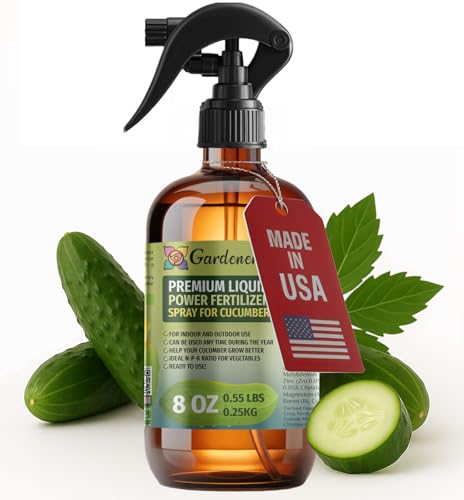
🌿 READY-TO-USE CONVENIENCE – Skip the hassle of measuring and mixing. This LIQUID POWER cucumber fertilizer spray comes fully premixed in an easy-to-use spray bottle, ready for immediate application to your garden or indoor plants.

Contains natural ingredients to feed microbes in the soil
Conclusion
You now have a comprehensive guide on caring for cucumber plants in South Carolina. Remember to water consistently, fertilize every few weeks, mulch for moisture, prune for air circulation, watch out for pests like cucumber beetles and aphids, and harvest your cucumbers when they’re firm. By following these tips, you’ll be on your way to a successful cucumber growing journey in the beautiful state of South Carolina. Happy gardening!
Frequently Asked Questions
1. How often should I water my cucumber plants in South Carolina?
Water your cucumber plants consistently, providing them with about 1-1.5 inches of water per week, especially during hot and dry weather.
2. What type of fertilizers should I use on my cucumber plants in South Carolina?
Use balanced fertilizers with equal N-P-K ratios every 3-4 weeks to promote healthy growth and fruit production in your cucumber plants.
3. Should I mulch around my cucumber plants in South Carolina?
Yes, mulch around your cucumber plants to retain moisture, suppress weed growth, and maintain consistent soil temperatures in South Carolina’s varying weather conditions.
4. Do I need to prune my cucumber plants in South Carolina?
Prune your cucumber plants by removing any damaged or overcrowded growth to improve air circulation, reduce disease risk, and promote better fruit development.
5. How can I control pests like cucumber beetles and aphids on my cucumber plants in South Carolina?
Monitor your cucumber plants regularly for pests like cucumber beetles and aphids, and use organic or chemical control methods as needed to prevent damage.
6. When is the right time to harvest cucumbers in South Carolina?
Harvest your cucumbers when they are firm to the touch and have reached the desired size, typically 6-8 inches long, for the best flavor and texture.
