

Ever wondered how those humble carrots in your garden transform into seeds? Picture this: you’ve nurtured them from tiny seeds to vibrant orange roots, but what happens next? How do they go from being your tasty snack to potential new plants? Dive into the fascinating journey of how carrots go to seed, unlocking the secrets of nature right in your backyard.
As you ponder the process of carrots transitioning to seeds, imagine the endless possibilities it holds. Understanding this natural cycle not only deepens your connection to your garden but also empowers you to harness the magic of growth and renewal. Unraveling the mystery behind how carrots go to seed opens up a world of knowledge and opportunities for you to explore in your own gardening endeavors.
In this article, we’ll guide you through the captivating journey of carrots reaching their full seed-producing potential. Get ready to witness the marvels of nature unfold before your eyes, as we unveil the secrets of how your beloved carrots pave the way for future generations of vibrant, flourishing plants.
The Life Cycle of Carrots
Carrots go through several stages in their life cycle. Understanding these stages can help you appreciate the fascinating process of how they go to seed:
- Germination:
- Carrots start as tiny seeds planted in the soil.
- Days to Germination:
Seeds need moisture and warmth to sprout.
- Leaf Growth:
- After germination, tiny carrot leaves emerge from the soil.
Carrot leaves should ideally be harvested before they reach the baby coriander leaf stage to avoid damaging the vegetable root.
- Root Development:
- Below the ground, the carrot root continues to grow and expand.
- Flower Formation:
- As the carrot plant matures, it produces a flower stalk.
Carrot flowers attract pollinators like bees and butterflies.
- Seed Production:
- Once pollinated, the flowers turn into seeds.
- Harvesting Seeds:
Carrot seeds are ready to harvest when they turn brown and dry on the plant.
- Let a few plants go to seed to ensure future crops.
- Label seed varieties to avoid mix-ups.
- Store seeds in a cool, dry place for future planting.
Understanding the life cycle of carrots gives you insight into how they produce seeds for the next generation of vibrant plants.
Importance of Allowing Carrots to Go to Seed
By allowing carrots to go to seed, you play a crucial role in promoting biodiversity in your garden. Carrots going to seed not only benefit your current harvest but also ensure a sustainable future for your crops. Here’s why it’s essential to let some of your carrots reach the seeding stage:
- Genetic Diversity: Allowing carrots to go to seed increases the genetic diversity within your garden. This diversity is essential for developing resilient plants that can adapt to changing environmental conditions and pests.
- Saving Money: Harvesting seeds from your carrots means you won’t have to purchase new seed packets every year. It’s a cost-effective way to ensure a steady supply of carrots in future seasons.
- Preserving Heirloom Varieties: If you have heirloom carrot varieties in your garden, letting them go to seed allows you to preserve these unique and sometimes rare varieties for future generations.
- Learning Experience: Allowing carrots to flower and set seed gives you a valuable opportunity to observe the entire lifecycle of these plants, deepening your understanding of seed production.
- Supporting Pollinators: When you let carrots go to seed, you provide a vital food source for pollinators like bees and butterflies, contributing to overall ecosystem health.
Incorporating these practices into your gardening routine not only benefits your current carrot crop but also ensures the sustainability of your garden for years to come.
Signs That Carrots Are Ready to Produce Seeds
When carrots are nearing the end of their lifecycle and getting ready to produce seeds, there are several signs you can look out for to ensure they are at the optimal stage for seed saving. Here are some indicators that your carrots are ready:
- Flowering Stage: The carrot plants will start to produce delicate white flowers at the center of the foliage. This is a crucial stage as it signifies that pollination has likely occurred.
- Seed Head Formation: After the flowers fade, they will be replaced by seed heads. These clusters develop seeds that can be harvested once they mature.
- Drying of Foliage: As the seed heads mature, you’ll notice that the foliage of the carrot plants starts to dry out. This is a natural process as the plant focuses its energy on seed production.
- Brown Seed Heads: When the seed heads turn brown and begin to crack open, it’s a clear indication that the seeds are ripe and ready for harvesting.
- Visible Seeds: Once the seed heads have opened, you’ll be able to see the brown seeds nestled inside. This is the final stage before you collect and store the seeds for future planting.
By recognizing these signs, you can ensure that you harvest seeds from your carrots at the optimal time, leading to successful germination and bountiful harvests in the seasons to come.
Recommended Products

Sweet, Coreless Roots: Heirloom carrots with tender 9-10 inches orange taproots and high sugar content. Grow in 3-10 USDA zones. Great carrots seeds for planting in any home garden.
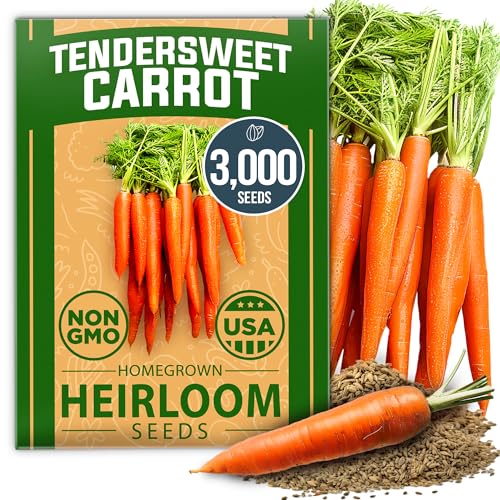
Premium Tendersweet Carrot Seeds: Authentic Open-Pollinated Premium Heirloom Seeds (USA) Non-GMO, Untreated, High Germination Rate. Phenomenal dessert Brix profile. High-impact carotene energy. An outstanding orange monolith for open ground, high ridges, and patio containers. Your garden bed is your pride.

Gardening Kit: Organo Republic 10 Unique Carrot Seeds Variety Pack Non-GMO Heirloom Seeds for LESS THAN $1.50 PER SEED VARIETY PACK with 7,550+ seeds including: Carrot Imperator 58, Carrot Little Fingers, Carrot Parisian, Carrot Purple, Carrot Red, Carrot White, Carrot Yellow, Carrot Royal Chantenay, Carrot Scarlet Nantes, Carrot Tendersweet.
Saving Carrot Seeds for Future Planting
When it comes to Saving Carrot Seeds for Future Planting, there are a few key steps to follow to ensure successful harvests year after year.
- Letting the seeds dry completely on the plant
- Once seeds are fully dry, collect them from the seed heads
- Store the seeds in a cool, dry place for future planting
- Properly label and date your stored seeds for easy identification
By following these steps, you can help maintain the long-term health and productivity of your garden while enjoying the benefits of saving your own carrot seeds.
Recommended Products

[LARGER STORAGE SPACE] The package includes 1 big plastic storage box + 64 small containers+ 1 tweezers This box can meet the needs of daily variety of seed classification storage.

GARDEN SEEDS SAVING KIT: Includes 48 organizer containers with 6 big and 42 small size, along with 20 seed envelopes, 1 storage carrier case, and 48 more labels, 1 funnel and tweezer. Centrally organize and safeguard your seeds from sunlight and moisture.

Quality & Robust Build: Made from sturdy plastic, this seed storage container helps shield seeds from humidity and dust; the transparent body with tight snap closure creates a clean, dry environment that supports seed freshness over time; ideal for preserving seed quality in sheds, garages, or greenhouses
Ensuring Successful Seed Harvest
When it comes to Ensuring Successful Seed Harvest from your carrot plants, there are a few key steps you should keep in mind:
- Timing is crucial: Wait until your carrot plant flowers and produces umbels, clusters of small white flowers resembling delicate lace.
- Observe the signs: Watch for the flowers to turn into small green pods, which will later develop into seeds.
- Patience is key: Allow the seeds to fully mature and ripen on the plant before harvesting.
To harvest your carrot seeds successfully:
- Gently pluck the umbels of seeds from the plant once they have dried and turned brown.
- Rub the umbels between your hands to release the seeds.
- Screen the seeds to remove any remaining plant debris and ensure clean seeds for storage.
Remember to store your carrot seeds in a cool, dry place and label them with the date of harvest for easy tracking. By following these steps, you can enjoy a bountiful harvest of carrot seeds for seasons to come.
Recommended Products

🌱 6 Unique Seed Varieties for Endless Fun: Spark curiosity with 6 different seed types—Kidney Bean, Pea, Soya-Bean, Radish, Chili, and Carrot! Watch kids compare growth speeds, colors, and root shapes, turning each planter into a mini science experiment.

Premium Seeds: Tendersweet heirloom carrot variety offering approximately 2600 seeds for extensive garden planting and multiple growing seasons
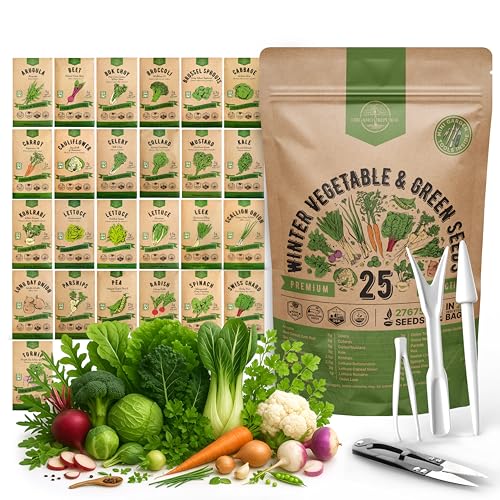
Gardening Kit: 25 Winter Vegetable & Greens Garden Seeds Variety Pack NON GMO Heirloom Seeds LESS THAN $1.00 PER SEED VARIETY PACK 27,675+ seeds including: Arugula, Beet Detroit Dark Red, Bok Choy, Broccoli, Brussel Sprouts, Cabbage, Carrot Imperator 58, Cauliflower, Celery, Collards, Curled Mustard, Kale, Kohlrabi, Buttercrunch, Oakleaf Green, Romaine, Leek, Tokyo Long White Scallion, Walla Walla, Parsnip, Pea, Radish Cherry Belle, Spinach, Swiss Chard, Turnip
Conclusion
That’s it! By following these steps, you can successfully harvest carrot seeds from your garden. Remember to be patient, observe the seed development process, and handle the seeds with care. Storing them properly will ensure a bountiful harvest in the future. Happy gardening!
Frequently Asked Questions
How do I know when my carrot plants are ready for seed harvest?
Wait for your carrot plant to flower and produce umbels.
What is the process of harvesting carrot seeds?
Observe the development of seeds from green pods to maturity, gently pluck dried umbels, and screen for debris.
How should I store harvested carrot seeds?
Store the seeds in a cool, dry place and label them with the harvest date for future use.
