

Ever wondered how long it takes for a cucumber to grow in your backyard? Picture this: you’ve planted your cucumber seeds with eager anticipation, but now you’re left wondering when you’ll finally get to enjoy those fresh, crunchy cucumbers in your salads and sandwiches.
Factors Affecting Cucumber Growth
When it comes to cucumber growth, several factors play a crucial role in determining how quickly and successfully your cucumbers will mature. Understanding these variables can help you optimize the conditions for your cucumber plants. Here are some key factors to consider:
- Temperature: Cucumbers thrive in warm temperatures, ideally between 70-85°F. Cooler temperatures can slow down growth, while excessive heat can stress the plants.
- Sunlight: Cucumbers are sun-loving plants. They need 6-8 hours of direct sunlight daily to grow and develop properly. Inadequate sunlight can lead to stunted growth.
- Watering: Cucumbers require consistent watering, especially during the flowering and fruiting stages. Keep the soil consistently moist but not waterlogged to support healthy growth.
- Soil Quality: Well-draining, nutrient-rich soil is key for cucumber growth. Ensure your soil has adequate organic matter and a pH level between 6.0 to 7.0 for optimal results.
- Pollination: Cucumbers require pollination to set fruit properly. If growing outdoors, bees are typically the primary pollinators. Planting flowers nearby can attract pollinators to your garden.
- Spacing: Proper spacing between cucumber plants is essential to allow for good air circulation, which can help prevent diseases and promote healthy growth. Aim for 12-24 inches apart within rows.
- Support: Some cucumber varieties benefit from trellises or stakes for support. This can help enhance air circulation, increase sun exposure, and save space in the garden.
Understanding and managing these factors can significantly impact the growth and productivity of your cucumber plants. By providing optimal conditions, you can enjoy a bountiful harvest of fresh and delicious cucumbers for your meals.
Recommended Products

🌑【Plant Support】Our bamboo lattice frame provides strong support for upward growth of plants. With a ladder-like structure, it is stable and sturdy, assisting plants in climbing upward.
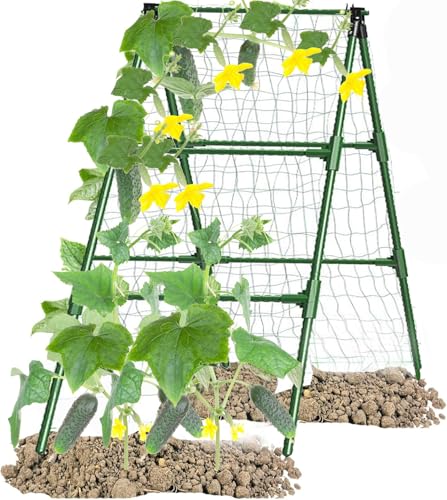
Package: 17 x Steel core stakes, 8x connecting pipes, 8 x connectors, 2 x A size clips, 1 x trellis netting, 10 x plant clips, 20pcs x Garden Ties, you can build a small plant cage
Ideal Growing Conditions
Your cucumber plants thrive when provided with optimal growing conditions. Here are some key factors to consider:
- Temperature: Cucumbers grow best in warm temperatures around 70-85°F.
- Sunlight: Ensure your plants receive 6-8 hours of sunlight each day for healthy growth.
- Watering: Consistent watering is crucial, aiming for 1-1.5 inches of water weekly.
- Soil Quality: Use well-draining soil rich in organic matter for nutrient uptake.
- Pollination: Bees are excellent pollinators for cucumbers; consider planting pollinator-friendly flowers nearby.
- Spacing: Cucumber plants need ample space for proper growth; allow 1-2 feet between each plant.
- Support: Provide trellises or stakes for vines to climb, promoting air circulation and reducing disease risk.
Maximize your cucumber yield by creating the perfect environment for your plants to flourish.
Germination Period of Cucumber Seeds
When planting cucumber seeds, it’s essential to understand the germination period to anticipate when your plants will emerge. Typically, cucumber seeds take about 7 to 14 days to germinate under optimal conditions.
During this period, make sure to keep the soil consistently moist but not waterlogged to support the germination process. Warm temperatures are also crucial for prompt and successful sprouting of cucumber seeds.
If you’re germinating seeds indoors, you can use a seedling heat mat to maintain the ideal soil temperature for quicker germination. This additional heat can help speed up the germination process and ensure a higher success rate.
Keep an eye on your cucumber seeds during this period, and once they’ve germinated, transfer them to their final growing location. With the right care and attention, you’ll soon see tiny cucumber seedlings emerging from the soil, ready to grow into healthy, productive plants.
Growth Phases of Cucumber Plants
Germination Stage:
- When you plant cucumber seeds, the first stage is germination.
- This phase usually lasts 7 to 14 days under optimal conditions.
- Ensure consistent soil moisture and warm temperatures for successful germination.
- Seedling heat mats can help maintain ideal soil temperature for quicker sprouting.
Seedling Stage:
- After germination, your seeds will develop into seedlings.
- Seedlings will continue to grow and develop their true leaves.
- It is crucial to monitor them closely for any signs of distress.
Vegetative Stage:
- In this stage, your cucumber plants will focus on growing leaves and vines.
- Proper care during this phase ensures strong and healthy plants.
- Regular watering and fertilization are crucial for optimal growth.
Flowering and Fruiting Stage:
- As your plants mature, they will start flowering.
- Pollination is essential for fruit development.
- Be patient during this stage as you wait for the cucumbers to grow.
- Once your cucumbers are mature, it’s time to harvest them.
- Use a sharp knife or scissors to cut the cucumbers carefully.
- Regular harvesting encourages continuous fruit production.
- Keep an eye out for common pests like aphids and diseases like powdery mildew.
- Natural remedies and organic pesticides can help protect your plants.
| Important Fact | Data |
|---|---|
| Germination Period | 7 to 14 days |
| Cucumber Harvesting | 50 to 70 days |
Harvesting Cucumbers
When it comes to harvesting cucumbers, timing is crucial for the best flavor and texture. Cucumbers are typically ready to harvest 50 to 70 days after planting. Here are some tips to ensure you pick your cucumbers at the right time and in the right way:
- Harvest Regularly: Keep an eye on your cucumber plants and pick ripe cucumbers regularly. Leaving overripe cucumbers on the vine can signal the plant to stop producing.
- Use a Sharp Knife or Pruners: To avoid damaging the plant, use a sharp knife or pruning shears to cut the cucumbers from the vine.
- Inspect Before Picking: Carefully examine the cucumbers before picking. Ensure they are firm, bright in color, and have a glossy skin.
- Pick in the Morning: The best time to harvest cucumbers is in the morning when they are crisp from the cooler overnight temperatures.
Conclusion
You’ve learned about the timing involved in harvesting cucumbers for the best taste and texture. Remember, cucumbers are typically ready for picking around 50 to 70 days after planting. By following the tips shared, like harvesting ripe cucumbers regularly and using the right tools, you can ensure a continuous supply of fresh, delicious cucumbers. Keep an eye out for firmness and color before harvesting, and consider picking them in the morning for that satisfying crunch. With these insights, you’re all set to enjoy a bountiful cucumber harvest in your own garden. Happy gardening!
Frequently Asked Questions
When is the best time to harvest cucumbers?
Cucumbers are usually ready for harvest 50 to 70 days after planting, when they reach the desired size and color. It’s best to pick them early in the day for optimal crispness.
How should I harvest cucumbers?
Harvest ripe cucumbers by using a sharp knife or pruners to cut the stem, leaving a small portion attached to the fruit. Inspect for firmness and color before harvesting.
Why is timing important in cucumber harvesting?
Timing is crucial as cucumbers can become bitter and less crisp if left on the vine for too long. Harvesting at the right time ensures the best flavor and texture.
