

Wondering how to grow the juiciest cucumbers in your own backyard? Have you ever planted cucumber seeds only to be disappointed by the results? Imagine effortlessly harvesting fresh cucumbers for your salads and pickles. In this article, you’ll discover the best techniques to ensure a bountiful cucumber harvest in your garden.
Have you struggled with cucumber plants that refuse to thrive or produce lackluster fruits? Picture yourself proudly showcasing your vibrant cucumber harvest to friends and family. By following simple yet effective tips, you can transform your cucumber-growing experience and enjoy a plentiful supply of this versatile vegetable.
Ready to elevate your gardening game and savor the taste of homegrown cucumbers? Learn the secrets to successful cucumber cultivation and get ready to enjoy a bumper crop of crisp, delicious cucumbers.
Selecting the Right Cucumber Varieties
When it comes to Selecting the Right Cucumber Varieties, it’s essential to consider factors like your growing conditions and preferences. Here are some considerations to keep in mind:
- Opt for disease-resistant varieties to minimize potential issues during growth.
- Consider the climate in your region to choose a suitable cucumber type that thrives in your area.
- Choose between slicing cucumbers for fresh consumption or pickling cucumbers for preserving.
Selecting the right cucumber variety lays the foundation for a successful harvest.
Providing Adequate Sunlight and Water
To ensure your cucumbers thrive, give them at least 6-8 hours of sunlight daily. Position them in a spot where they can bask in the sun. Remember, cucumbers love warmth!
When it comes to watering, consistency is key. Keep the soil moist but not soggy. Water the base of the plants to prevent mildew and disease.
Consider using a drip irrigation system for efficient watering. This method delivers water directly to the roots, minimizing evaporation and ensuring your cucumbers get the hydration they need.
Recommended Products
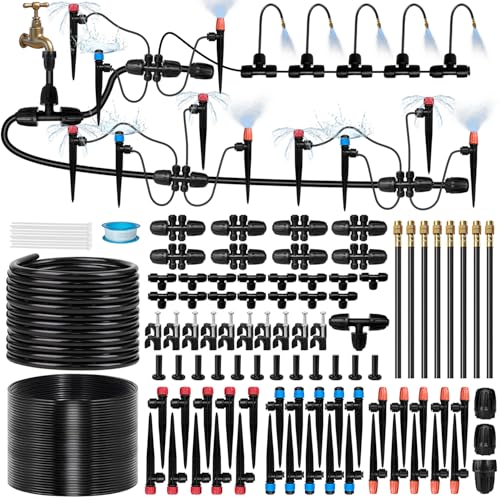
【Upgraded Tube Design & Water Saving】 Our garden watering system is upgraded to 1/2” diameter to support high water pressure. The 1/2” tee connector allows seamless splitting into 2 independent zones for customized watering schedules. By delivering moisture directly to root zones, this drip Irrigation system significantly reduces evaporation and runoff—saving more water compared to conventional sprinklers while eliminating the need for manual watering.

Automatic Drip Irrigation System Kit: The universal connector adapts to different tubing sizes with a secure, leak-free fit; the dual-channel connector splits a single line into two separate watering paths for multi-zone irrigation. The garden bed watering system includes 100FT 1/4" Water Pipe, Cable Ties x 24, Universal Connector x 1, Dual Channel Connector x 1, Quick Tees x 24, Sealing Tape x 1, Fixing Clips x 24, End Plus x 4, and Brass Nozzles x 24. Simply unbox and start building automatic misting system.

✔Comprehensive Drip Irrigation Kit:MIXC drip irrigation system, equipped with a versatile range of components, caters to all your garden watering needs.Includes essential parts such as 197ft 1/4'' irrigation tube, 33ft 1/2'' irrigation tube, 1/2‘’ Lock Barbed Tee connectors, drip emitter streams, vortex emitters, Blue Mist Nozzles, Quick connection tees, Faucet Connector, and more.
Preparing Nutrient-Rich Soil
To grow healthy and bountiful cucumbers, you’ll need to start with nutrient-rich soil. Here are some tips to ensure your soil provides the best foundation for your cucumber plants:
- Test Your Soil: Before planting, test your soil to determine its pH levels and nutrient composition.
- Amend Your Soil: Based on the test results, amend your soil with compost, aged manure, or organic fertilizer to ensure it’s rich in essential nutrients.
- Loosen the Soil: Use a gardening fork to loosen the soil and improve aeration, which aids in root growth and nutrient absorption.
- Mulch Your Soil: After planting, apply mulch around the base of the plants to retain moisture, suppress weed growth, and maintain consistent soil temperature.
- Rotate Your Crops: If possible, rotate your crops each season to prevent nutrient depletion and minimize disease build-up in the soil.
Recommended Products

Quick, at home results for Soil pH, Nitrogen, Phosphorous and Potash Innovative and inexpensive soil test kit features an easy-to-use capsule system and patented color comparators

KNOW BEFORE YOU GROW | Grow the healthiest, sustainable lawn and garden with the most accurate and easy to use professional soil test kit on the market

Comprehensive Soil Analysis: Liquid soil test kits offer a comprehensive analysis of essential soil parameters, including pH, ammonia, nitrogen, phosphorus, and potassium. Having all these measurements in one kit provides a holistic understanding of the soil's fertility and health.
Nutrient Composition of Soil
| Nutrient | Importance |
|---|---|
| Nitrogen | Essential for leafy growth and overall health |
| Phosphorus | Promotes root development and fruit production |
| Potassium | Aids in disease resistance and fruit quality |
| Calcium | Helps prevent blossom end rot in cucumbers |
| Magnesium | Important for photosynthesis and nutrient uptake |
| Sulfur | Plays a role in protein production and plant vigor |
Feel free to share any tips you may have for improving soil quality for your cucumber plants.
Supporting Cucumber Plants with Trellises or Cages
When it comes to supporting cucumber plants, using trellises or cages can greatly benefit your crop.
Here are some reasons why you should consider this method:
- Save Space: by growing cucumbers vertically, you maximize your garden space.
- Better Air Circulation: reduces the risk of diseases by allowing air to circulate around the plants.
- Straighter Cucumbers: hanging cucumbers will grow straighter and be less likely to develop curves or deformities.
- Easier Harvesting: picking cucumbers hanging on trellises or cages is much simpler compared to searching through sprawling vines.
Tips for using trellises or cages for cucumbers:
- Select Sturdy Support: ensure your trellises or cages can support the weight of growing cucumbers.
- Position Correctly: place the support structure before planting seeds or seedlings for easier management.
- Train the Vines: gently guide the cucumber vines to climb the trellis or cages as they grow.
- Regular Monitoring: check the growth regularly to prevent vines from getting tangled or overwhelmed by the support.
Remember, providing proper support for your cucumber plants can lead to a healthier and more abundant harvest.
Protecting Cucumber Plants from Pests and Diseases
Pests can wreak havoc on your cucumber plants. Here are some tips to keep them at bay:
- Inspect regularly: Check your plants for any signs of pests, such as holes in leaves or chewed stems.
- Act quickly: If you spot pests, take action immediately to prevent further damage.
- Natural remedies: Consider using natural solutions like neem oil or insecticidal soap to protect your plants.
Diseases can also pose a threat to your cucumbers. Keep your plants healthy with these strategies:
- Spacing: Plant your cucumbers with adequate space between them to promote air circulation.
- Avoid overhead watering: Wet foliage can promote disease. Water at the base of the plant instead.
- Crop rotation: Rotate your crops yearly to reduce disease buildup in the soil.
Prevention is key when it comes to pests and diseases. By staying vigilant and taking proactive measures, you can protect your cucumber plants and ensure a bountiful harvest.
Recommended Products
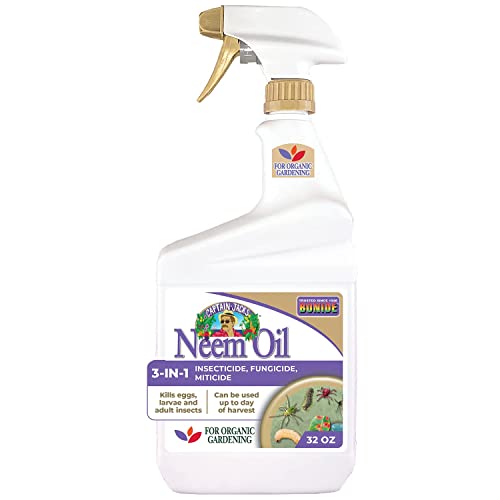
Protect your oasis with 3 garden products in 1 from Captain Jack’s; Bonide Captain Jack’s Ready-to-Use Neem Oil spray for plants is a multi-purpose fungicide, insecticide and miticide for your lawn & garden

FUNGAL DISEASE CONTROL: Prevents and controls black spot on roses, powdery mildew, rust, downy mildew, and other listed fungal diseases when applied on a 7–14 day schedule

FOR ORGANIC GARDENING - Captain Jack's NeemMax is a perfect pest control solution for any garden dealing with mites, flies, mildew, and more. This product is a four-in-one insecticide, fungicide, miticide, and nematicide.
Conclusion
In wrapping up, remember that protecting your cucumber plants from pests and diseases is key to a bountiful harvest. By staying vigilant, taking prompt action, and utilizing natural remedies, you can ensure your plants thrive. Proper spacing, watering techniques, and crop rotation are essential for disease prevention. Keep a watchful eye on your plants and implement proactive measures to maintain their health. With these strategies in place, you’ll be on your way to growing healthy and abundant cucumbers in your garden.
Frequently Asked Questions
How can I protect my cucumber plants from pests?
Regularly inspect your plants for pests and take prompt action upon detection. Consider using natural remedies like neem oil to deter pests effectively.
What measures can I take to prevent diseases in cucumber plants?
To prevent diseases, ensure proper spacing between plants for adequate air circulation. Avoid overhead watering to minimize moisture on leaves. Implement crop rotation to reduce the risk of disease spread.
Why is prevention important for safeguarding cucumber plants?
Prevention is key to safeguarding cucumber plants as it reduces the likelihood of pest infestations and diseases. By being vigilant and taking proactive measures, you can ensure a successful harvest of healthy cucumbers.
