

Ever wondered if your garden could be a harmonious ecosystem where radishes and cucumbers thrive side by side? Picture this: vibrant radishes popping up amidst lush cucumber vines, creating a picturesque and bountiful garden scene.
What if you could maximize your garden space and yield by strategically planting these two veggies together? Imagine the convenience of harvesting radishes and cucumbers from the same garden bed, saving you time and effort.
In this article, you’ll discover the secrets of companion planting radishes with cucumbers, unlocking the potential for a flourishing garden that’s not only productive but visually stunning. Let’s dive in and explore how these two plants can complement each other in your garden oasis.
Benefits of Companion Planting
When planting radishes with cucumbers, you unlock a world of benefits that go beyond mere convenience. Here’s how this dynamic duo can enhance your garden:
- Natural Pest Control: Radishes act as natural repellents for pesky cucumber beetles, while cucumbers deter root maggots that often affect radishes. Together, they form a protective barrier against common garden pests.
- Soil Health: Radishes help break up compacted soil, improving drainage for cucumbers. In return, cucumber vines provide shade for radishes, helping retain soil moisture and prevent excessive evaporation.
- Increased Yield: By planting radishes and cucumbers together, you can maximize your garden space and yield. The quick-growing radishes can be harvested before the cucumbers need the extra room to spread out.
- Enhanced Flavor: Some gardeners believe that the spicy flavor of radishes can deter pests that might damage cucumber plants. Plus, having fresh radishes and cucumbers side by side can inspire new culinary creations right from your garden.
- Visual Appeal: The contrasting colors and textures of radishes and cucumbers create an aesthetically pleasing visual effect in your garden. Not only are you reaping the benefits of companion planting, but you’re also adding beauty to your outdoor space.
Understanding Radishes and Cucumbers
When planting radishes with cucumbers, it’s important to understand how these two vegetables complement each other in your garden. Here’s a breakdown of their key characteristics:
Radishes:
- Quick-growing root vegetables.
- Have natural pest-repelling properties, particularly against cucumber beetles.
- Enhance soil drainage, benefiting cucumbers’ growth.
- Vine plants that spread and provide ground cover.
- Help shade the soil, retaining moisture crucial for both plants.
- Deter root maggots, offering protection to radishes.
By combining radishes and cucumbers in your garden, you create a symbiotic relationship where each plant contributes to the other’s success. Remember to consider the planting depth and spacing requirements of both vegetables for optimal growth and yield.
Companion Planting Guidelines for Radishes and Cucumbers
Planting radishes with cucumbers offers various benefits. Here are some companion planting guidelines to help you maximize the symbiotic relationship between these two vegetables:
- Plant radishes before cucumbers: Radishes grow quickly and can be harvested before cucumbers need the extra space.
- Space them properly: Plant radishes about 4-6 inches apart and cucumbers 36-60 inches apart in rows to avoid overcrowding.
- Consider the sunlight: Plant cucumbers on the north side of the radish rows to prevent overshadowing.
- Watch out for pests: Radishes deter cucumber beetles, which helps protect the cucumber plants.
- Watering needs: Keep the soil consistently moist for cucumbers, but avoid overwatering to prevent radishes from becoming too pungent.
| Spacing | Radishes | Cucumbers |
|---|---|---|
| Distance Apart | 4-6 inches | 36-60 inches |
| In Rows | – | – |
These guidelines will help you create a thriving garden where radishes and cucumbers complement each other.
Recommended Products
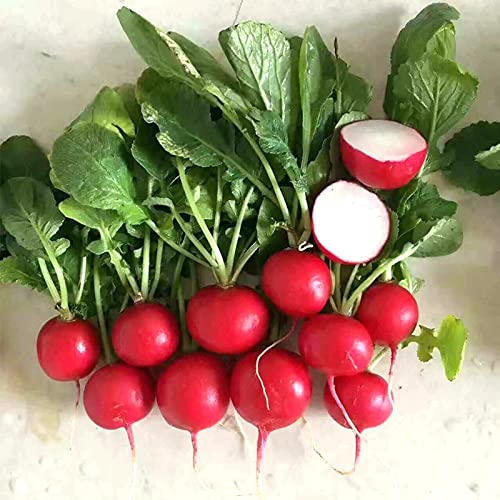
500+ non-GMO heirloom Cherry Belle radish seeds: These seeds are grown from heirloom Cherry Belle radishes, which are known for their crisp, sweet flavor and fast growing qualities. They are also non-GMO, so you can be sure that you are planting seeds that are safe for your family and the environment.

USDA Certified Organic by ECOCERT

HEIRLOOM FRENCH VARIETY – Classic French Breakfast radish with elongated red roots tipped in white, crisp texture and mild flavor make it a favorite salad or snack radish
Planting Techniques for Radishes and Cucumbers
When planting radishes and cucumbers together, consider the following techniques:
- Succession Planting: Start by planting radishes before cucumbers in the same space.
- Spacing: Place radish seeds every few inches while cucumber seeds need more room to spread out properly.
- Positioning: Avoid shading radishes by taller cucumber plants to ensure they receive adequate sunlight.
- Companion Planting: Utilize radishes to deter pests like cucumber beetles and create a healthier ecosystem for your garden.
To ensure a thriving garden, manage watering carefully, considering the varying needs of both radishes and cucumbers. Remember to water consistently but avoid overwatering to prevent issues like root rot.
By following these planting techniques, you can establish a balanced environment where radishes and cucumbers complement each other, leading to a successful harvest.
Maintenance Tips for a Successful Garden
- Consistent Watering is key. Keep soil moist, but avoid waterlogging.
- Water radishes and cucumbers at soil level to prevent foliage diseases.
- Assess soil moisture by feeling the top layer; it should be damp but not soggy.
- Use mulch to retain moisture and prevent weeds.
Spacing and Positioning
- Plant radishes and cucumbers with adequate space between each plant.
- Ensure adequate sunlight for optimal growth. Radishes need 6 hours, cucumbers need 8 hours.
Pest Control
- Rotate crops to reduce pest buildup.
- Monitor for signs of pests like holes in leaves and yellowing.
- Introduce beneficial insects like ladybugs for natural pest control.
Harvesting Tips
- Harvest radishes promptly to avoid overcrowding.
- Cucumbers are ready when they reach proper size and color for the variety.
- Regular harvesting encourages more fruit production.
Soil Management
- Test soil pH levels regularly to ensure it’s suitable for both crops.
- Amend soil with compost to improve nutrient levels.
| Key Points | Data/Statistics |
|---|---|
| Average sunlight needed for cucumbers | 8 hours/day |
| Ideal soil pH for radishes and cucumbers | 6.0-7.0 |
| Mulch thickness for moisture retention | 2-3 inches |
Conclusion
You now have a solid understanding of how to successfully plant radishes with cucumbers in your garden. Remember to maintain consistent watering, assess soil moisture regularly, and use mulch for moisture retention. Proper spacing, sunlight exposure, and soil management are key factors for the growth of these vegetables. Implement pest control strategies like crop rotation and pest monitoring, and consider introducing beneficial insects. Timely harvesting is crucial for both radishes and cucumbers. Don’t forget to test your soil pH and amend it with compost for optimal results. By following these tips, you’ll be on your way to a bountiful harvest of radishes and cucumbers in your garden.
Frequently Asked Questions
1. How often should I water my garden for successful growth?
Consistent watering is key to maintaining a successful garden. Water your garden as needed based on the type of plants, weather conditions, and soil moisture levels.
2. What is the importance of using mulch in the garden?
Mulch helps retain moisture in the soil, reducing the need for frequent watering. It also helps suppress weeds, regulate soil temperature, and improve overall soil health.
3. What are some pest control strategies for my garden?
Effective pest control strategies include crop rotation, regular pest monitoring, and introducing beneficial insects to combat harmful pests.
4. Why is timely harvesting important for vegetables like radishes and cucumbers?
Timely harvesting ensures that vegetables are picked at their peak freshness and flavor. It also promotes continuous production and prevents overripening.
5. How can I improve soil quality for optimal plant growth?
Conduct soil pH testing and amend the soil with compost to enhance nutrient levels. Proper soil management is essential for healthy plant development.
6. What are the key points to consider for sunlight exposure in the garden?
Ensure that plants receive adequate sunlight based on their specific requirements. Proper sunlight exposure is crucial for photosynthesis and overall plant health.
