

Ever wondered why your green bean seeds disappear overnight? Picture waking up to find your carefully planted seeds devoured by sneaky birds. Frustrating, right? In this article, you’ll discover simple and effective ways to keep those pesky birds at bay and protect your green bean harvest.
Have you ever felt defeated by the sight of nibbled green bean sprouts? It’s a common struggle for many gardeners. But fear not! With a few clever strategies and tricks up your sleeve, you can safeguard your precious green bean seeds from feathered thieves.
Understanding the Behavior of Seed-Eating Birds
Birds have an innate instinct for finding and consuming green bean seeds. Understanding their behavior can help you protect your harvest effectively.
- Bird Vision: Birds have excellent color vision, making green beans an easily identifiable target for them.
- Feeding Patterns: Birds are opportunistic feeders and will search for food sources, including your precious green bean seeds.
- Social Behavior: Birds often communicate with each other about food sources, attracting more feathered visitors to your garden.
To deter these seed-hungry birds, it’s essential to implement strategies that target their behavior directly.
Natural Deterrents to Protect Green Bean Seeds
When it comes to protecting your green bean seeds from pesky birds, incorporating natural deterrents can be an effective and eco-friendly approach. Here are some strategies you can consider implementing in your garden:
- Scarecrows: Traditional scarecrows may seem cliché, but they can still be quite effective in deterring birds from feasting on your green bean seeds.
- Predator Decoys: Placing fake predators like plastic owls or snakes can create the illusion of danger for birds, dissuading them from coming near your plants.
- Reflective Materials: Blending reflective objects like old CDs or aluminum foil strips around your garden can startle birds with unexpected light and movement.
- Netting: Covering your green bean plants with bird-proof netting can physically prevent birds from accessing the seeds without harming them.
- Companion Planting: Consider planting strongly scented herbs or flowers that repel birds, such as marigolds or lavender, alongside your green beans.
Remember, combining these natural deterrents strategically can increase their effectiveness in keeping birds at bay and safeguarding your precious green bean seeds.
Recommended Products

HDPE Material – Strong Green Bird Netting: Made from high-density polyethylene (HDPE), this green bird netting is stronger and more durable than traditional nylon or polypropylene netting. Widely used in outdoor applications such as wire and cable protection, HDPE material provides long-lasting performance for garden bird netting and plant netting
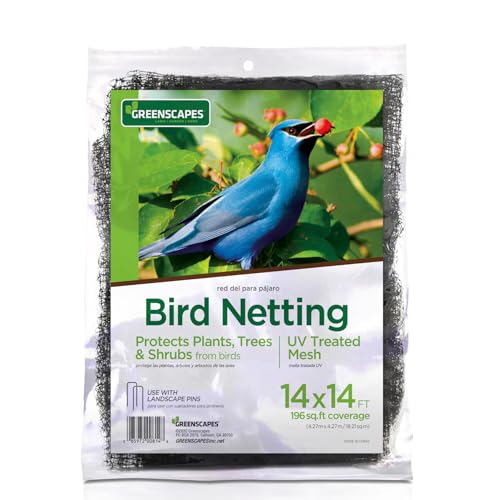
Gives the ability to protect garden and crops from birds such as mockingbirds, sparrows, jays, blackbirds, and many others; Prevents damage to garden items and off limit areas
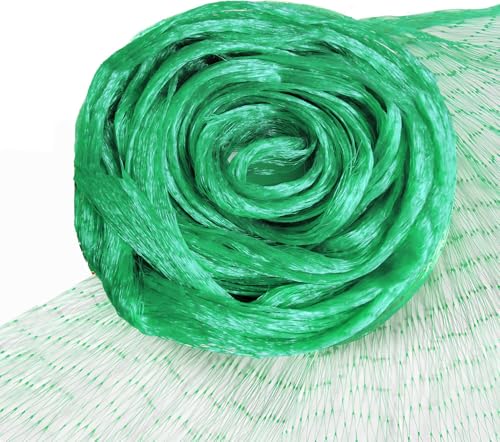
Bird Netting: The size of the anti-bird net is 13*16.5ft,and the mesh size is 0.8 inches, which can fully ensure the passage of sunlight and rain. While protecting plants from various animals, it ensures that plants can grow normally
Physical Barriers and Bird-Proofing Techniques
When it comes to protecting your green bean seeds from hungry birds, using physical barriers and bird-proofing techniques can be highly effective. Here are some strategies you can implement in your garden:
- Bird-Proof Netting: Cover your green bean plants with a bird-proof netting material. This acts as a barrier, preventing birds from reaching the seeds.
- Row Covers: Install row covers made of mesh or lightweight material over your plants. These covers allow sunlight and water to reach the plants while keeping birds at bay.
- Cloches or Plastic Domes: Place cloches or plastic domes over individual plants to create a physical barrier against birds.
- Cage Enclosures: Build cage enclosures around your green bean plants using wire mesh or hardware cloth to keep birds out.
- PVC Hoop Houses: Construct PVC hoop houses over your garden beds and cover them with bird netting to protect your green bean seeds.
By incorporating these physical barriers and bird-proofing techniques into your gardening routine, you can safeguard your green bean seeds from avian invaders.
Recommended Products

Defend Against Unwanted Visitors: Gardening is a rewarding and fulfilling endeavor, and you'll watch your plants grow from nothing to maturity before you finally harvest them. Once the plants begin to flower and bear fruit, these unwelcome visitors visit your garden and often leave a trail of destruction. Garden netting is the best choice for protecting your plants

Ultra-Fine Mesh Netting: Large Size 2pack 10x33 Feet provide more security, Ultra Fine Garden Netting has a 0.04in ultra-fine mesh, It also allows sunlight | artificial light as well as air and rain to pass through. Light material, no burden for plant buds. Provide healthy growth environment for plants. Tip:(Not two packages, it's one package with two 10*33FT garden nets inside)
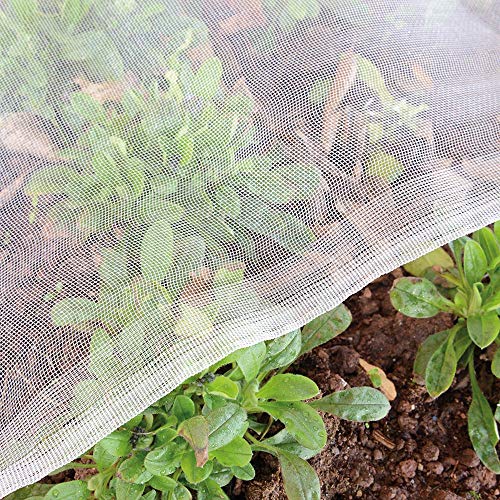
🥬Effective Bug Barrier: Protecting plants and vegetables from a wide range of pest insects and animals, such as cicadas, carrot fly and many species of aphids, you will get a healthier and happier garden
Gardening Practices to Minimize Bird Damage
When protecting green bean seeds, it’s important to incorporate effective gardening practices that help minimize bird damage. Here are some practical tips to help you safeguard your seeds and ensure a bountiful harvest:
- Timing of Planting: Consider planting your green beans slightly earlier in the season to give them a head start before birds become more active in search of food.
- Companion Planting: Try planting bird-deterring plants like marigolds or sunflowers near your green beans to help deter birds from feasting on your seeds.
- Scare Tactics: Utilize scare tactics such as reflective objects, wind chimes, or even a well-placed scarecrow to keep birds away from your garden.
- Regular Monitoring: Make it a habit to regularly check on your green bean plants for any signs of bird damage so that you can take action promptly.
- Diverse Protection Methods: Use a combination of physical barriers like netting, row covers, or cloches along with scare tactics to create a multi-layered defense against bird intrusion.
Recommended Products

Bird Netting: The size of the anti-bird net is 13*33ft,and the mesh size is 0.8 inches, which can fully ensure the passage of sunlight and rain. While protecting plants from various animals, it ensures that plants can grow normally

Size Detail: The anti-bird netting measures approx. 4 m x 10 m/ 13 ft x 33 ft, and the mesh grid measures 0.59 in x 0.59 in, suitable size for rain and sunshine to pass normally, the cable tie measures approx. 4.5 in, the plastic tack measures approx. 4.5 in
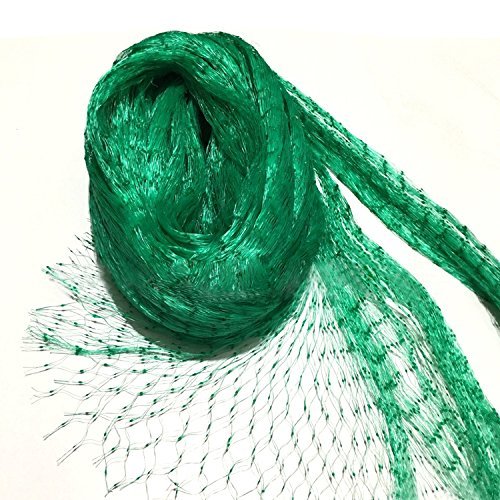
Size: 4m x 10m / 13FT x33FT,The netting holes size:1.5x1.5 cm.
Conclusion
By following these effective gardening practices, you can safeguard your green bean seeds from birds and ensure a bountiful harvest. Planting early, using companion plants, incorporating scare tactics, monitoring for damage, and combining barriers with deterrents create a robust defense against bird interference. With these strategies in place, you’ll be able to enjoy your green bean garden without worrying about pesky birds disrupting your efforts. Happy gardening!
Frequently Asked Questions
How can I protect green bean seeds from birds effectively?
Plant green beans earlier in the season, use companion planting with bird-deterring plants, employ scare tactics like reflective objects and scarecrows, monitor for bird damage regularly, and combine physical barriers with scare tactics for comprehensive defense against bird intrusion.
