

Ever wondered how to keep your green bean plants standing tall in the face of a blustery wind? Picture this: you’ve lovingly nurtured your green beans, only to have them swaying precariously in the gusts. Fret not, as we’ve got you covered! In this article, we’ll delve into smart strategies to help you safeguard your green bean plants when the wind starts to howl.
Imagine a scenario where your vibrant green bean plants are at the mercy of strong winds, risking damage and stunted growth. What if we told you there are simple yet effective ways to shield your plants from these turbulent conditions? By the end of this read, you’ll be equipped with valuable insights and practical tips to ensure your green bean garden thrives, no matter how blustery it gets.
Understanding Wind Effects on Green Bean Plants
When strong winds hit your green bean plants, they can face significant challenges. Here’s how wind affects your green bean plants:
- Desiccation: Wind can lead to excessive water loss from the leaves, weakening the plant.
- Physical Damage: Strong gusts can break stems, damage leaves, or uproot the entire plant.
- Stunted Growth: Constant swaying can hinder the plant’s ability to uptake nutrients and grow properly.
To protect your green bean plants from these effects, consider the following strategies:
- Plant Supports: Stake your green bean plants to provide structural support against the wind.
- Windbreaks: Utilize trees, fences, or bushes as barriers to reduce the impact of strong winds.
- Timely Watering: Ensure your plants are well-hydrated to combat the effects of desiccation.
By understanding the impact of wind on your green bean plants and taking proactive steps, you can help them thrive regardless of the weather conditions.
Selecting Wind-Resistant Plant Varieties
When choosing green bean plant varieties for your garden, opt for ones known to be resistant to wind damage. Look for dwarf or bush types, as they tend to handle wind better than their climbing counterparts. Some varieties to consider include:
- Provider
- Blue Lake
- Topcrop
These wind-resistant green bean varieties are less likely to suffer from physical damage and stunted growth when faced with strong winds. By selecting the right plant types, you can proactively protect your green bean plants from the damaging effects of wind.
Remember, choosing resilient varieties is a key step in managing green bean plants in windy conditions.
Recommended Products
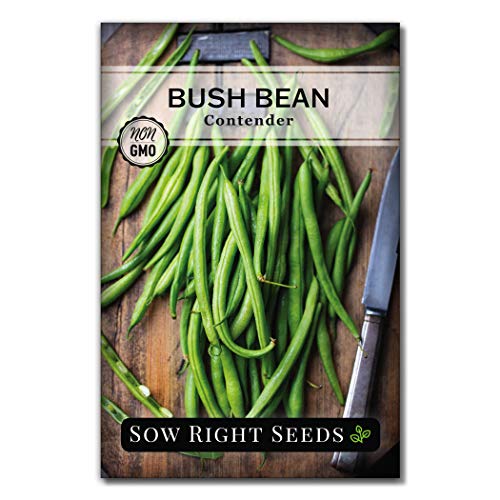
Beautiful - Large premium seed packet of Contender Bush Bean (Phaseolus vulgaris) seeds. Minimum of 16.5g per packet (about 30 seeds). Stringless bush bean that matures early and produces high yields. Adaptable, performing well in short, cool growing seasons or in hot weather. Beans are 5-8" long and retain their flavor when frozen or canned.

High Germination Rate: Heirloom seeds sprout in 5–10 days. Ideal greenbeans for USDA zones 3–11, gardens, raised beds, and containers. Blue lake bush bean seeds have been known in the canning industry for years because of its reliability, huge yields and disease resistance.

🧑🌾 Jade Bush Bean Seeds – A classic bush-type snap bean that grows compactly without the need for trellising. Plants produce straight, deep green pods with a clean snap and tender texture, making them a dependable choice for fresh picking and kitchen use throughout the summer season.
Providing Structural Support for Green Bean Plants
To protect your green bean plants from the damaging effects of wind, providing structural support is key. Here are some practical tips to help you reinforce your green bean plants and keep them secure:
- Use Stakes: Secure tall stakes firmly into the ground near the base of your green bean plants.
- Trellising: Install a trellis system that allows your plants to climb and reduces their exposure to strong winds.
- Netting: Use netting to create a barrier that shields your plants from direct wind impact.
- Cages: Place cages around individual plants to offer them stability and protection.
Remember, properly securing your green bean plants can go a long way in safeguarding them from wind damage and ensuring a successful harvest.
Recommended Products

Gardening Support: 1 Pack Trellis Netting (8.2' x 6.6'Ft). Sturdy trellis netting offers strong support all season long. Using this garden help, you can decorate your garden by supporting and organizing your plants and vines.

Built to Last : The trellis netting made from nylon materials, this green trellis net is designed to perform well under different weather conditions, from strong sunlight to heavy rainfall. It maintains its function and structure throughout the growing season, ensuring your plants are well-supported

Our Polyethylene netting is an affordable alternative to traditional wire mesh. UV stabilized Polyethylene is lightweight, practical, and encourages growth. Miuezuth engineered it to be strong enough to support melons, yet safe enough for the most delicate leaves and stems. This netting improves air circulation, exposure to the sun, and use of space. This trellis netting ensures that your plants stay healthy, which increases their yield.
Implementing Windbreaks in the Garden
Do you find your green bean plants struggling in windy conditions?
Recommended Products
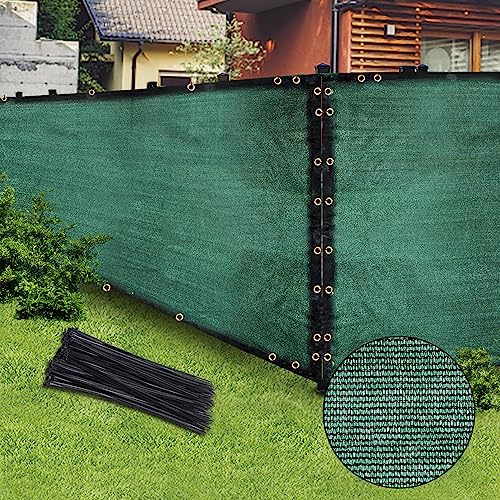
Perfect Fit & Easy Installation: Our Privacy Screen Fence measures precisely 5' x 50', making it a perfect fit for fences 5 feet or slightly taller. It can be easily installed on chain link fences, existing cyclone wire fences, wooden retaining walls, welded wire fences, and more. For easy and secure installation, we've included grommets placed vertically every 1 foot and horizontally every 2 feet, with 4 grommets at each corner. We also provide 80 zip ties for added convenience.

90% Blockage for Privacy: Helps reduce views into your backyard, patio or pool area, creating a more private outdoor space.
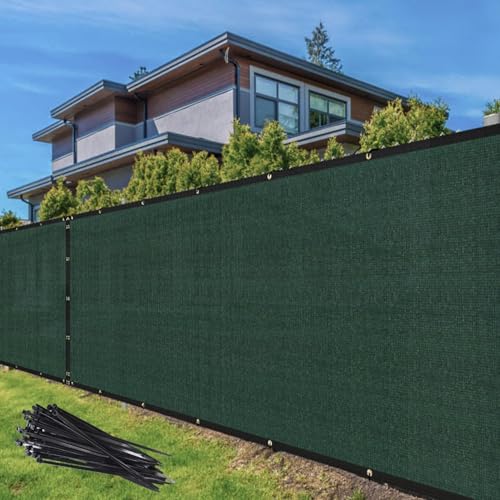
HDPE Material: Knitted with 100% high-quality, pure polyethylene material, this tear-resistant, air-permeable, breathable weaving fabric allows water and air to flow freely and is UV-resistant
Why Windbreaks Matter
- Windbreaks create a protective barrier to shield your plants from strong winds.
- They reduce wind speed, minimizing the risk of damage to your green bean plants.
Types of Windbreaks
- Natural windbreaks: Utilize tall trees or shrubs to block the wind.
- Artificial windbreaks: Construct fences, walls, or trellises to redirect the wind.
Plant Placement Tips
- Locate your windbreaks strategically to ensure optimal protection for your green bean plants.
- Position them perpendicular to the prevailing wind direction.
DIY Windbreak Ideas
- Plant rows of sunflowers or tall grasses as a natural wind barrier.
- Install temporary barriers like mesh screens or burlap wraps for extra protection during windy periods.
Benefits of Windbreaks
- Higher yield: Protect your green bean plants from wind damage for a bountiful harvest.
- Improved plant health: Reduce stress on plants and enhance their overall well-being.
- Regularly inspect windbreak structures for damage or wear and tear.
- Prune trees or shrubs to maintain their effectiveness as windbreaks.
| Key Fact | Data |
|---|---|
| Average wind speed | 15 mph |
| Optimal plant distance from windbreak | 10-20 feet |
Ready to fortify your garden against windy conditions? Try implementing these windbreak strategies to nurture thriving green bean plants all season long.
Monitoring and Adjusting Care During Windy Conditions
When monitoring your green bean plants in windy conditions, it’s essential to regularly inspect their condition to detect any wind damage early. Here are some tips for effective monitoring:
- Check the plants for broken stems or branches that could indicate wind damage.
- Look out for signs of wilting or yellowing leaves, which may result from wind stress.
- Monitor the direction of the prevailing wind and observe how your plants are being affected.
To adjust your care for green bean plants during windy conditions, consider the following strategies:
- Stake taller plants to provide additional support and prevent them from bending or breaking in strong winds.
- Water your plants regularly to help them withstand wind stress and prevent dehydration.
- Mulch around the base of the plants to retain moisture and provide insulation against the wind.
By actively monitoring your green bean plants and adjusting your care based on weather conditions, you can protect your plants and promote healthy growth even in windy environments.
Conclusion
Keep a watchful eye on your green bean plants in windy conditions. Regular inspections can help you catch wind damage early, ensuring your plants stay healthy. Consider staking taller plants for extra support and maintaining consistent watering to combat wind stress. Mulching is also a great way to retain moisture and protect your plants from the harsh effects of the wind. By being proactive and adjusting your care routine as needed, you can help your green bean plants thrive despite challenging weather conditions. Happy gardening!
Frequently Asked Questions
Why is monitoring care for green bean plants in windy conditions important?
Regular monitoring helps detect wind damage early, such as broken stems and wilting leaves, allowing for timely intervention.
What are some signs of wind damage in green bean plants?
Signs of wind damage include broken stems, wilting leaves, and the impact of prevailing winds on plant structure.
How can I adjust care for green bean plants in windy conditions?
Adjust care by staking taller plants for support, ensuring consistent watering to combat wind stress, and mulching to retain moisture and shield against the wind.
