

Ever found yourself wondering when it’s the perfect time to pluck those fresh green beans from your garden? Picture this: you’re standing amidst lush green vines, eager to savor the fruits of your labor, but uncertain if they’re truly ripe for picking. How do you know when those vibrant pods are at the peak of perfection?
In this article, you’ll uncover the secrets to identifying the ideal moment to harvest your green beans. From the subtle signs that indicate readiness to the simple tricks that guarantee flavorful results, you’re about to gain the confidence to pick your produce with precision. Get ready to transform your green bean harvesting game and relish the satisfaction of gathering your homegrown bounty at just the right time.
Understanding the Growth Cycle of Green Beans
When it comes to harvesting green beans, understanding their growth cycle is crucial for optimal timing. Here’s a breakdown of the key stages in the growth process:
- Germination: This is the initial phase where the seed starts sprouting, forming roots and shoot.
- Vegetative Growth: The plant focuses on developing leaves and strengthening its roots during this growth stage.
- Flowering: Green bean plants produce blossoms that eventually turn into pods.
- Pod Development: The pods grow and mature, changing in color and size as they ripen.
To determine when green beans are ripe for harvest, keep a close eye on the pods. Look for these indicators that the beans are ready to be picked:
- Color: The pods should be a vibrant green color, indicating maturity.
- Texture: Gently squeeze the pod – it should feel firm and crisp.
- Size: Green beans are typically ready for picking when they reach 4 to 6 inches in length.
- Seeds: Check inside the pod – the seeds should be well-formed but still small.
By observing these key signs and understanding the growth cycle of green beans, you can confidently harvest them at the perfect peak of ripeness.
Visual Cues for Ready-to-Harvest Green Beans
When it comes to determining the optimal time to harvest your green beans, paying attention to visual cues is key. By observing the plant and pods closely, you can ensure that you pick them at the peak of ripeness. Here are some visual indicators to look out for:
- Color: Vibrant green pods are a good sign that the beans are ready to be harvested. The color should be uniform and rich, indicating maturity.
- Texture: Gently touch the pod. It should feel firm and smooth, signaling that the beans inside have developed fully.
- Size: Green beans are best picked when they are long and slender. Avoid harvesting pods that look thin or underdeveloped.
- Seed Development: Check the pods for visible bulges where the seeds are forming. Well-defined beans inside indicate readiness for harvest.
By keeping an eye on these visual cues, you’ll be able to confidently pick green beans at their prime, ensuring the best flavor and quality for your culinary creations.
Using the Snap Test for Ripeness
When it comes to determining the perfect time to harvest green beans, the snap test is a tried and true method. It’s a straightforward technique that involves breaking a bean in half with your fingers and listening for a distinctive snap.
Here’s how you can use the snap test effectively:
- Hold the green bean between your fingers.
- Bend the bean until it snaps.
- Listen for that satisfying sound.
A crisp snap indicates that the bean is at its peak ripeness, ensuring optimal flavor and texture. Remember, overripe beans may bend without snapping, while underripe beans can be tough and resistant to the snap.
Including the snap test in your green bean harvesting routine can elevate your culinary experience by guaranteeing freshness and quality in every dish.
Recommended Products


Tested and proven to be safe for baby
5 X .45 ACP caps per pack - Specifically designed for dry firing - Made in the USA to strict quality standards
Optimal Harvesting Time for Different Green Bean Varieties
When it comes to determining the ideal time to harvest green beans, understanding the specific characteristics of different varieties is key to ensuring the best flavor and texture in your dishes. Here’s a breakdown of optimal harvesting times for common green bean varieties:
- Bush Beans:
- Harvest when the beans are about 4-6 inches long. They should be firm and plump, with no visible bulges.
- Pole Beans:
- Wait until the beans are 6-8 inches long but still smooth. Avoid waiting too long, as they can become tough.
- String Beans:
- Optimal harvesting time is when the beans are thin and tender, typically around 4-6 inches long. These beans should snap easily without bending.
By being attuned to these specific characteristics of different green bean varieties, you can ensure that each harvest is done at the perfect moment for the most enjoyable culinary experience.
Recommended Products

Novelty Silicone Thumb Knife: The blade is made of grade A imported stainless steel, easy to cut in, easy to clean, easy and labor-saving. With a special silicone finger cover, the unique elasticity makes you feel comfortable when you wear it

LONG REACH, PRECISION BLADES: These lightweight, razor-sharp flower clippers feature long, pointed, thin blades that reach even the tightest spaces - like stems deep inside a bundle. Specially designed for picking flowers and herbs, deadheading and quick precise snips. Note: not suitable for cutting hard, woody stems.
Novelty Silicone Thumb Knife: The blade is made of grade A imported stainless steel, easy to cut in, easy to clean, easy and labor-saving. With a special silicone finger cover, the unique elasticity makes you feel comfortable when you wear it
Preserving Freshness After Harvest
- Trimming: Start by trimming the ends of the beans.
- Cleaning: Rinse the beans with cold water to remove any dirt or debris.
- Drying: Make sure the beans are completely dry before storing them.
- Storage: Store the beans in a perforated plastic bag in the refrigerator.
- Usage: Utilize your green beans within a few days for the best taste.
- Temperature: Keep your green beans in the refrigerator at around 40°F.
- Humidity: Maintain some humidity in the storage environment to prevent wilting.
- Airflow: Ensure there is some airflow around the beans to prevent moisture buildup.
| Temperature | Humidity | Shelf Life |
|---|---|---|
| 40°F | Moderate | 3-5 days |
Recommended Products

Triple the life of your fresh herbs Our BPA-free containers are designed to prolong the life of your fresh herbs, while being easy to use and fit into any fridge door. The advantage of our design is the clear windowed, hard shell protect leaves from being crushed by other items in the fridge and they let you see what’s inside, while letting them breath at optimum hydration levels. Now that’s better than wrapping them in a damp cloth!

Help Keep Produce Fresh Longer: Fridge-friendly storage helps keep produce fresh longer with an inner basket keeps produce elevated and promotes optimal air circulation to keep things fresh
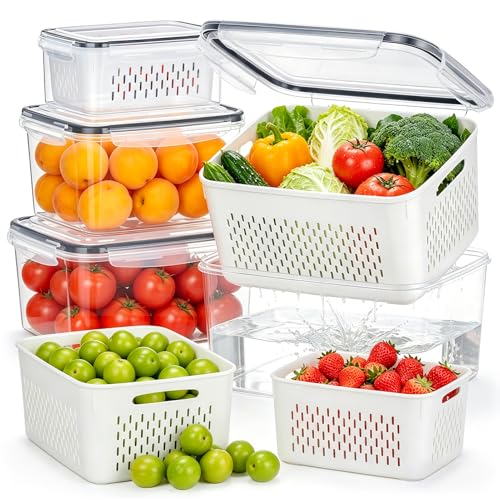
4 PACK FRUIT CONTAINERS FOR FRIDGE: Fruit storage containers for fridge includes include 4 pack of large size 3.4QT + medium size 1.8QT + small size 0.9QT + mini size 0.4QT. Various capacities perfect for most fruit, vegetable, salad, lettuce, bacon, berry, strawberry, cereal, meat, produce and other food storage
Conclusion
Now that you know the best times to harvest your green beans and how to keep them fresh, you’re all set to enjoy a bountiful harvest. Remember to handle your beans with care, from trimming to storing, to ensure they stay crisp and flavorful. By following these simple tips, you can savor the taste of freshly picked green beans for days to come. Happy harvesting!
Frequently Asked Questions
When is the best time to harvest green beans?
The optimal time to harvest green beans varies by variety, but in general, pick them when the pods are firm, crisp, and elongated. Avoid beans that are bulging or overripe for the best flavor and texture.
How should green beans be preserved for freshness?
To maintain the freshness of green beans, trim the ends, wash them in cold water, pat dry, and store in a perforated plastic bag in the crisper drawer of the refrigerator. Properly dried beans can last up to 3-5 days, retaining their quality for longer.
What storage conditions are recommended for green beans?
Store green beans at a consistent temperature of 40°F with moderate humidity to extend shelf life. Provide adequate airflow to prevent moisture buildup, which can lead to mold growth. Proper storage conditions are crucial for preserving the freshness and quality of green beans.
