

Ever wondered if you can keep planting green beans in the same spot year after year without issues? Picture this: you’ve found the perfect spot in your garden that seems to be the ideal home for your green beans, but you’re not sure if it’s sustainable. Will the soil get tired, or can it keep up with your green thumb ambitions?
Benefits of Rotating Green Beans
When it comes to rotating green beans, the benefits are worth considering for your garden:
- Maintains Soil Health: Rotating your green beans with different crops helps prevent nutrient depletion in the soil.
- Reduces Pests and Diseases: By rotating, you can break pest cycles and reduce the risk of diseases that target green beans specifically.
- Improves Yield: Different crops have varying nutrient needs, so rotating helps ensure that your green beans get the nutrients they need for optimal growth.
- Enhances Soil Structure: Crop rotation can help improve soil structure over time, making it easier for your green beans to develop healthy root systems.
Overall, rotating your green beans is a smart strategy to maintain soil health and ensure a fruitful harvest each year.
Risks of Repeating Green Bean Planting
Planting green beans in the same spot every year can lead to certain risks that may impact the overall health and productivity of your garden:
- Depletion of Soil Nutrients: Continuous planting of green beans in the same spot can deplete specific nutrients essential for their growth, resulting in nutrient deficiencies over time.
- Increased Pest and Disease Pressure: Repeatedly growing green beans in the same location can attract pests and diseases that thrive in that environment, leading to an escalation in pest infestations and plant diseases.
- Soil Compaction: Continuous cultivation of green beans without rotation can cause soil compaction, which hinders root growth, nutrient uptake, and water infiltration, ultimately affecting the health of the plants.
- Imbalance in Soil Microorganisms: Planting green beans in the same spot may disrupt the balance of beneficial soil microorganisms necessary for plant health, leading to a decline in soil fertility and structure.
- Stunted Plant Growth: Over time, the growth of green beans may become stunted due to the accumulation of plant-specific pathogens and pests in the soil, limiting the overall yield and quality of the crop.
By paying attention to these risks, you can make informed decisions about whether it’s time to rotate your green beans with other crops for a healthier and more sustainable garden.
Recommended Products


High graded 100% Arabica Green Coffee Beans. Perfect for home or small batch roasting

High graded 100% Arabica Green Coffee Beans. Perfect for home or small batch roasting
Considerations for Continuous Growth
When continuously planting green beans in the same spot year after year, it’s essential to consider a few key factors to ensure the health and productivity of your garden. Here are some important considerations to keep in mind:
- Soil Nutrient Depletion: Growing green beans in the same spot depletes the soil of specific nutrients essential for healthy plant growth.
- Increased Pest and Disease Pressure: Repeating green bean crops in the same area can attract pests and diseases, making it harder to control infestations.
- Soil Compaction: Continuous cultivation in one spot can lead to soil compaction, affecting root development and water infiltration.
- Imbalance in Soil Microorganisms: Repetitive planting can disrupt the natural balance of beneficial soil microorganisms, impacting plant health.
- Stunted Plant Growth: Over time, green beans may struggle to thrive in soil lacking the necessary nutrients and microbial diversity.
To maintain a sustainable garden environment and ensure successful green bean cultivation, rotating crops and implementing proper soil management practices are crucial. By being mindful of these considerations, you can make informed decisions to promote the longevity and vitality of your garden.
Recommended Products
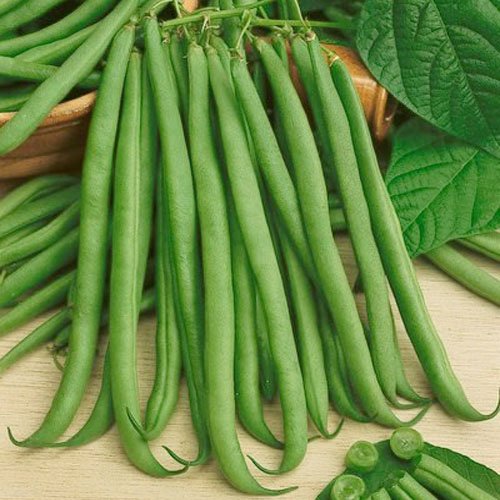
Early Maturing: Topcrop beans are known for their quick growth cycle, reaching maturity in about 48 to 60 days, making them ideal for regions with shorter growing seasons.
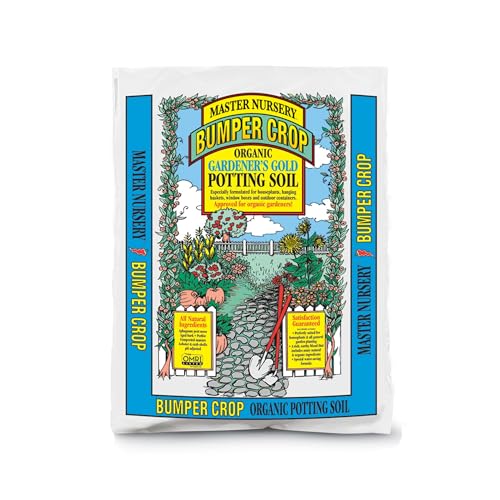
You will receive a 1-cubic foot bag of Gardener's Gold per purchase
Techniques for Sustainable Green Bean Planting
To ensure the continual success of your green bean crop, here are some sustainable planting techniques you can implement:
- Crop Rotation:
- Switch up where you plant your green beans each year to prevent soil depletion and reduce pest issues.
- Rotate with crops like corn, squash, or tomatoes to diversify nutrients and disrupt pest lifecycles.
- Cover Crops:
- Plant cover crops like clover or vetch during the off-season to protect soil structure, minimize erosion, and add organic matter.
- Compost Application:
- Regularly enrich your soil with homemade or store-bought compost to replenish vital nutrients and support healthy plant growth.
- Mulching:
- Use organic mulch such as straw or shredded leaves to retain soil moisture, suppress weeds, and regulate soil temperature.
- Integrated Pest Management:
- Embrace natural pest control methods like companion planting and beneficial insect habitats to manage pests without harmful chemicals.
- Soil Testing:
- Conduct annual soil tests to determine nutrient levels and pH, allowing you to adjust fertilization practices accordingly.
| Key Point | Data/Statistics |
|---|---|
| Crop Rotation with diverse crops | Helps reduce pest pressure |
| Cover crops like clover or vetch | Protects soil structure |
| Compost application for nutrient replenishment | Supports healthy plant growth |
| Organic mulch for moisture retention and weed control | Regulates soil temperature |
| Integrated Pest Management for natural pest control | Minimizes chemical usage |
| Annual soil tests for informed fertilization practices | Allows for tailored soil management |
Recommended Products

ACCURATELY MEASURES SOIL PH - Lawns thrive in soil with pH levels between 6.2 and 7.0. Our soil test kit accurately determines soil pH levels in just 10 minutes.

Quick, at home results for Soil pH, Nitrogen, Phosphorous and Potash Innovative and inexpensive soil test kit features an easy-to-use capsule system and patented color comparators

KNOW BEFORE YOU GROW | Grow the healthiest, sustainable lawn and garden with the most accurate and easy to use professional soil test kit on the market
Conclusion
By implementing sustainable planting techniques like crop rotation, cover crops, compost application, organic mulch usage, integrated pest management, and annual soil tests, you can ensure the long-term success of your green bean crops. These practices not only help maintain soil health and fertility but also support healthy plant growth while reducing the need for chemical pesticides. By following these strategies, you can continue to grow vibrant green beans in the same spot year after year, enjoying a bountiful harvest while promoting environmental sustainability in your garden. Happy gardening!
Frequently Asked Questions
What are some sustainable planting techniques for green bean crops?
To ensure continual success with green bean crops, consider crop rotation with diverse plants like corn, squash, or tomatoes, planting cover crops such as clover or vetch, applying compost regularly, using organic mulch for moisture retention, implementing integrated pest management strategies, and conducting annual soil tests for informed fertilization practices. These techniques help prevent soil depletion, reduce pest issues, protect soil structure, replenish vital nutrients, support healthy plant growth, regulate soil temperature, and minimize chemical usage for pest control.
