

Ever wondered how to make your green bean garden thrive without harmful pests taking over? Imagine a world where your plants flourish, thanks to the help of tiny but mighty allies. Picture a scenario where ladybugs, bees, and other beneficial insects work their magic, keeping your garden healthy and vibrant. In this article, you’ll discover simple yet effective ways to attract these garden superheroes to your green bean patch.
By inviting beneficial insects into your garden, you’re not just creating a beautiful ecosystem; you’re ensuring a bountiful harvest without the need for harmful chemicals. These natural allies can help control pests, pollinate your plants, and maintain a balanced environment. Get ready to learn how to set the stage for a garden teeming with life and productivity. Let’s dive in and unlock the secrets to a thriving green bean garden with the help of our buzzing and crawling friends.
Understanding the Role of Beneficial Insects in Green Bean Gardens
Benefits of Beneficial Insects
- Ladybugs and bees are natural pest controllers.
- They help pollinate green bean plants.
- Maintain a healthy balance in your garden ecosystem.
Ladybugs: Tiny Warriors
- Ladybugs feast on aphids, mites, and other pests.
- Protect green bean plants from damage.
- Attract them with pollen and nectar-rich flowers.
- Bees transfer pollen between flowers.
- Boost bean plant yield.
- Plant bee-friendly flowers like lavender and sunflowers.
- Provide shelter and water sources for insects.
- Avoid chemical pesticides to protect these helpers.
- Plant diverse flowers to attract a range of beneficial insects.
| Ladybugs: | Bees: |
|---|---|
| Feast on pests like aphids | Vital pollinators |
| Protect plants from damage | Boost bean yield |
| Attracted to pollen-rich flowers | Plant bee-friendly flowers |
Identifying Key Beneficial Insects for Pest Control and Pollination
Ladybugs:
- Feed on harmful insects like aphids and mites.
- Serve as natural pest controllers in green bean gardens.
- Essential for pollination and boosting bean plant yield.
- Attracted to bee-friendly flowers like lavender and sunflowers.
- Plant pollen and nectar-rich flowers to attract ladybugs.
- Grow bee-friendly flowers like lavender and sunflowers.
- Provide shelter and water sources.
- Avoid chemical pesticides to safeguard beneficial insects.
| Ladybugs | Bees |
|---|---|
| Feed on aphids and mites | Essential for pollinating bean plants |
| Natural pest controllers | Attracted to lavender and sunflowers |
Recommended Products

Lures Pollinators & Beneficial Bugs:This insect hotel, bee hotel & mason bee house attracts mason bees, pollinating bees. As a pollinator habitat, it pairs with garden bee houses to boost yields, plus draws ladybugs for natural balance
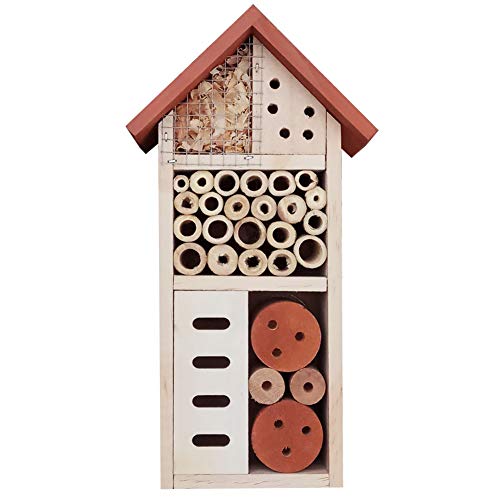
Shelter for Insect: Lulu Home wooden insect house attracts insects to your garden, and provides them with a safe environment to live, lay eggs, pass the winter or just take shelter from the rain.

ALL-NATURAL & BUILT TO LAST: Crafted from premium natural wood with a weather-resistant roof, this insect hotel is treated with non-toxic, odorless waterproof coating for long-lasting use. Filled with bamboo tubes, pine cones, and other natural materials, it offers a safe habitat for beneficial insects.
Creating an Inviting Habitat for Beneficial Insects in Your Green Bean Garden
To encourage beneficial insects into your green bean garden, you need to create a welcoming environment that meets their basic needs. Here’s how you can do it:
- Plant a variety of pollen and nectar-rich flowers such as daisies and marigolds to attract ladybugs and bees. This provides them with a food source to thrive on.
- Incorporate bee-friendly flowers like lavender and sunflowers to specifically attract bees, enhancing pollination in your garden.
- Provide shelter for beneficial insects by adding rock piles, logs, or insect hotels. These spaces offer a safe refuge for them to rest and lay eggs.
- Ensure there are water sources nearby, such as a shallow dish with fresh water or a birdbath. Beneficial insects need water to survive, especially during hot weather.
- Avoid chemical pesticides as they can harm beneficial insects. Instead, opt for natural pest control methods like companion planting and hand-picking pests.
By taking these steps, you can create an inviting habitat that will not only attract but also sustain a diverse range of beneficial insects in your green bean garden.
Recommended Products

SPACIOUS DOUBLE-DECK DESIGN: Significantly larger than standard models, this deluxe insect hotel features a roomy two-story structure that provides ample nesting space for a variety of beneficial insects. The multi-chamber design attracts solitary bees, butterflies, lacewings, and ladybugs, helping to increase biodiversity in your backyard.

Durable & Attractive: Made from sturdy pine wood, this bug house both durable and visually appealing. Each compartment is filled with natural, safe materials like bamboo, Cones, and small stakes, ensuring a healthy environment for beneficial insects.

Constructed with durable and natural cedar wood, this house includes a ground stake
Implementing Companion Planting to Attract and Support Beneficial Insects
When implementing companion planting in your garden, you can strategically choose plants that not only benefit your green beans but also attract and support beneficial insects. Here’s how you can create a diverse and insect-friendly garden:
- Diverse Plant Selection:
- Choose a variety of pollen and nectar-rich flowers like daisies, marigolds, and zinnias to attract pollinators such as bees and butterflies.
- Incorporate bee-friendly flowers like lavender, sunflowers, and coneflowers to provide a food source for bees.
- Interplanting Vegetables:
- Mix in vegetables like basil, parsley, and dill among your green beans to attract predatory insects like ladybugs.
- Plant nasturtiums to deter pests and serve as a trap crop for aphids, protecting your green beans.
- Herbs and Perennials:
- Integrate herbs such as mint, cilantro, and fennel to attract hoverflies and parasitic wasps that prey on garden pests.
- Include perennials like echinacea and yarrow to support a more permanent habitat for beneficial insects.
- Complementing Plant Benefits:
- Pairing complementary plants helps in repelling pests that might harm your green beans, making your garden more inviting to beneficial insects.
- Diverse plant species create a thriving ecosystem that attracts a wide range of insects, ensuring a balanced and harmonious environment.
By following these companion planting strategies, you can create an insect-friendly green bean garden that not only enhances plant growth but also supports a robust population of beneficial insects.
Recommended Products


RESEALABLE POUCH FOR MAXIMUM SEED FRESHNESS: Wildflower seeds are packaged in a durable, resealable pouch designed to protect against moisture, air, and light exposure. This prevents mold, premature germination, and seed damage-ensuring long-lasting viability, higher germination rates, and reliable planting results

Flower Seeds: Premium bulk package of wildflower seeds to establish a colorful garden filled with red flowers, orange flowers, yellow flowers, blue flowers, pink flowers, purple flowers and more!
Maintaining a Balanced Ecosystem for Long-Term Insect Management
To create a harmonious environment for beneficial insects in your green bean garden, consider these strategies:
- Diverse Plant Selection: Plant a variety of flowers and herbs to attract various beneficial insects.
- Avoid Pesticides: Minimize pesticide use to preserve the insect population in your garden.
- Companion Planting: Grow plants that naturally repel pests or attract beneficial insects.
- Provide Shelter: Incorporate shrubs, rocks, or mulch to offer hiding spots for insects.
- Water Source: Ensure there is a water source nearby for insects to hydrate.
By implementing these practices, you can sustain a thriving ecosystem that nurtures beneficial insects and minimizes the need for chemical interventions.
| Key Points | |
|---|---|
| Diverse Plant Selection | Planting various flowers and herbs attracts different beneficial insects. |
| Avoid Pesticides | Minimizing pesticide use preserves the insect population. |
| Companion Planting | Certain plants repel pests or attract beneficial insects. |
| Provide Shelter | Offering hiding spots like shrubs, rocks, or mulch supports insect habitats. |
| Water Source | Ensure there’s water nearby for insects to stay hydrated. |
Conclusion
You now have a toolbox of strategies to welcome beneficial insects into your green bean garden. By embracing diverse plant selections, minimizing pesticide use, practicing companion planting, offering shelter, and ensuring access to water, you’re creating a harmonious environment for these helpful creatures. Remember, these small allies play a vital role in maintaining a healthy ecosystem within your garden. So, keep up the good work and watch as your garden flourishes with the presence of these beneficial insects. Happy gardening!
Frequently Asked Questions
What are some strategies for long-term insect management in green bean gardens?
To maintain a balanced ecosystem for long-term insect management in green bean gardens, consider strategies like diverse plant selection, minimizing pesticide use, companion planting, providing shelter through shrubs and rocks, and ensuring a nearby water source for insects.
How can gardeners attract beneficial insects to their green bean gardens?
Gardeners can attract beneficial insects to their green bean gardens by choosing diverse plants, practicing companion planting, providing habitat through shrubs and rocks, and offering a nearby water source for insect hydration.
Why is it important to reduce pesticide use in green bean gardens?
Reducing pesticide use in green bean gardens is crucial to preserve the insect population, including beneficial insects that play a vital role in natural pest control and maintaining a balanced ecosystem.
What role does companion planting play in insect management in green bean gardens?
Companion planting in green bean gardens helps attract beneficial insects that contribute to natural pest control, creating a more sustainable and balanced ecosystem for long-term insect management.
