

Ever wondered if your grapes could use a green bean buddy? Picture this: your grapevines soaking up the sun, intertwined with vibrant green bean plants. Sounds like a match made in gardening heaven, right? But can you really grow green beans as companions for your grapes?
In this article, we’ll dive into the fascinating world of companion planting and explore the potential benefits of pairing green beans with grapevines in your garden. Discover how these two plants could team up to not only enhance your garden’s aesthetics but also boost each other’s growth and health. Ready to unveil the secrets of this dynamic duo? Let’s explore the possibilities together.
Understanding Companion Planting
When it comes to companion planting, the idea is simple: growing certain plants together can benefit each other in various ways. Green beans and grapes make an interesting pair in this regard.
Benefits of Companion Planting:
- Improved Garden Health: Certain plants naturally repel pests that might harm their companion plants.
- Nutrient Sharing: Some plants fix nitrogen in the soil, benefiting neighboring plants.
- Increased Biodiversity: Different types of plants can create a more balanced ecosystem, reducing the chances of pest outbreaks.
Compatibility Factors:
- Space: Ensure that the plants have enough room to grow comfortably without overshadowing each other.
- Watering Needs: Plants should have similar watering requirements to thrive together.
- Harvest Time: Consider the timing of harvest for each plant to ensure compatibility.
Successful Pairing Examples:
- Marigolds and Tomatoes: Marigolds can repel pests that commonly affect tomatoes.
- Basil and Peppers: Basil can enhance the flavor of peppers while deterring pests.
- Color Contrasts: Combining plants of different colors can add visual interest to your garden.
- Texture Variety: Mixing plants with different leaf shapes and sizes can create a visually appealing landscape.
Benefits of Pairing Green Beans with Grapevines
Wondering about the benefits of growing green beans as a companion plant for grapevines? It’s not just about maximizing space, but also about creating a harmonious environment that benefits both plants. Let’s explore the advantages of this plant pairing:
- Nutrient Fixation: Green beans, with their ability to fix nitrogen in the soil, can provide an excellent nitrogen source for grapevines.
- Biodiversity: By planting green beans near grapevines, you can increase biodiversity in your garden, attracting beneficial insects and improving soil quality.
- Natural Pest Control: Green beans can act as a natural pest repellent for grapevines, reducing the need for chemical pesticides.
- Shade and Ground Cover: The sprawling nature of green beans can provide shade for the soil around grapevines, helping with moisture retention and weed suppression.
Wondering how to make the most of this dynamic duo? Here are some tips for successfully pairing green beans with grapevines:
- Planting Distance: Space your green beans close enough to benefit the grapevines but ensure they don’t compete for resources.
- Support Structures: Consider providing trellises or support for green beans to grow vertically, keeping them from overshadowing the grapevines.
- Watering Needs: Be mindful of the differing watering needs of green beans and grapevines, adjusting irrigation accordingly.
- Harvest Timing: Coordinate the planting and harvesting schedule of both plants to optimize their growth and yield.
How Green Beans and Grapes Complement Each Other
When it comes to green beans and grapes in companion planting, their relationship in the garden is quite symbiotic. Here’s how these two plants complement each other:
- Green Beans Fix Nitrogen: Green beans are legumes that have specialized nodules on their roots housing nitrogen-fixing bacteria. This ability to fix nitrogen from the air enriches the soil, benefiting neighboring plants like grapes.
- Shade and Ground Cover: Green beans, with their sprawling growth habit, provide shade to the soil. This shade helps keep the grapevine roots cool during hot weather and helps in moisture retention around the grape roots.
- Biodiversity and Pest Control: The diverse root systems of green beans and grapes can enhance soil health by promoting beneficial microbial activity. Additionally, green beans’ ability to deter pests like aphids can benefit nearby grapevines.
- Harvest Coordination: Green beans and grapevines have different harvest times, allowing you to stagger your harvests and maximize the productivity of your garden space.
By understanding how green beans and grapes work together, you can create a harmonious garden that supports the growth and well-being of both plants.
Recommended Products
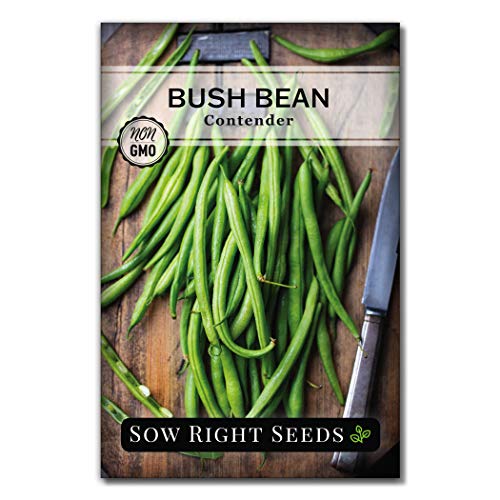
Beautiful - Large premium seed packet of Contender Bush Bean (Phaseolus vulgaris) seeds. Minimum of 16.5g per packet (about 30 seeds). Stringless bush bean that matures early and produces high yields. Adaptable, performing well in short, cool growing seasons or in hot weather. Beans are 5-8" long and retain their flavor when frozen or canned.
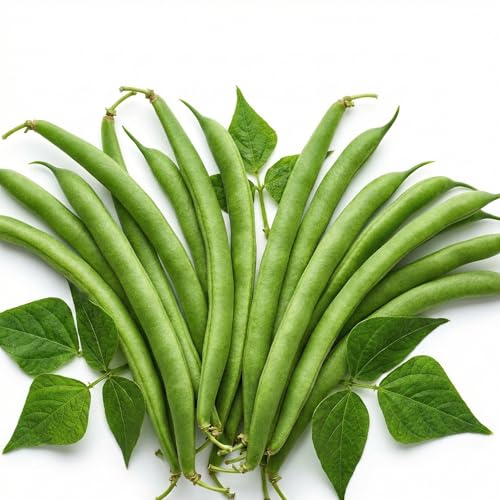
Dependable bush snap bean, Provider green bean (Phaseolus vulgaris); open-pollinated heirloom (released 1966); valued for cooler spring weather performance vs many beans; tender pods for fresh eating, freezing, and canning

🫘 Burpee Stringless Green Bean is a classic bush bean variety known for its smooth, tender green pods and reliable summer production. The pods grow straight and crisp with a clean texture that’s ideal for frequent harvesting, making this variety a dependable choice for raised beds, garden rows, and compact growing spaces where consistent yields matter.
Tips for Successfully Growing Green Beans with Grapes
Planting green beans alongside grapes can create a beneficial environment for both. Here are some tips to ensure successful growth:
- Choose the Right Varieties: Opt for bush green beans as they are more compatible with grapevines than climbing varieties.
- Space Management: Plant green beans in patches next to grapevines, ensuring they don’t overshadow or compete with each other.
- Support for Green Beans: Provide stakes or cages for green beans to climb to avoid them encroaching on grape growth.
- Pruning Practices: Regularly prune green beans to prevent them from crowding out grapevines and impeding air circulation.
- Soil Health: Prioritize soil rich in organic matter and ensure good drainage to support the growth of both plants.
- Watering Needs: Water both green beans and grapes adequately, avoiding overwatering which can lead to root rot.
- Companion Planting: Consider adding other beneficial companion plants like marigolds to encourage a healthy ecosystem.
- Pest Control: Keep an eye out for pests that may affect either plant and use natural remedies or deterrents to mitigate damage.
By following these tips, you can create a thriving garden where green beans and grapes flourish together.
Recommended Products

🧑🌾 Jade Bush Bean Seeds – A classic bush-type snap bean that grows compactly without the need for trellising. Plants produce straight, deep green pods with a clean snap and tender texture, making them a dependable choice for fresh picking and kitchen use throughout the summer season.

High Germination Rate: Heirloom seeds sprout in 5–10 days. Ideal greenbeans for USDA zones 3–11, gardens, raised beds, and containers. Blue lake bush bean seeds have been known in the canning industry for years because of its reliability, huge yields and disease resistance.

THE ULTIMATE GARDEN CONTENDER: Why is it called "Contender"? Because it’s a top-tier candidate for the #1 spot in your garden. This award-winning bush bean delivers early, heavy yields in just 50 days, outperforming other varieties in speed and reliability.
Conclusion
Growing green beans as a companion plant for grapes can enhance your garden’s ecosystem. By selecting the right varieties, spacing them properly, providing support, and maintaining soil health, you can create a harmonious environment where both plants thrive. Remember to prune, water, consider companion planting, and manage pests to ensure a successful garden. With these strategies in place, you can enjoy a bountiful harvest of green beans and grapes while promoting a healthy and balanced garden ecosystem. Happy gardening!
Frequently Asked Questions
How can I ensure successful growth of green beans and grapes together in my garden?
To ensure successful growth of green beans and grapes together, choose suitable varieties, manage spacing effectively, provide support for green beans, practice proper pruning, maintain soil health, meet watering needs adequately, consider companion planting with beneficial plants like marigolds, and implement pest control measures diligently. By following these tips, you can create a flourishing garden where green beans and grapes thrive in harmony.
