

Ever wondered if green beans and potatoes make good neighbors in your garden? Picture this: you’re planning your vegetable patch, and you’re not sure if these two companions will get along. Should you plant them side by side or keep them apart? That’s the big question on your mind, isn’t it?
Imagine the convenience of having your green beans and potatoes thrive harmoniously in close proximity. In this article, we’ll explore the fascinating world of companion planting and reveal whether these veggies can indeed be planted together. You’ll discover the secrets to maximizing your garden space and yields while fostering a symbiotic relationship between your green beans and potatoes.
Get ready to unlock the potential of your garden and cultivate a flourishing ecosystem where green beans and potatoes coexist seamlessly. Let’s delve into the intriguing realm of companion planting and uncover the possibilities that await when you strategically pair these crops in your garden.
Benefits of Companion Planting
When it comes to companion planting, the practice of growing different plants in close proximity to enhance each other’s growth, there are several benefits to consider:
- Pest Control: Pairing green beans and potatoes can help deter pests. For example, marigolds, often planted with these vegetables, repel beetles and other harmful insects.
- Soil Health: Green beans, being legumes, fix nitrogen in the soil, which benefits potatoes as they are heavy nitrogen feeders. This natural process improves soil fertility.
- Space Optimization: By intercropping green beans and potatoes, you maximize your garden space. The vertical growth of beans can provide shade for the lower-growing potatoes, allowing both crops to thrive side by side.
| Benefits of Companion Planting |
|—————-|——————-|
| Pest Control | Deters harmful insects |
| Soil Health | Improves fertility through nitrogen fixation |
| Space Optimization | Maximizes garden space efficiently |
By leveraging the symbiotic relationship between green beans and potatoes through companion planting, you can create a productive and harmonious garden.
Understanding the Relationship Between Green Beans and Potatoes
When considering companion planting in your garden, understanding the symbiotic relationship between green beans and potatoes is essential. Here’s a breakdown of how these two veggies interact and benefit each other:
- Nitrogen Fixation: Green beans are legumes that have the remarkable ability to fix nitrogen in the soil. This means they work with bacteria to convert nitrogen from the air into a form that plants can use, benefiting not only themselves but also neighboring plants like potatoes.
- Pest Control: Planting green beans next to potatoes can act as a natural pest repellent. For instance, green beans can help deter harmful insects that may target potatoes, creating a more balanced ecosystem in your garden.
- Space Optimization: By combining green beans and potatoes in your garden, you make the most of your available space. This practice, known as intercropping, allows you to maximize yields and cultivate a diverse range of produce in a limited area.
- Harmonious Growth: The symbiosis between green beans and potatoes fosters a harmonious environment where both plants thrive. This mutualistic relationship not only benefits the individual plants but also contributes to the overall health of your garden.
Incorporating green beans alongside potatoes can lead to a productive garden that flourishes with health and abundance. As you plan your planting strategy, keep in mind the benefits this dynamic duo can bring to your garden landscape.
Ideal Growing Conditions for Green Beans and Potatoes
When planting green beans and potatoes together, it’s essential to consider their ideal growing conditions to ensure a successful harvest. Here’s what you need to know:
- Sunlight: Both green beans and potatoes thrive in full sun, so choose a sunny spot in your garden for planting.
- Soil: Opt for well-draining soil that is loamy and rich in organic matter to support the growth of green beans and potatoes.
- pH Levels: The ideal pH level for green beans ranges from 6.0 to 7.0, while potatoes prefer a slightly acidic soil with a pH of around 5.8 to 6.5.
- Temperature: Green beans and potatoes prefer warm soil temperatures for optimal growth. Plant them once the soil temperature reaches at least 60°F (15.6°C).
- Watering: Keep the soil consistently moist but not waterlogged to support the growth of both green beans and potatoes throughout the growing season.
- Spacing: Plant green beans and potatoes with adequate spacing to allow for proper air circulation, which helps prevent diseases and ensures healthy growth.
- Support: Consider providing trellises or stakes for climbing green beans to support their growth and prevent them from sprawling on the ground.
By understanding and meeting the specific growing requirements of green beans and potatoes, you can create an optimal environment for these companion plants to thrive side by side in your garden.
Recommended Products

Reliable Plant Climbing Support: Built for cucumber trellis, tomato cage for garden trellis, pea trellis for garden, bean trellis and green bean trellis use, this U-shaped garden trellis guides vegetable vines upward for cleaner growth, better airflow and easier harvesting in outdoor garden beds.

Versatile A Frame Design: Garden cucumber trellis features a detachable A frame structure, allowing you to easily adjust the width for compact storage. This vertical plant grow support maximizes sunlight exposure, improving the quality of fruits and vegetables while increasing overall harvest yield.

Cage Size Info - 1/2 inch Diameter, Length 6ft / 71 inch, 6-Pack total.
Tips for Planting Green Beans Next to Potatoes
When planting green beans alongside potatoes, there are a few key tips you should keep in mind to ensure a successful harvest. Here are some practical suggestions to guide you:
Crop Rotation Benefits:
- Rotating potatoes and green beans each year can help prevent diseases and improve soil health.
Complementary Growth:
- Potatoes can provide shade for the green beans during the hottest part of the day, benefiting both plants.
Planting Depth:
- Green beans are typically planted deep, while potatoes are planted shallow. Keep this in mind when planning your garden layout.
Spacing Considerations:
- Ensure proper spacing between potato hills and green bean rows to prevent overcrowding and facilitate growth.
Support Structures:
- Consider installing trellises or cages for green beans to climb and thrive while not overshadowing potato plants.
Watering Needs:
- Be mindful of the differing watering needs of green beans and potatoes. Green beans prefer moderate water, while potatoes need consistent moisture.
- Green beans are typically ready for harvest sooner than potatoes. Plan your planting schedule accordingly for a continuous harvest.
Incorporating these tips into your gardening routine can help you successfully cultivate green beans and potatoes together, creating a harmonious and productive garden space.
Recommended Products

【Rust-Resistant Material】: Cucumber trellis is constructed with high-quality galvanized steel inner pipes and an exterior plastic coating, forming a dual-layer rust-proof barrier to ensure long-lasting durability

Small Size - Length: 10.2"/26 cm; Upside width: 6.1"(15.5 cm); Underside width: 2.2"(5.5 cm), perfect small trellis for potted plants. Dark green makes it invisible for beauty

Heavy Duty Metal Trellis, Stability for All Climbing Plants: Crafted with 0.6mm thick stainless steel and a 0.63-inch reinforced center pole, this garden trellis for climbing plants outdoor is built to last. It stands firm through wind and rain, providing season-long support for pole beans, snap peas, tomatoes, cucumbers, and flowering vines like bougainvillea and morning glory.
Maintaining a Healthy Garden Ecosystem
In planting green beans next to potatoes, you’re not just growing two crops but nurturing a balanced ecosystem in your garden. Here are some key aspects to consider for maintaining a flourishing garden:
Diversity is Key
- Intercropping: By pairing green beans and potatoes, you enhance biodiversity and reduce the risk of pests and diseases. Each plant offers unique benefits that support the overall health of your garden.
Promoting Soil Health
- Nitrogen Fixation: Green beans are legumes that naturally fix nitrogen into the soil, enriching it for other plants like potatoes that require ample nitrogen for growth.
- Preventative Effects: The diverse partnership between green beans and potatoes helps deter pests and diseases, promoting a healthier soil environment.
- Crop Rotation: Alternating green beans and potatoes in your garden helps maintain soil fertility, reduces nutrient depletion, and breaks pest cycles.
- Companion Planting: Green beans and potatoes complement each other’s needs, fostering a symbiotic relationship that benefits both crops.
- Watering Needs: While green beans require more regular watering, potatoes prefer well-drained soil to prevent rot. Find a balance to meet the needs of both plants for optimum growth.
- Harvest Timings: Plan your harvesting schedule smartly – green beans are typically ready for harvest earlier than potatoes. This staggered approach ensures a continuous supply of fresh produce.
| Key Points | Values |
|---|---|
| Number of Crops Planted | 2 |
| Common Benefit | Enhancing Biodiversity |
| Soil Enrichment | Nitrogen Fixation |
| Sustainable Practice | Crop Rotation |
| Watering Needs | Varied |
| Harvest Timings | Staggered |
Recommended Products
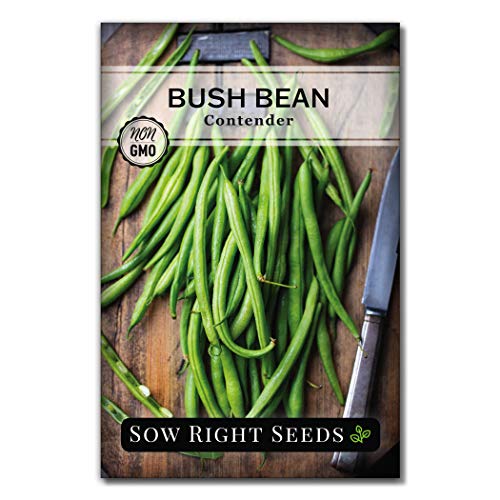
Beautiful - Large premium seed packet of Contender Bush Bean (Phaseolus vulgaris) seeds. Minimum of 16.5g per packet (about 30 seeds). Stringless bush bean that matures early and produces high yields. Adaptable, performing well in short, cool growing seasons or in hot weather. Beans are 5-8" long and retain their flavor when frozen or canned.

HEIRLOOM TRI COLOR BEAN BLEND - Tri color bush bean seeds (Phaseolus vulgaris) produce a vibrant mix of green Provider, yellow Golden Wax, and purple Royal Burgundy beans, combining multiple heirloom varieties for a diverse and productive garden harvest
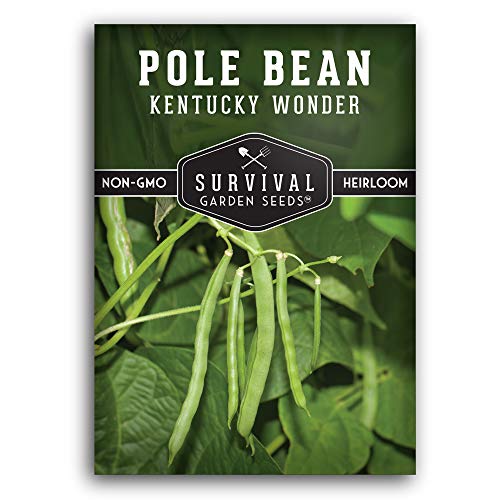
CLIMBING POLE BEANS SEEDS - Kentucky Wonder pole bean (Phaseolus vulgaris) seeds produce vigorous vines that climb trellises, fences, and poles, maximizing vertical space and increasing production in compact garden areas
Conclusion
You’ve learned about the benefits of planting green beans next to potatoes. By embracing diversity in your garden, you can create a harmonious ecosystem that supports the growth of both crops. Remember to rotate your crops, practice companion planting, and maintain a balanced watering routine. By following these strategies, you can enjoy a bountiful harvest while promoting soil health and natural pest control. Happy gardening!
Frequently Asked Questions
Q: Why should I plant green beans alongside potatoes in my garden?
A: Intercropping green beans with potatoes enhances garden diversity, with green beans fixing nitrogen in the soil, benefiting nitrogen-demanding potatoes.
Q: What are the benefits of maintaining a healthy garden ecosystem?
A: A healthy garden ecosystem through intercropping supports soil health, pest prevention, and sustainable gardening practices.
Q: How can I ensure a flourishing garden when planting green beans and potatoes together?
A: Practice crop rotation, companion planting, balanced watering, and strategic harvesting for continuous fresh produce and overall garden health.
