

Benefits of Community Supported Agriculture Programs
Community Supported Agriculture (CSA) programs offer numerous benefits, making them a popular choice among both farmers and consumers. Here are some advantages of participating in a CSA program:
- Access to Fresh Produce: With a CSA program, you’ll have access to fresh and locally grown produce. This means you get to enjoy fruits and vegetables at their peak ripeness, often harvested just hours before pickup.
- Supporting Local Farmers: By joining a CSA program, you are directly supporting local farmers and their families. This support helps sustain small-scale agriculture and promotes food diversity in your community.
- Environmental Benefits: CSA programs promote sustainable farming practices that are better for the environment. You can feel good knowing that you are contributing to the preservation of natural resources and reducing the carbon footprint of your food.
- Community Building: Participating in a CSA program fosters a sense of community among members. You have the opportunity to connect with fellow members, share recipe ideas, and even visit the farm where your food is grown.
- Healthier Eating Habits: By receiving a variety of seasonal fruits and vegetables, you are encouraged to incorporate more nutritious options into your diet. This can lead to healthier eating habits and a greater appreciation for fresh, whole foods.
- Educational Opportunities: CSA programs often provide educational resources about farming practices, seasonal eating, and food preservation. You can learn more about where your food comes from and how it’s grown.
| Statistic | Data |
|---|---|
| Number of CSA Farms in the US | 8,700 |
| Households Participating | Over 150,000 |
| Average CSA Membership Cost | $500-$700 per season |
What are Green Beans?
Green beans, also known as string beans, are nutrient-rich vegetables that belong to the legume family. They are a popular choice among gardeners and farmers due to their easy cultivation and versatility in cooking. Young, tender green beans are harvested before the seeds inside have fully developed, giving them their characteristic crisp texture and sweet flavor.
These vibrant pods come in different varieties, such as bush beans or pole beans, each with its unique growth habit. Bush beans are compact plants that don’t require support, making them ideal for smaller spaces, while pole beans grow as climbing vines, needing tall structures to twine around as they reach for the sun.
When it comes to nutritional value, green beans are a great source of vitamins like vitamin C and vitamin K, as well as minerals such as manganese and potassium. They are also low in calories and high in fiber, making them a healthy addition to your diet.
In a CSA program, including green beans can diversify the selection of produce available to members, offering a fresh and tasty option that can be enjoyed in various culinary preparations. Whether sautéed, steamed, stir-fried, or added to salads, green beans provide nutritional benefits and delicious flavors for you and your family to enjoy.
Growing Green Beans in a CSA Program
Choosing the right variety: Opt for bush beans if space is a concern, or pole beans for vertical growth.
Preparing the soil: Ensure well-draining soil with plenty of organic matter for healthy growth.
Planting tips: Sow green beans directly into the ground after the last frost for best results.
Spacing and support: Space seeds or seedlings about 4-6 inches apart and provide trellises for pole beans.
Watering and care: Keep the soil consistently moist and watch out for pests like aphids.
| Planting Time | Harvest Time | Yield per Plant |
|---|---|---|
| Spring | Summer | 1-2 pounds |
Recommended Products
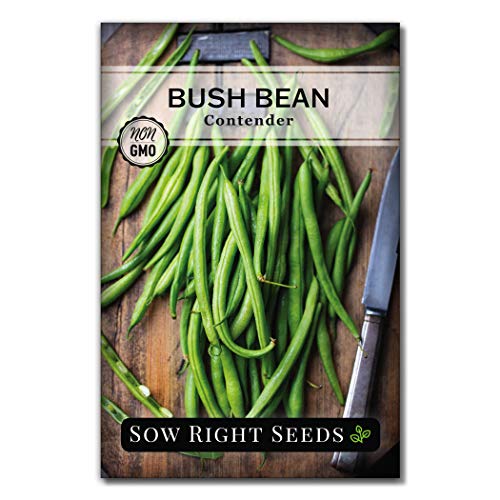
Beautiful - Large premium seed packet of Contender Bush Bean (Phaseolus vulgaris) seeds. Minimum of 16.5g per packet (about 30 seeds). Stringless bush bean that matures early and produces high yields. Adaptable, performing well in short, cool growing seasons or in hot weather. Beans are 5-8" long and retain their flavor when frozen or canned.
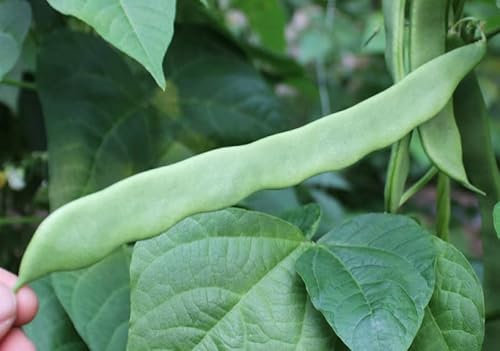
DO NOT soak more than 2 hours before planting. Too much soaking in water and a seed will drown. Google "amyestore edible garden" to check out our experiments of growing Romano pole beans

High Germination Rate: Heirloom seeds sprout in 5–10 days. Ideal greenbeans for USDA zones 3–11, gardens, raised beds, and containers. Blue lake bush bean seeds have been known in the canning industry for years because of its reliability, huge yields and disease resistance.
Best Practices for Growing Green Beans in a CSA
To ensure successful green bean cultivation in your Community Supported Agriculture (CSA) program, follow these best practices:
- Select the Right Variety: Choose bush beans for limited space and quick harvesting, or pole beans for higher yields.
- Prepare the Soil: Enhance soil fertility with compost or organic matter before planting to promote healthy growth.
- Timing is Key: Plant green beans after the final frost for optimal germination and growth.
- Proper Spacing: Space seeds or transplants about 4-6 inches apart to prevent overcrowding.
- Support Structures: Install trellises or stakes for pole beans to climb, keeping the plants off the ground for better air circulation.
- Consistent Watering: Keep the soil consistently moist but not waterlogged to promote steady growth.
- Pest Management: Monitor for common pests like aphids and implement appropriate control measures to protect your green bean crop.
- Harvest Timely: Harvest green beans regularly once they reach desired size to encourage continuous production.
- Yield Expectations: With proper care, each green bean plant can yield around 1-2 pounds of fresh produce.
Recommended Products

【Package included】:Crafted from robust hollow steel, this garden stakes features a fade-resistant green plastic coating, offering reliable protection against wind, rain, and rust. This Trellis for Climbing Plants Outdoor comes complete with everything you need to get started: 17pcs metal stakes, 8pcs T shape connect pipe, 2 A-shaped connectors, and a 0.9x1.8meter bird net.

[DURABLE AND STURDY] Crafted from robust hollow steel, this garden stakes features a fade-resistant green plastic coating, offering reliable protection against wind, rain, and rust. With anti-slip ridges, it's easy to tie on plant ties, aiding in plant climbing. the pointed bottom design of tomato stakes enables effortless soil insertion, ensuring a secure anchoring effect with minimal effort

UNIQUE STYLING DESIGN: Fit perfectly with the plants in the pot, the branch shape fits better with the plant itself, allowing PERSZEN monstera plant support suitable for almost all types of potted plants without standing out. The green color of plant trellis indoor makes it easier to blend in with the plants, providing support for your plants without affecting the aesthetics
Conclusion
Growing green beans in a Community Supported Agriculture (CSA) program can be a rewarding experience. By following the best practices outlined in this article, you can ensure a successful harvest of fresh and nutritious green beans for your community. Selecting the right variety, preparing the soil, spacing seeds properly, and managing pests are key steps to consider. Remember to provide consistent watering and timely harvesting to maximize your yield. With dedication and proper care, green beans can thrive in a CSA setting, offering members a delicious and sustainable source of produce. Happy planting!
Frequently Asked Questions
What are the best practices for growing green beans in a CSA program?
To grow green beans successfully in a CSA program, select the appropriate variety (bush or pole), prep the soil with compost, plant after the last frost, space seeds correctly, use supports for pole beans, water consistently, manage pests like aphids, harvest in a timely manner, and expect a yield of 1-2 pounds per plant.
Which green bean variety is suitable for limited space in a CSA program?
For limited space in a CSA program, opt for bush beans as they do not require support structures and have a more compact growth habit, making them ideal for small gardening areas.
How can I ensure a high yield of green beans in a CSA program?
To achieve a high yield of green beans in a CSA program, ensure proper soil preparation, adequate spacing between seeds, consistent watering, utilization of support structures for pole beans, timely pest management, and regular harvesting to encourage continuous production.
What is the expected yield per green bean plant in a CSA program?
In a CSA program, you can anticipate an average yield of approximately 1-2 pounds of green beans per plant, depending on factors like variety, soil quality, watering consistency, and pest management practices.
