

Ever wondered how to give your soil a natural boost that benefits both your plants and the environment? Imagine a scenario where your garden flourishes with vibrant green beans while the soil underneath thrives with life. In this article, you’ll discover the incredible potential of green beans in enhancing soil health.
Have you ever struggled with depleted soil that hinders your gardening efforts? Picture a garden where the soil is rejuvenated, teeming with nutrients and beneficial organisms, thanks to the power of green beans. By the end of this article, you’ll uncover the secrets of how green beans can transform your soil into a fertile haven for your plants to thrive.
Ready to unlock the secrets of soil enrichment through the humble green bean? Get ready to delve into the world of sustainable gardening practices and witness firsthand the wonders that green beans can work for your soil health.
Understanding Soil Health
Understanding soil health is crucial for successful gardening. Healthy soil is teeming with life, including beneficial microbes and organisms that support plant growth. It’s like a bustling city underground, with different inhabitants playing vital roles in nutrient cycling and soil structure.
- Healthy soil holds moisture better and reduces water runoff, helping plants thrive.
- It provides essential nutrients to plants, promoting growth and overall health.
To assess soil health in your garden, consider these factors:
- Color and texture: Healthy soil is dark and crumbly, a sign of good organic matter content.
- Earthworm presence: Earthworms indicate good soil structure and nutrient availability.
- Soil compaction: Compacted soil restricts root growth and nutrient uptake.
Improving soil health with green beans involves nitrogen fixation. Green beans are natural nitrogen fixers, which means they convert nitrogen from the air into a form that plants can use. This process enriches the soil, benefitting other plants in your garden.
- Rotate your crops: Planting green beans in different areas each season helps maintain soil fertility.
- Add organic matter: Compost and mulch help improve soil structure and provide essential nutrients.
Importance of Green Beans in Soil Enrichment
Enhanced Soil Fertility: Green beans are legumes that have the remarkable ability to fix nitrogen from the air into the soil, increasing nutrient levels for other plants to thrive.
Diverse Microbial Community: By hosting beneficial bacteria on their roots, green beans promote a healthy soil microbiome, crucial for nutrient cycling and soil structure improvement.
Preventing Soil Erosion: The dense root systems of green beans help hold soil particles together, reducing erosion and protecting the soil structure.
Crop Rotation Benefits: Incorporating green beans into your crop rotation plan can break pest cycles, improve soil aeration, and alleviate nutrient depletion.
Sustainable Soil Management: Green beans offer a natural way to replenish soil nutrients, supporting long-term soil health and reducing the need for synthetic fertilizers.
Balanced Soil pH: Green beans aid in balancing soil pH levels, creating an environment where plants can access nutrients effectively.
| Key Fact | Value |
|---|---|
| Nitrogen fixed per acre by green beans | 100-200 lbs |
| Recommended crop rotation frequency with green beans | Every 2-3 years |
| Average root depth of green beans | 1-3 feet |
Recommended Products

Made for Nitrogen Support – Formulated to supply nitrogen for essential plant nutrition.
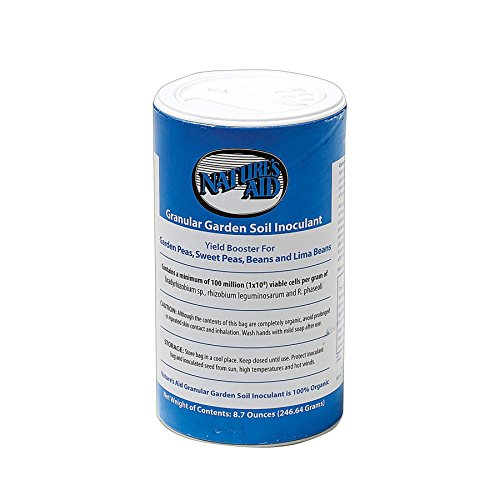
Natural Nitrogen Boost: Nature’s Aid introduces live nitrogen-fixing bacteria directly into your soil, enhancing its ability to support robust plant growth. By improving the nitrogen cycle naturally, this inoculant reduces the need for synthetic fertilizers while promoting healthy root development and vigorous foliage.

High Germination Rate: Heirloom seeds sprout in 5–10 days. Ideal greenbeans for USDA zones 3–11, gardens, raised beds, and containers. Blue lake bush bean seeds have been known in the canning industry for years because of its reliability, huge yields and disease resistance.
The Science Behind Green Beans and Soil Improvement
Growing green beans benefits soil health in various ways. As legumes, they have a unique ability to fix nitrogen from the air into the soil, enriching it for other plants. Their roots also foster a diverse microbial community, aiding in nutrient recycling and soil structure enhancement.
When you rotate crops and include green beans, they help break pest cycles, enhance soil aeration, and balance soil pH levels. This promotes long-term soil health and sustainability.
Incorporating green beans every 2-3 years can make a significant difference in your soil quality. By fixing 100-200 lbs of nitrogen per acre, they play a crucial role in sustainable soil management practices. The dense root system of green beans, with an average depth of 1-3 feet, also helps prevent soil erosion effectively.
Practical Tips for Incorporating Green Beans in Soil Management
When considering green beans in your soil management plan, here are some practical tips to help you make the most of their benefits:
- Crop Rotation: Rotate green beans with other crops every 2-3 years to maximize soil enhancement benefits.
- Planting Depth: Plant green beans at a depth of 1-1.5 inches to ensure proper root development and nitrogen fixation.
- Spacing: Leave about 2-4 inches between green bean seeds to allow for optimal growth and root expansion.
- Weed Control: Regularly weed around green bean plants to prevent competition for nutrients and sunlight.
- Watering: Keep the soil consistently moist but not waterlogged to support healthy green bean growth.
- Harvesting: Harvest green beans regularly to encourage continuous production and maintain plant vigor.
By following these practical tips, you’ll be well on your way to harnessing the soil health benefits that green beans have to offer.
Recommended Products
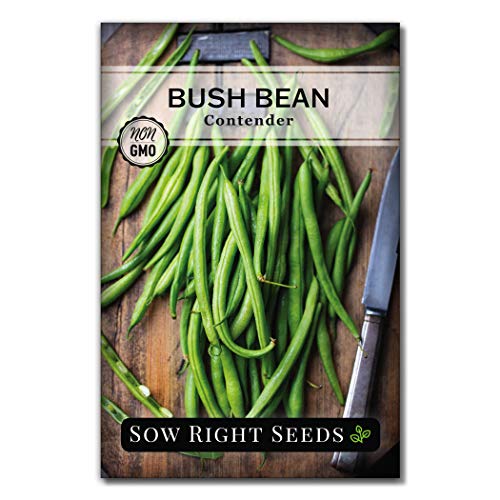
Beautiful - Large premium seed packet of Contender Bush Bean (Phaseolus vulgaris) seeds. Minimum of 16.5g per packet (about 30 seeds). Stringless bush bean that matures early and produces high yields. Adaptable, performing well in short, cool growing seasons or in hot weather. Beans are 5-8" long and retain their flavor when frozen or canned.

THE ULTIMATE GARDEN CONTENDER: Why is it called "Contender"? Because it’s a top-tier candidate for the #1 spot in your garden. This award-winning bush bean delivers early, heavy yields in just 50 days, outperforming other varieties in speed and reliability.

5 HEIRLOOM DRY BEAN SEED VARIETIES – Pinto (Phaseolus vulgaris), Fordhook Lima & Jackson Wonder Lima (Phaseolus lunatus), Black-Eyed Pea (Vigna unguiculata), and Chiba Green Soybean (Glycine max); selected for dependable shelling, drying, and food storage use
Maximizing the Benefits: Companion Planting with Green Beans
Green beans are not only delicious and nutritious to eat but also beneficial for soil health when used as part of a companion planting strategy. Incorporating green beans into your garden can help improve soil fertility and structure, leading to healthier plants and higher yields. Here are some key ways to maximize the benefits of companion planting with green beans:
- Nitrogen Fixation: Green beans are legumes that have the unique ability to fix nitrogen in the soil with the help of beneficial bacteria in their root nodules. This process improves the soil’s nitrogen content, which is essential for plant growth.
- Crop Rotation: Rotate your crops every 2-3 years to prevent depletion of soil nutrients and reduce the risk of pests and diseases. Green beans can be an excellent choice for alternating with other crops to maintain soil health.
- Spacing and Depth: Plant green bean seeds at a depth of 1-1.5 inches and space them 2-4 inches apart to ensure proper growth and resource utilization. Adequate spacing allows the plants to access nutrients and sunlight efficiently.
- Weeding and Maintenance: Regularly weed your garden to prevent competition for nutrients with green beans and other plants. Maintaining a weed-free environment promotes soil health and enhances plant growth.
- Moisture Management: Keep the soil moist but avoid overwatering, as waterlogged soil can lead to root rot and other issues. Proper moisture levels are essential for maximizing the growth potential of green beans and other companion plants.
- Harvesting: Harvest green beans regularly to encourage continuous production and maintain plant vitality. Regular harvesting also helps prevent overripening and ensures a steady supply of fresh produce.
Conclusion
You’ve learned about the valuable role green beans play in improving soil health through nitrogen fixation and companion planting. By following key practices like crop rotation, proper planting techniques, regular maintenance, and strategic harvesting, you can harness the benefits of green beans to enhance soil fertility and support the overall health of your plants. Remember, integrating green beans into your gardening routine can be a simple yet effective way to promote a thriving garden ecosystem. So, get out there and start planting those green beans to cultivate healthier soil and happier plants!
Frequently Asked Questions
What are the benefits of companion planting with green beans?
Companion planting with green beans enhances soil health and promotes plant growth. Green beans have nitrogen-fixing abilities that improve soil fertility, benefiting neighboring plants.
Why is crop rotation important when planting green beans?
Crop rotation helps prevent soil depletion and pest build-up. It also promotes better plant growth by preventing the continuous extraction of specific nutrients from the soil.
How should green beans be planted in terms of spacing and depth?
Green beans should be spaced about 4-6 inches apart in rows that are 18-36 inches apart. Plant seeds about 1 inch deep in well-draining soil for optimal growth.
Why is regular weeding and maintenance essential for green beans?
Weeding helps eliminate competition for nutrients and reduces the risk of pest infestation. Regular maintenance ensures healthy plant development and maximizes yield.
How can effective moisture management benefit green bean growth?
Proper moisture levels are crucial for green beans. Consistent watering helps promote healthy root development and overall plant vigor, leading to better yields.
Why is regular harvesting important for green beans?
Regular harvesting encourages continuous production and prevents over-ripening. It also stimulates additional flower and pod production, enhancing plant productivity.
