

Ever wondered if your beet greens will grow back after harvesting? Picture this: you’ve just plucked the vibrant leaves from your beets, and you’re left wondering what happens next. Will they regrow, or is it a one-time deal?
Understanding Beet Greens
When it comes to beet greens, understanding their growth cycle can be fascinating. These vibrant leaves, attached to the root vegetable, play a crucial role in the plant’s life cycle.
Beet greens, often referred to as beet tops, are not just decorative; they are a valuable source of nutrients. Rich in vitamins A, C, and K, as well as minerals like iron and calcium, they are a nutritional powerhouse that you can incorporate into your diet.
Harvesting beet greens can encourage regrowth and a continuous supply. By picking the outer leaves and allowing the inner ones to thrive, you can potentially have a sustainable crop in your garden.
Understanding the basics of beet greens growth can lead to a rewarding experience as you witness their regrowth after being harvested. Just remember to provide them with adequate water, sunlight, and nutrients to ensure a healthy and robust return.
Factors Affecting Regrowth
When it comes to will beet greens grow back, several factors influence the regrowth process. Understanding these elements is crucial for cultivating a thriving beet greens supply in your garden.
- Water: Adequate hydration is essential for promoting regrowth. Ensure your beet greens receive 1-2 inches of water per week to support healthy development.
- Sunlight: Beet greens thrive in full sun conditions. Make sure they receive at least 6-8 hours of sunlight daily for optimum regrowth.
- Soil Nutrients: Providing your beet greens with nitrogen-rich soil can significantly impact their regrowth rate. Consider fertilizing with a balanced fertilizer to boost growth.
- Temperature: Cooler temperatures ranging from 50-75°F are ideal for beet greens’ regrowth. Watch out for extreme heat, as it can impede their development.
- Spacing: Giving your beet greens ample room to grow is vital. Space them at least 3-4 inches apart to prevent overcrowding and allow for proper airflow.
- Harvesting Technique: Opt for selective picking by harvesting the outer leaves of the plant while allowing the inner ones to flourish. This approach encourages continuous regrowth.
- Pest Control: Keep an eye out for common pests like aphids and flea beetles, as they can hinder regrowth. Implement natural pest control methods to safeguard your beet greens.
By paying attention to these essential factors, you can ensure a bountiful and sustainable supply of beet greens for your culinary adventures.
How to Encourage Regrowth
- Prune Correctly: Trimming the outer leaves from the base keeps the plant productive.
- Adequate Watering: Ensure the soil stays consistently moist without becoming waterlogged.
- Beneficial Nutrients: Supply nitrogen-rich fertilizer to boost growth and regrowth.
- Proper Spacing: To avoid competition, leave 6-8 inches between each plant.
- Regular Harvest: Harvest outer leaves, allowing the inner part to continue growing.
- Pest Control: Keep an eye out for pests and apply organic solutions promptly.
| Fact | Data |
|---|---|
| Optimal Spacing | 6-8 inches |
Harvesting Techniques for Continuous Growth
When harvesting your beet greens, focus on picking outer leaves first. Trim them close to the stem. This method encourages the plant to keep producing new leaves for you to enjoy. Make sure not to remove all leaves at once to sustain growth.
Regular harvesting is key to promoting continuous growth of your beet greens. Harvest when the leaves reach 2-4 inches in length to encourage new growth. Be gentle when plucking the leaves to avoid damaging the plant.
Rotate your harvesting zones by picking leaves from different sides of the plant. This strategy allows the plant to recover evenly and continue producing fresh foliage. Remember, the more you harvest, the more your beet greens will grow back.
To extend the harvest season, consider using the cut-and-come-again technique. By regularly clipping outer leaves, you’ll stimulate the plant to generate new growth, providing you with a sustainable supply of tasty greens.
| Optimal Spacing |
|---|
| 6-8 inches |
Recommended Products

Multifunction: The VIBIRIT herb scissors set provides a pair of herb shears, a herb stripper, and a peeler with three different blades. They can help you easily handle a large number of kitchen tasks, such as cutting meat, turkey, and poultry bones. You can not only use it to cut various vegetables, herbs, fruits, cut noodles and even pizza, but also peel potatoes, carrots, zucchini, cucumbers, apples, and avocados. No chopping boards and choppers are needed, bringing more convenience to your kitchen work.
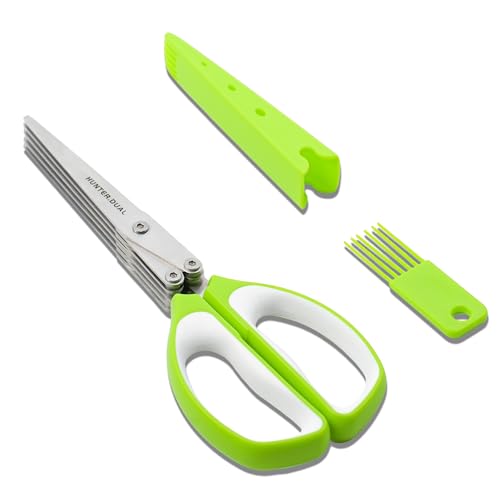
5 Ultra-Sharp Blades For Effortless Cutting - Experience the power of 5 precision stainless steel blades that mince through fresh herbs, green onions, vegetables, and salad ingredients in one swift motion. No more uneven chopping

【Elaborate Designs】Our herb cutter scissor is 5 pairs of blades working at the same time, which is more efficient than the knife or the single blade scissors. Besides, our herb scissor adopts ergonomic curve design in shape, which is suitable for the natural form of the human body, so as to give you a more comfortable grip, reducing the fatigue caused by using scissors
Conclusion
Now that you’ve learned about the best practices for harvesting beet greens to encourage continuous growth, you’re well-equipped to enjoy a bountiful and sustainable supply of fresh greens. Remember to harvest gently, rotate your harvesting zones, and utilize the cut-and-come-again method for optimal regrowth. By following these simple techniques, you can ensure that your beet greens thrive and provide you with delicious and nutritious leaves for your culinary creations. Happy gardening and enjoy the fruits of your labor!
Frequently Asked Questions
What is the key tip for harvesting beet greens for continuous growth?
For continuous growth of beet greens, always pick the outer leaves first, trim them close to the stem, and avoid removing all leaves at once to sustain plant growth.
When should I start harvesting beet greens?
Harvest beet greens when the leaves reach 2-4 inches in length for optimal flavor and tenderness.
How can I ensure continuous production of beet greens?
Rotate harvesting zones to allow for even recovery and continuous foliage production.
What technique can I use to stimulate new growth in beet greens?
Utilize the cut-and-come-again technique by trimming leaves to stimulate new growth for a sustainable supply of greens.
What is the recommended plant spacing for successful regrowth of beet greens?
Maintain a spacing of 6-8 inches between plants to prevent competition and ensure successful regrowth.
