

Ever wondered if those vibrant beets you love are hard to grow in your own garden? Picture this: you’re eager to cultivate your own fresh produce, but you’re not sure where to start. Don’t worry, we’ve got you covered! In this article, we’ll explore whether beets are a challenge or a breeze for home gardeners like yourself.
Benefits of Growing Beets
Growing beets in your home garden brings numerous benefits:
- Nutrient-Packed: Beets are packed with essential nutrients like vitamin C, fiber, and potassium.
- Versatile: You can enjoy beets in various ways – raw, pickled, roasted, or juiced.
- Colorful Addition: Beets add a vibrant pop of color to your meals, making them visually appealing.
- Easy to Grow: They are relatively easy to grow, making them a great option for beginners.
- Space Efficiency: Beets can be grown in small spaces like containers or raised beds.
- Quick Growing Time: They have a short growing period and can be harvested within a few weeks.
Ideal Growing Conditions for Beets
If you’re considering growing beets in your home garden, it’s essential to understand the ideal conditions for successful cultivation. Here are some key factors to keep in mind:
- Sunlight: Beets thrive in full sun but can tolerate partial shade, with at least 6 hours of sunlight a day for optimal growth.
- Soil: Ensure your soil is well-draining, loose, and rich in organic matter. Aim for a pH level between 6.0 and 7.0 for healthy beet development.
- Temperature: Beets prefer cool weather and can tolerate light frost. The ideal soil temperature for planting beets is between 50-85°F.
When preparing your garden for beet cultivation, consider these essential steps:
- Loosen the Soil: Use a garden fork to loosen the soil to a depth of at least 12 inches to promote healthy root growth.
- Remove Rocks: Clear the soil of rocks and debris that may obstruct root development or cause deformed beets.
- Fertilize Wisely: Avoid using excessive nitrogen-rich fertilizers, as they can lead to lush foliage at the expense of root growth.
Choosing the Right Beet Varieties
When selecting beet varieties for your garden, consider the following factors to ensure a successful and satisfying harvest:
- Determine Your Purpose: Are you growing beets for their greens, roots, or both? Different varieties excel in one aspect over the other.
- Consider Your Climate: Certain beet varieties thrive in cool climates, while others do better in warmer regions.
- Choose Based on Growth Time: Decide if you prefer quick-maturing beets or ones that take a bit longer to develop.
- Experiment with Colors: Explore the variety of colors available, from classic red to golden and even striped beets.
By selecting the right beet varieties that align with your preferences and growing conditions, you can enhance your gardening experience and enjoy a bountiful beet harvest.
Recommended Products

TOP-RATED NUTRITIONAL HEIRLOOM: Detroit Dark Red is a premium, high-yielding, and stress-resistant beet variety that stands at the pinnacle of root vegetables. This all-season favorite is a mid-early universal cultivar, perfect for consistent home harvests of professional quality.

ABUNDANT AUTUMN & WINTER HARVEST: Unlock a generous bounty of the finest autumn and winter vegetables from our carefully curated collection. Designed for fast results, effortless care, and high yields, this premium assortment allows you to plant new crops multiple times per season. Experience the joy of growing robust, cold-hardy varieties that thrive in shorter daylight hours and cooler temperatures.
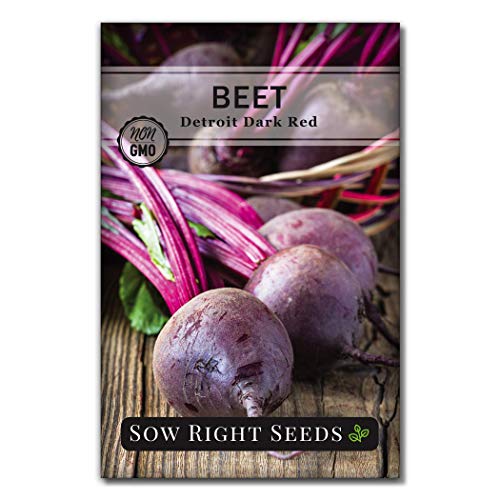
Beautiful - Large premium packet of Detroit Dark Red Beet (Beta var. ‘Detroit Dark Red’) seeds. Vivid, dark red 2-3" round beets have sweet flesh and tasty edible greens. This resilient variety can tolerate temperature variations, offering high productivity even in less-than-ideal soil conditions. Minimum of 1.5 g per packet (about 90 seeds).
Planting and Caring for Beets
When planting beets, ensure soil is well-draining and loose to promote healthy root development.
Sow seeds directly in the garden as beets do not transplant well due to their delicate root system.
Thin seedlings to avoid overcrowding, giving each beet enough space to grow.
Water consistently, keeping the soil evenly moist but not waterlogged.
Consider mulching around plants to retain moisture and prevent weed growth.
Fertilize sparingly, as beets don’t require heavy feeding.
Harvest beets when they reach 1-3 inches in diameter, depending on your preference for size and tenderness.
Common Beet Growing Challenges
Growing beets can be a rewarding experience, but it does come with its challenges. Here are some common issues you may encounter:
- Slow Germination: Beet seeds can be slow to germinate, taking anywhere from 5 to 21 days. Be patient and ensure consistent moisture for successful sprouting.
- Pests and Diseases: Keep an eye out for aphids, leaf miners, and fungal diseases that can affect beet plants. Regularly inspect your plants and take necessary measures to prevent or treat infestations.
- Soil Compaction: Poorly-draining or compacted soil can stunt root growth and lead to misshapen beets. Make sure your soil is loose and well-draining to avoid this issue.
- Overcrowding: Overcrowded beets can compete for nutrients and water, resulting in smaller and less flavorful roots. Proper spacing and thinning are crucial for healthy beet development.
- Inconsistent Watering: Beets need regular watering to thrive, but be cautious of overwatering, which can cause rot. Aim for consistent moisture levels in the soil.
- Climate Challenges: Extreme heat or cold can impact beet growth. Consider planting at the right time for your climate and provide shade or protection during extreme weather conditions.
Addressing these challenges with proactive measures and attentive care will help you cultivate healthy and thriving beet plants in your home garden.
Recommended Products

Miracle-Gro Indoor Potting Mix for Seed Starting grows stronger roots for seeding success (vs unfed when used as directed)

Includes Back to the Roots Compressed Seed Starting Potting Mix that expands to 12qt of soil. A balanced pH, which means it’s truly all-purpose. Use alone or as an amendment for anything in a pot or in the ground — vegetables, flowers, herbs, and even starting seeds.

CONTAINS: This organic Seed Stating soil mix is a rich blend of sphagnum peat moss & perlite with yucca extract and lime to ensure correct pH.
Conclusion
Growing beets in your home garden may pose some challenges, such as slow seed germination, pests, soil issues, overcrowding, watering inconsistencies, and weather impacts. However, with proactive steps and attentive care, you can overcome these obstacles and nurture thriving beet plants. Remember to monitor your plants regularly, provide proper maintenance, and adjust your gardening practices as needed. By staying vigilant and responsive to your beet plants’ needs, you’ll increase your chances of a successful harvest. Enjoy the process of growing your own beets and savor the satisfaction of reaping the rewards of your hard work in the end. Happy gardening!
Frequently Asked Questions
How can I address slow germination of beet seeds in my home garden?
To address slow germination of beet seeds, soak them in water overnight before planting. This can help kickstart the germination process and increase success rates.
What are effective ways to control pests like aphids in my beet plants?
To control pests like aphids on beet plants, consider using natural predators such as ladybugs or insecticidal soap to keep infestations in check.
How can I prevent fungal infections on my beet plants?
Prevent fungal infections on beet plants by ensuring proper air circulation around the plants and avoiding overhead watering to reduce moisture on the leaves.
What should I do if my beet roots are not growing well due to soil compaction?
If beet roots are not growing well due to soil compaction, gently loosen the soil around the plants using a hand tool to improve aeration and root development.
How can I avoid overcrowding issues that lead to smaller beet roots?
To avoid overcrowding that leads to smaller beet roots, thin out seedlings to give each plant enough space to grow and develop properly.
What is the importance of consistent watering for beet plants?
Consistent watering is crucial for beet plants to prevent issues like cracking or bolting, ensuring steady growth and healthy root development.
How can extreme weather conditions affect the growth of beets?
Extreme weather conditions like heatwaves or heavy rains can stress beet plants, affecting their growth and overall health. Consider providing shade or protection during such conditions.
