

Wondering when the perfect time to plant those broccoli plants in your garden is? Picture this: you’re excited to start your garden, but unsure about the right timing for your broccoli. Don’t worry, we’ve got you covered! In this article, you’ll discover the best time to plant broccoli plants and ensure a successful harvest. Ready to dive in and grow your own delicious broccoli at home?
Benefits of Growing Broccoli at Home
Growing your own broccoli plants at home comes with a multitude of benefits that go beyond just having fresh produce right at your fingertips. Here are some advantages to consider:
- Nutritional Value: Broccoli is packed with essential nutrients like vitamins C and K, as well as fiber and antioxidants, providing a healthy addition to your diet.
- Cost-Effectiveness: Growing broccoli at home can help you save money by reducing the need to purchase expensive organic produce from the store.
- Control Over Growing Conditions: You have full control over the environment in which your broccoli plants grow, ensuring they are free from harmful chemicals and pesticides.
- Sustainability: Home-grown broccoli promotes sustainability by reducing carbon emissions associated with transportation and minimizing packaging waste.
- Educational Opportunity: It’s a great way to learn about gardening and instill a sense of responsibility in maintaining your own greenspace.
- Freshness and Flavor: Harvesting broccoli straight from your garden guarantees freshness and enhances the flavor of your dishes.
- Contribution to Environmental Health: Growing your own food reduces your carbon footprint, contributing to a healthier planet.
- Engagement in Physical Activity: Gardening is a great way to get some exercise while tending to your broccoli plants.
By cultivating broccoli at home, you not only enjoy the delicious taste of fresh produce but also contribute to your well-being and that of the environment.
Understanding Broccoli Planting Seasons
When it comes to planting broccoli, timing is crucial for a successful harvest. Broccoli is a cool-season vegetable that thrives in temperatures between 45°F to 75°F. Planting in the right season ensures optimal growth and prevents bolting, which is when the plant prematurely produces flowers.
Spring Planting
- Spring is an excellent time to plant broccoli. Start your seeds indoors 4-6 weeks before the last frost date in your area. Transplant the seedlings outdoors a few weeks before the last frost.
- Spring planting allows your broccoli to mature before the heat of summer sets in, giving you a flavorful harvest.
Fall Planting
- For a fall harvest, plant broccoli in mid to late summer. Start seeds indoors in early to mid-summer and transplant them outside once daytime temperatures cool down.
- The cooler temperatures and shorter days of fall are ideal for broccoli growth, resulting in sweet, tender florets.
- In mild climates, you can even plant broccoli in the fall for overwintering. This method involves protecting the plants during cold snaps to enjoy a continuous harvest into early spring.
- Overwintering broccoli ensures a longer harvest window and makes the most of your garden space year-round.
Remember: Broccoli can withstand light frost but may need protection in harsher winter conditions. Always check your local frost dates and adjust your planting schedule accordingly for a bountiful harvest.
Preparing Your Garden for Broccoli
When preparing your garden for broccoli, follow these tips to ensure a successful harvest:
- Clear the planting area of weeds and debris to create a clean bed.
- Test the soil pH to ensure it’s between 6.0 and 7.0, optimal for broccoli growth.
- Incorporate compost or aged manure for nutrient-rich soil.
- Space your broccoli plants about 18-24 inches apart to allow for proper growth.
Remember, healthy soil leads to healthy plants, so invest time in preparing your garden for a bountiful broccoli yield.
Recommended Products

EASIER SEED STARTING: Our Burpee SuperSeed tray with 36 flexible pop-out cells is designed to simplify indoor seed starting for all your favorite vegetables, flowers and herbs. Just add seed starting mix, seeds, water and light to get growing! Rows are labeled alphanumerically for seedling identification with included Plant-o-Gram diagram. Tray dimensions: 11.5" x 10-3/8" x 2-1/4"

EASIER SEED STARTING: Our Burpee SuperSeed tray with 8 extra-large flexible pop-out cells is designed to simplify indoor seed starting. Just add seed starting mix, seeds, water and light to get growing! Perfectly sized for starting seeds in the windowsill: 11.5" x 5-3/16" x 2-1/4". Rows are labeled alphanumerically for seedling identification with included Plant-o-Gram diagram.

Upgraded Flexible Cells: Upgraded Silicone Seed Starter Tray with 12 flexible pop-out cells per tray. The soft silicone cells keep seedlings well protected and can be gently bent and popped out when it's time to transplant to your outdoor garden! Our seed starting trays are specifically designed to reduce stress on seedlings, so you won't damage their roots when transplanting
Planting Broccoli: Step-by-Step Guide
When planting broccoli, follow these simple steps to ensure a successful harvest:
- Prepare the Soil
Before planting, clear the area of weeds and debris and test the soil pH. Broccoli prefers pH levels between 6.0 and 7.0. Amend the soil with compost or aged manure to provide essential nutrients for healthy growth. - Choose the Right Spot
Find a sunny spot in your garden that receives at least 6 hours of sunlight per day. Well-draining soil is crucial for broccoli plants to thrive. - Planting the Seedlings
Plant broccoli seedlings about 18-24 inches apart in rows spaced 24-36 inches apart. Broccoli plants need space to grow and good air circulation to prevent diseases. - Watering and Fertilizing
Consistent watering is key to prevent the soil from drying out. Water deeply and avoid wetting the foliage to reduce the risk of disease. Fertilize with a balanced fertilizer according to package instructions. - Mulching and Maintenance
Mulch around the plants to retain moisture and suppress weeds. Regularly check for pests and diseases to address any issues promptly.
By following these steps, you’ll be on your way to a bountiful harvest of fresh, nutritious broccoli in your own backyard.
Recommended Products

Beautiful - Large premium packet of Waltham 29 Broccoli (Brassica oleracea) seeds. A reliable heirloom that produces 5-6" blue-green heads and an abundance of side shoots. Waltham 29 is adapted for both drought and cold tolerance. Minimum of 750 mg per packet (about 200 seeds).
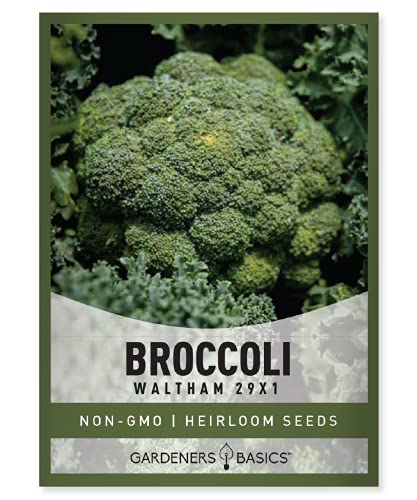
Waltham 29 broccoli: Grow green broccoli heads for steaming, roasting and fresh side dishes. This heirloom variety suits gardeners planning a cool-season vegetable harvest.
Maximizing Broccoli Yield
To maximize your broccoli yield and ensure a successful harvest, consider the following tips:
- Planting Time: Begin planting broccoli in the late summer or early fall for a late fall or winter harvest. Transplant seedlings when they are 4-6 weeks old.
- Spacing: Properly space your broccoli plants about 18-24 inches apart to allow room for growth and air circulation.
- Light: Broccoli thrives in full sun, so pick a sunny spot in your garden for optimal growth.
- Watering: Keep the soil consistently moist, especially during dry periods. Water deeply to encourage strong root development.
- Fertilizing: Feed your broccoli plants with a balanced fertilizer high in nitrogen to promote leafy growth.
- Mulching: Apply a layer of organic mulch around your broccoli plants to retain moisture, suppress weeds, and regulate soil temperature.
By following these guidelines, you can increase your chances of a successful broccoli harvest.
Recommended Products

Set includes 43 lightly assorted Vegetable and Herb seeds!

Gardening Kit: 55 Most Popular Vegetable Seeds Variety Pack NON GMO Heirloom Seeds LESS THAN $0.70 PER SEED VARIETY PACK 35,600+ seeds including: Artichoke, Arugula, Bean, Beet, Bok Choy, Broccoli, Brussel Sprouts, Cabbage, Carrot, Cauliflower, Celery, Collard, Corn, Cucumber, Curled Cress, Eggplant, Endive, Kale, Kohlrabi, Lettuce, Mache Corn Salad, Okra, Leek, Scallion, Onion Parsnip, Pea, Pepper , Pumpkin, Radish, Rapini, Spinach, Squash, Sunflower, Swiss Chard, Tomatoes, Turnip, Zucchini.
Conclusion
You now have the tools to ensure a bountiful broccoli harvest in your garden. By following these simple guidelines, you can set yourself up for success and enjoy the fruits of your labor. Remember to plant your broccoli in the optimal season, provide adequate spacing and sunlight, keep the soil moist, and nourish your plants with the right fertilizer. With a little care and attention, you’ll soon be enjoying fresh, homegrown broccoli straight from your own backyard. Happy planting!
Frequently Asked Questions
When is the best time to plant broccoli for optimal yield?
Plant broccoli in late summer or early fall for best results.
What is the ideal spacing for broccoli seedlings?
Space broccoli seedlings 18-24 inches apart to allow for proper growth.
How much sun exposure does broccoli need?
Broccoli thrives in full sun, so make sure it gets at least 6-8 hours of direct sunlight daily.
How often should I water my broccoli plants?
Keep the soil consistently moist but not waterlogged, typically requiring 1-1.5 inches of water per week.
What type of fertilizer should I use for broccoli?
Use a nitrogen-rich fertilizer to support healthy broccoli growth and development.
Is organic mulch beneficial for broccoli plants?
Yes, applying organic mulch around broccoli plants helps retain moisture, suppress weeds, and improve soil health for better yields.
