

Are you wondering if your broccoli really needs to be organic? Have you ever found yourself staring at the produce aisle, unsure if you should splurge on the organic option? We’ve all been there. In this article, we’ll dive into the world of broccoli to help you make the best choice for your health and the environment.
Imagine this: you’re trying to eat healthier, and broccoli is a staple in your diet. But you’re torn between conventional and organic. Which one should you pick? Don’t worry, we’ve got you covered. By the end of this read, you’ll have a clear understanding of whether organic broccoli is worth the hype and your extra dollars.
Get ready to uncover the truth about organic broccoli and gain insights that will empower you to make informed decisions at the grocery store. Let’s explore together and shed some light on this green, cruciferous vegetable.
Exploring the Benefits of Organic Broccoli
When it comes to choosing between conventional and organic broccoli, it’s essential to understand the potential benefits of opting for the organic option.
Nutrient Density
Organic broccoli is known for its nutrient density. Studies have shown that organic produce may contain higher levels of certain vitamins and minerals, making it a valuable choice for your overall health.
Pesticide Residue
By choosing organic broccoli, you can reduce your exposure to pesticide residues. Organic farming practices prohibit the use of synthetic pesticides, which can linger on conventional produce even after washing.
Environmental Impact
Opting for organic broccoli supports sustainable farming practices. Organic farming methods prioritize soil health, biodiversity, and water conservation, making it a more environmentally friendly choice.
Taste and Freshness
Many individuals find that organic broccoli offers enhanced flavor and freshness compared to conventional varieties. The care and attention given to organic crops can often result in a more enjoyable culinary experience.
Understanding Pesticide Use in Broccoli Farming
When it comes to broccoli farming, pesticide use is a crucial aspect to consider. In conventional broccoli farming, synthetic pesticides may be heavily utilized to manage pests and diseases. These pesticides can leave residues on the broccoli that you consume, which may have potential health implications.
In contrast, organic broccoli farming follows strict guidelines that prohibit the use of synthetic pesticides. Instead, organic farmers rely on natural methods like companion planting and beneficial insects to control pests. This can result in broccoli that is free from synthetic pesticide residues, offering a healthier option for you and your family.
By choosing organic broccoli, you are not only reducing your exposure to harmful chemicals but also supporting environmentally friendly practices that prioritize soil health and biodiversity. Organic farming methods can promote sustainable agriculture that benefits both consumers and the planet.
Remember, when deciding whether broccoli needs to be organic, consider the benefits of opting for pesticide-free produce that supports both your health and the environment.
Nutritional Differences Between Organic and Conventional Broccoli
When comparing organic and conventional broccoli, it’s essential to consider nutritional differences. While organic broccoli is free from synthetic pesticides, conventional broccoli may retain residue from these chemicals. This affects the nutrition you get from each.
- Organic broccoli tends to have higher levels of antioxidants like Vitamin C and polyphenols.
- Conventional broccoli might have lower antioxidant levels due to synthetic pesticide exposure.
Choosing organic broccoli can ensure you’re getting the best nutritional value from this superfood.
Recommended Products


Crowns are uniform in color with edible stems and tight dense clustered flower buds

BROCCOLI FLORETS: Deep, emerald green and delicious, broccoli is packed with wonderful flavor and loads of essential nutrients; pair with pasta, chicken, salads and more.
Environmental Impact of Organic Broccoli Farming
When it comes to the environmental impact of organic broccoli farming, there are several key factors to consider:
- Soil health: Organic farming practices, such as avoiding synthetic pesticides and fertilizers, help maintain soil fertility and microbial activity.
- Biodiversity: Organic farms often feature more diverse ecosystems with beneficial insects and wildlife, promoting a healthier environment.
Overall, choosing organic broccoli supports sustainable agricultural practices that prioritize environmental conservation.
Would you like to learn more about the environmental benefits of organic broccoli farming?
Making an Informed Decision: Organic vs. Conventional Broccoli
When deciding between organic and conventional broccoli, consider nutritional value, environmental impact, and personal preferences.
- Nutritional Value: Organic broccoli often contains higher levels of certain nutrients such as vitamin C and antioxidants compared to conventional broccoli.
- Environmental Impact: Organic broccoli farming promotes soil health and biodiversity through sustainable practices.
- Personal Preferences: If supporting sustainable agriculture and reducing exposure to pesticides are important to you, organic broccoli might be the ideal choice.
Remember to weigh these factors to make the best choice for your health and the environment.
Recommended Products

USDA Organic baby bimi broccoli with tender stems and sweet flavor, ready to cook

FROZEN VEGETABLES: Ready-to-roast frozen veggies to complement any protein or recipe; Serve them as a family favorite side dish or meal addition
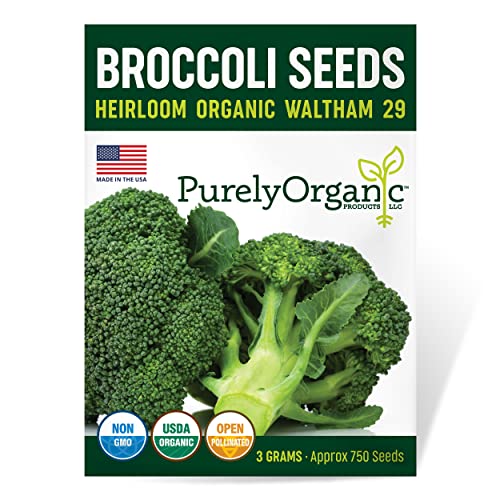
Brassica Oleracea Var. Italica: These finest quality, non-GMO, USDA Organic Waltham 29 Broccoli seeds produce crisp, crunchy, dark greenish-blue florets, leaves and stems that are packed with flavor and vitamins. They’re great on a plate!
Conclusion
When deciding whether to choose organic or conventional broccoli, remember that organic broccoli offers higher nutrient levels and supports sustainable farming practices. Consider your personal values and preferences, such as supporting environmental conservation and reducing pesticide exposure. By weighing these factors, you can make a choice that aligns with your health and environmental goals. Enjoy your broccoli knowing that your decision contributes to your well-being and the planet’s health.
Frequently Asked Questions
1. What are the key differences between organic and conventional broccoli?
Organic broccoli is grown without synthetic pesticides or fertilizers, while conventional broccoli may contain residues of these chemicals.
2. Is organic broccoli more nutritious than conventional broccoli?
Yes, organic broccoli tends to have higher levels of nutrients like vitamin C and antioxidants compared to conventional broccoli.
3. How does organic farming impact the environment?
Organic farming practices support soil health, biodiversity, and reduce the overall environmental impact compared to conventional farming methods.
4. What role do personal preferences play in choosing between organic and conventional broccoli?
Personal preferences, such as supporting sustainable agriculture and reducing pesticide exposure, are important factors in decision-making.
5. Why is it essential to consider these factors when selecting broccoli?
Considering factors like nutritional value, environmental impact, and personal preferences ensures a well-rounded decision for both personal health and environmental conservation.
