

Ever wondered when the perfect time is to harvest those vibrant beets you’ve been growing in your garden? Picture this: you’ve put in the time and effort, but now you’re unsure when to reap the rewards. Don’t worry, we’ve got you covered!
Best Time to Harvest Beets
When it comes to the best time to harvest beets, timing is crucial for peak flavor and texture. Here are some key points to consider:
- Timing: Beets are typically ready for harvesting 45 to 65 days after planting, depending on the variety.
- Size: A mature beet should be around 1 to 3 inches in diameter for the best taste and tenderness.
- Soil Conditions: Harvest beets when the soil is moist but not overly wet to ease extraction and minimize damage.
- Green Tops: Healthy, vibrant greens indicate a thriving beetroot. Look for lush foliage when deciding on the right moment to harvest.
Remember, the timing of beet harvest is crucial to enjoy the fruits of your labor.
Signs that Beets are Ready for Harvest
Harvesting beets at the right time ensures the best flavor and texture. Here are some signs that indicate your beets are ready for harvesting:
- Ideal Size: Beets are typically ready to harvest when they reach 1 to 3 inches in diameter. This size suggests that the beetroot has developed fully.
- Firmness: Gently squeeze the beetroot. It should feel firm and solid, indicating maturity.
- Healthy Tops: Lush green tops are a good sign that the beets are thriving.
- Moist Soil: Harvest when the soil is moist but not overly wet. It makes pulling the beets easier.
Harvesting Tips
To ensure a successful beet harvest, keep these tips in mind:
- Use a gardening fork or a trowel to gently loosen the soil around the beets before pulling them out.
- Harvest in the morning: Beets are most hydrated at this time, making them easier to pull out.
- For optimal storing, separate the tops from the beetroot, leaving an inch of stem, before refrigerating.
| Optimal harvest size | 1 to 3 inches in diameter |
|---|
Harvesting Technique for Beets
- Timing is key. You want to harvest beets when they are about 1 to 3 inches in diameter. This is when they are at their most tender and flavorful.
- Use a gardening fork to gently loosen the soil around the beets. This will help you lift them out without damaging them.
- Harvest in the morning. Beets are easier to remove from the soil when the ground is still slightly damp from the morning dew.
- Remove the tops from the beetroot before storing them. This will help keep the beets fresh for a longer period.
Storing Freshly Harvested Beets
When it comes to storing your freshly harvested beets, a few key principles can help maintain their flavor and quality. Here are some guidelines to follow:
- Cleaning: Start by gently brushing off excess soil. Avoid washing them, as excess moisture can lead to premature spoiling.
- Trimming: Cut the tops of the beets, leaving about one inch of the stalk attached. Leaving the tops on can cause the vegetable to lose moisture.
- Storage: Store the beets in a perforated plastic bag in the refrigerator. This helps maintain humidity levels without excess moisture.
- Temperature: Keep your beets at a consistent temperature of around 32°F to 40°F (0°C to 4°C) to prevent them from softening.
| Temperature Range |
|---|
| 32°F to 40°F (0°C to 4°C) |
By following these simple steps, you can preserve the freshness and flavor of your homegrown beets, ensuring they are ready to be enjoyed in your favorite dishes.
Recommended Products

- {Great Size} 8"x10"x3" dimensions with gusseted bottom, 8 inches by 10 inches with a gusseted bottom of 3 inches accomodating various sizes and shapes of products. - {Better Materials} Food Grade CPP Film with a higher tear and impact resistance and better cold temperature performance and heat sealing properties. Cast Polypropylene Film (CPP) is more favorable than (BOPP). - {Boxed Set} A set of 200 High Transparency bags with self-seal tape. Comes in a boxed dispenser keeping bags well contained for easy use and storage. - {Micro-perforated Bags} 28-32 hot needled holes per square inch allows for air permeability - for excess moisture to escape the bag. Permitting longer freshness.
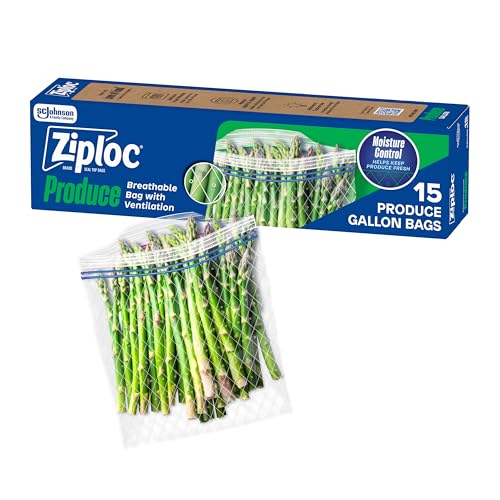
Moisture Control: Ziploc Brand gallon reusable produce bags with moisture control help keep produce fresh

PRESERVE FRESHNESS: Our Salad Bag is a kitchen essential that helps keep greens and produce fresher longer. It’s large enough to hold whole lettuce or veggies and keep them crisp for two up to weeks in the fridge
Tips for Maximizing Beet Yield
When it comes to harvesting beets for maximum yield, there are key strategies you can implement to ensure a bountiful harvest. Here are some valuable tips to help you make the most of your beet-growing efforts:
- Harvesting at the Right Time: Check the maturity of your beets by looking at the size of the roots. Beets are typically ready for harvest 50 to 70 days after planting. Optimal beet size for harvesting is around 1 to 3 inches in diameter.
- Consistent Watering: Ensure your beets receive 1 to 2 inches of water per week for proper growth and development. Inconsistent watering can result in stunted growth or cracking of the roots.
- Thinning for Success: Thinning your beet seedlings is crucial for maximizing yield. Thin your beets to 2 to 4 inches apart to allow room for proper root development.
- Proper Soil Conditions: Beets thrive in well-draining, loose soil. Ensure your soil is rich in organic matter and has a pH level between 6.0 and 7.0 for optimal growth.
- Mulching Matters: Mulching around your beet plants helps maintain soil moisture, suppresses weeds, and regulates soil temperature. Consider using organic mulch like straw or grass clippings.
Conclusion
Harvesting beets at the right time is crucial for optimal flavor and texture. Remember to clean, trim, and store them properly to enjoy their freshness. By following the guidance on timing, watering, soil conditions, and maintenance, you can ensure a bountiful beet harvest. Happy gardening and enjoy your delicious beets!
Frequently Asked Questions
When is the best time to harvest beets?
The best time to harvest beets is when the roots are about 1-3 inches in diameter, typically around 60 days after planting.
How should I store freshly harvested beets?
Clean and trim the beet greens, store them in a perforated plastic bag in the refrigerator to maintain freshness for up to 1-3 months.
What tips can help maximize beet yield?
Maximize beet yield by ensuring consistent watering, thinning seedlings to provide adequate space for growth, maintaining proper soil conditions, and using mulch to regulate soil moisture and temperature.
