

Ever wondered how long it takes for those vibrant beets in your garden to be ready for harvest? Picture this: you’ve lovingly planted your beet seeds, and now you’re eagerly awaiting the day you can enjoy their earthy goodness in your favorite dishes. But how long will it be until you can pluck them from the soil and savor their freshness?
As you tend to your garden, the anticipation of harvesting your beets grows. Understanding the timeline for beet growth is not only exciting but also essential for planning your meals and garden maintenance. In this article, we’ll delve into the fascinating journey from seed to harvest, equipping you with the knowledge to nurture your beets to perfection.
Get ready to uncover the secrets of beet cultivation and discover the optimal time to reap the rewards of your gardening efforts. By the end of this article, you’ll be a beet-harvesting pro, enjoying the satisfaction of homegrown produce on your plate.
Planting Beet Seeds
When planting beet seeds, make sure to choose a sunny spot with well-drained soil. Plant the seeds about half an inch deep in rows, spacing them around 2-3 inches apart.
To speed up germination, soak the seeds in water overnight before planting. Once the seeds are in the ground, keep the soil consistently moist but not waterlogged.
After about 1-3 weeks, you should see the first seedlings emerging from the soil. Thin out the seedlings to prevent overcrowding, leaving about 3-4 inches between plants to allow for healthy growth.
Recommended Products

QUALITY - All seeds packaged by Seed Needs are intended for the current and the following growing seasons. All seeds are stored in a temperature controlled facility that is free of significant amounts of moisture.

Vibrant Color Fusion: A stunning mix of rainbow beetroots, blending deep reds, golden yellows, and earthy whites for a visually striking dish or juice.

Shape and Size: Cylindrical beets grow in an elongated shape rather than round, allowing for easy slicing and uniform pieces.
Germination Period
When planting beet seeds, germination typically takes about 5 to 10 days. During this period, you’ll start to see tiny sprouts emerging from the soil. Optimal soil temperature for beet germination is around 50-85°F.
To help speed up the germination process, ensure the soil is consistently moist but not waterlogged. A trick you can use is soaking your beet seeds for 24 hours before planting. This step can encourage faster sprouting.
Once germination begins, expect to see seedlings popping up in your garden after 1 to 3 weeks. Keep an eye out for these early signs of growth as they mark the start of your beet cultivation journey.
Remember, the germination period is crucial for establishing a strong foundation for healthy beet growth. By following these tips and being patient, you’ll soon be on your way to enjoying your homegrown beets.
Growth Stages of Beets
When growing beets, it’s essential to understand the different growth stages they go through. Here’s a breakdown to help you track your beet’s development:
- Germination: This is the initial stage where the seed absorbs water and begins to sprout.
- Seedling Phase: After germination, the seedling phase begins. This is when the first set of true leaves appear.
- Vegetative Growth: During this stage, the beet plant focuses on leaf and root development to support future growth.
- Bulb Formation: Beets start to form the bulb, which is the part we typically harvest and eat.
- Maturation: As the bulb continues to grow, the beets reach maturity and are ready for harvest.
Understanding these growth stages will help you monitor your beets’ progress and know when they’re ready to harvest.
Signs of Beet Readiness
When it comes to harvesting beets, paying attention to the Signs of Beet Readiness is key. Here are some indicators to look for:
- Size: Beets are typically ready to harvest when they reach about 1 to 3 inches in diameter.
- Texture: A beet ready for harvesting will have a firm texture.
- Color: Look for a deep and rich color on the beet’s outer skin.
- Foliage: Healthy, green foliage is a good sign that the beet is ready for harvest.
As you observe these signs, you’ll soon become adept at determining the optimal time to harvest your beets for the freshest and most flavorful results.
Harvesting Beets
Harvesting your beets is an exciting moment after all the hard work you’ve put into growing them. Here’s what you need to know:
- Timing: Beets are typically ready for harvest 45 to 70 days after planting. Keep a close eye on the size and color.
- Size: When your beets reach 1 to 3 inches in diameter, it’s time to harvest. Larger beets can become tough or woody.
- Texture: Firm beets are a good indicator of readiness. Avoid harvesting soft or squishy beets.
- Color: Look for a deep, vibrant color on the outer skin. This shows they’re packed with flavor.
- Foliage: Healthy, green foliage signals strong, vibrant beets ready for picking.
- Remember, beet greens are edible too! Don’t forget to harvest them along with your beets for a tasty addition to your meals.
Recommended Products

IDEAL GARDEN BASKET: Basket made of durable, plastic with multi-functional features to simplify collecting, transporting, and cleaning harvested produce or tools; Designed with two sets of handles for each user's preferred carry
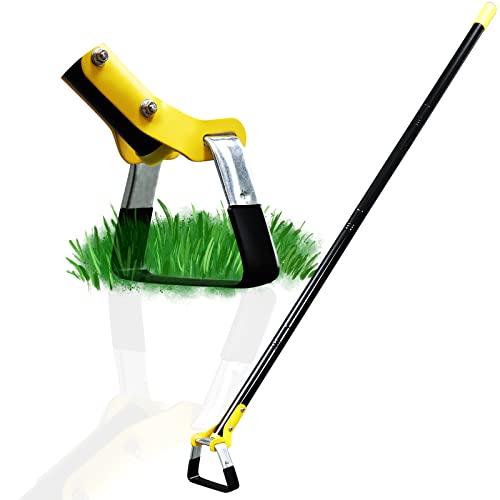
▲【Push Pull Hoe Garden Tool】Sold by DonSail US store and garden hoes are designed with push-pull motion which is safer and more efficient for weeding, cut weed roots or cultivating around live growing plants with ease.

GARDENING ESSENTIAL: Garden weeder ideal for a variety of gardening tasks like removing invasive weeds, maintaining your herb garden, uprooting dandelions and thistles, and more to encourage overall plant health and appearance
Conclusion
Now that you know the key indicators of beet readiness – size, texture, color, and foliage – you’re well-equipped to harvest your beets at the perfect time. Remember, beets are typically ready for picking when they’re 1 to 3 inches in diameter, firm to the touch, vibrant in color, and surrounded by lush green foliage. By paying attention to these signs, you’ll ensure that your beets are bursting with flavor and freshness. Don’t forget, you can also enjoy the nutritious beet greens along with the roots in your meals. Happy harvesting!
Frequently Asked Questions
When are beets ready for harvesting?
Beets are typically ready for harvesting when they reach 1 to 3 inches in diameter, have a firm texture, display a deep color on their outer skin, and are accompanied by healthy, green foliage.
How long does it take for beets to be ready for harvest after planting?
Beets are usually ready for harvest 45 to 70 days after planting.
Why is it important to monitor the size, color, texture, and foliage of beets before harvesting?
Paying attention to the size, color, texture, and foliage of beets ensures optimal timing for harvesting, resulting in the best flavor and freshness.
Can beet greens be consumed as well?
Yes, beet greens are edible and can be harvested along with the beets for a tasty addition to meals.
