

Understanding Beets
To plant beets successfully in Virginia, it’s essential to understand the basics of this vibrant and nutritious root vegetable. Here’s what you need to know:
- Beet Varieties: There are various types of beets, including Red Ace, Detroit Dark Red, and Golden beets. Each variety has its unique flavor profile and color range.
- Growth Cycle: Beets are a cool-season crop that grows best in temperatures between 50°F and 75°F. They thrive in well-draining, loamy soil with a pH level between 6.0 and 7.0.
- Sowing Seeds: You can directly sow beet seeds in the garden 2 to 4 weeks before the last frost date in Virginia. Plant seeds about 1 inch apart, and thin seedlings to 3 to 4 inches apart once they have two true leaves.
- Watering Needs: Beets require consistent moisture for optimal growth. Water evenly to keep the soil consistently moist but not waterlogged.
- Harvesting Time: Depending on the variety, beets are ready for harvest 45 to 70 days after planting. You can harvest them when they reach 1.5 to 2 inches in diameter for baby beets or let them grow larger for mature beets.
Remember, successful beet cultivation depends on providing the right growing conditions and care throughout the season. By understanding the unique characteristics of beets and following these guidelines, you’ll be on your way to enjoying a bountiful beet harvest in Virginia.
Climate and Soil in Virginia
In Virginia, beets thrive in cooler temperatures. Aim for soil temperatures around 50-85°F for optimal growth. The average frost-free date in Virginia ranges from late April to mid-May, which marks the start of the planting season.
Soil Type matters for successful beet growth. Beets prefer well-drained soil, rich in organic matter. Sandy loam or loamy soils with a pH level between 6.0-7.0 are ideal for beets.
When planting beets in Virginia, consider the state’s varying climate. Coastal areas experience milder winters compared to inland regions. Adjust your planting schedule accordingly to local conditions for the best results.
Recommended Products

FALL AND WINTER VEGETABLE SEEDS: 8 non-GMO heirloom varieties for planting vegetables in cool weather gardens, cold frames, raised beds, and containers

SDA CERTIFIED ORGANIC VEGETABLES: Enjoy 100% clean, non-GMO heirloom crops grown from seed. Certified organic by Oregon Tilth, this open-pollinated variety pack ensures your home garden yields healthy, chemical-free organic vegetables directly to your table.
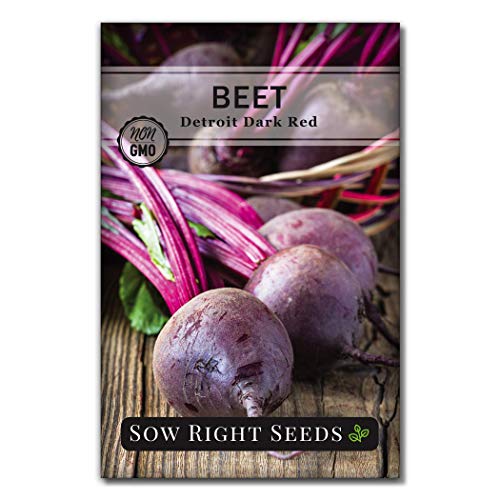
Beautiful - Large premium packet of Detroit Dark Red Beet (Beta var. ‘Detroit Dark Red’) seeds. Vivid, dark red 2-3" round beets have sweet flesh and tasty edible greens. This resilient variety can tolerate temperature variations, offering high productivity even in less-than-ideal soil conditions. Minimum of 1.5 g per packet (about 90 seeds).
Best Time to Plant Beets in Virginia
When to plant beets in Virginia depends on local conditions and the average frost-free date in your area.
- For most regions in Virginia, the best time to plant beets is in early spring, around 4-6 weeks before the last frost.
- Late summer or early fall planting is also common, taking advantage of the cooler temperatures for optimal growth.
Consider waiting to sow your beet seeds until the soil temperature reaches 50°F, ensuring germination success.
| Seasons | Ideal Time to Plant |
|---|---|
| Early Spring | 4-6 weeks before last frost |
| Late Summer | Cooler temperatures for growth |
Your local extension office can provide specific planting recommendations based on your precise location.
Planting Methods for Beets
When it comes to planting beets, there are a few key methods you can utilize for a successful harvest. Here are some tips to guide you through the process:
- Direct Sowing: You can plant beet seeds directly into the ground. Make sure the soil is well-drained and loose to promote good root development.
- Seed Depth: Plant your beet seeds about half an inch deep. Spacing: Leave around 1-2 inches between each seed to allow room for growth.
- Thinning: Once your beet seedlings are a few inches tall, thin them out to ensure proper spacing for optimal root development.
- Successive Planting: Consider planting beets in batches every few weeks for a continuous harvest throughout the growing season.
- Soil Requirements: Beets thrive in well-drained, sandy loam soil with a slightly acidic to neutral pH level.
- Sunlight: Ensure your beet plants receive at least 6-8 hours of sunlight daily for healthy growth and development.
| Optimal Soil Temperature for Planting | Best Time to Sow Seeds |
|---|---|
| Around 50°F | Early spring or late summer |
Recommended Products

QUALITY - All seeds packaged by Seed Needs are intended for the current and the following growing seasons. All seeds are stored in a temperature controlled facility that is free of significant amounts of moisture.

🧑🌾 White Detroit Beet Seeds: A classic beet variety producing smooth, round white roots with mild, subtly sweet flesh that stays clean when sliced or cooked. Known for uniform shape and dependable growth, this variety is well suited for fresh eating, roasting, pickling, and garden harvests.

High Germination Beet seeds garden seeds vegetable seeds bulk
Caring for Beet Plants
Taking care of your beet plants is crucial to ensure a bountiful harvest. Here are some essential tips to help you nurture your beets properly:
- Watering: Keep the soil consistently moist, especially during dry spells. Beets need about 1-2 inches of water per week.
- Weeding: Regularly remove weeds to prevent them from competing with your beet plants for nutrients and sunlight.
- Fertilizing: Consider side-dressing your beets with a balanced fertilizer about 3-4 weeks after planting to promote healthy growth.
- Mulching: Apply a layer of organic mulch around your beet plants to help retain moisture, deter weeds, and regulate soil temperature.
- Pest Control: Keep an eye out for pests like aphids and flea beetles. Consider using natural methods or organic pesticides to protect your plants.
- Harvesting: Beets are ready for harvest when they reach the desired size, usually around 1-3 inches in diameter. Gently pull them out of the ground to avoid damaging the roots.
- Storage: Remove the tops, leaving an inch of the stem, and store beets in a cool, dark place with high humidity to keep them fresh for an extended period.
By following these care tips, you’ll be on your way to enjoying a successful beet harvest in your Virginia garden.
Recommended Products

KILLS 100+ LISTED INSECTS: Kills aphids, tomato hornworms, green fruitworms and other listed insect pests

【FAST ACTION & THOROUGH KILL】: EcoVenger's Ready-to-use plant bug spray is designed for most grown plants, instantly targeting and wiping out horticultural insects on contact—perfect for both outdoor and indoor plants. For delicate and newly sprouted plant parts, simply dilute with water according to the label instructions.
Conclusion
You’re now equipped with valuable insights on caring for your beet plants in Virginia. Remember to maintain soil moisture, weed regularly, use fertilizer, mulch for moisture retention, manage pests, harvest at the right size, and store your beets properly. By following these tips, you’re on your way to a successful beet harvest. Happy gardening!
Frequently Asked Questions
How often should I water my beet plants?
Water beet plants consistently to keep the soil moist. A general rule of thumb is to provide about 1-1.5 inches of water per week, either through rainfall or manual watering.
Why is weeding important for beet plants?
Regular weeding is crucial for beet plants as weeds compete for nutrients, water, and sunlight, affecting the growth of beets. Remove weeds promptly to ensure that beets have ample space and resources to flourish.
When should I apply fertilizer to my beet plants?
Side-dress beet plants with fertilizer when they reach about 4-6 inches in height. This additional fertilization will provide the necessary nutrients for healthy beet growth and development.
How can mulching benefit my beet plants?
Mulching helps retain soil moisture, regulates temperature, suppresses weed growth, and prevents soil erosion. Apply a layer of organic mulch around beet plants to reap these benefits and promote overall plant health.
How should I control pests on my beet plants?
Monitor beet plants regularly for pests like aphids and flea beetles. Use organic pest control methods such as neem oil or insecticidal soap to manage pest infestations effectively while minimizing harm to beneficial insects.
When is the best time to harvest beets?
Harvest beets when they reach the desired size, typically around 1-3 inches in diameter. Harvesting at this stage ensures that beets are tender and flavorful, making them ideal for consumption.
What are the proper techniques for storing harvested beets?
Store harvested beets in a cool, dark, and humid environment to maintain freshness. Remove the beet greens, leaving about an inch of the stem, and store beets in perforated plastic bags in the refrigerator crisper drawer for up to a few weeks.
