

Ever wondered how long it takes to grow those vibrant, earthy beets in your own backyard? Picture this: you’re craving a fresh harvest for your next culinary masterpiece, but the uncertainty of beet growth timelines leaves you feeling a bit puzzled. How soon can you expect those ruby gems to grace your garden?
Understanding Beet Growth Stages
Growing beets from seed to harvest is a rewarding journey that unfolds in distinct stages. Here’s how it typically progresses:
- Germination: Once you plant beet seeds, they’ll need about 5 to 10 days to sprout. You’ll see tiny green shoots emerge from the soil, indicating the beginning of your beet plant’s life.
- Seedling Stage: During this phase, the beet plants will focus on developing strong roots and leaves. It lasts for around 2 to 4 weeks. Your plants will look small and delicate but are crucial for future growth.
- Vegetative Growth: As the seedlings mature, they enter a stage of rapid leafy growth. This phase can last 4 to 6 weeks. You’ll see the plants grow larger and healthier.
- Bulb Formation: After the vegetative phase, beets transition to forming bulbs. This stage typically takes 6 to 8 weeks. The beets will start to swell and push out of the soil.
- Maturation: The final stretch involves the beets reaching full size and maturity. The time it takes for beets to mature can range from 8 to 10 weeks after planting, depending on the variety.
By understanding these growth stages, you can anticipate what to expect as you nurture your beet plants from tiny seeds to delicious, vibrant root vegetables.
Factors Influencing Beet Growth Time
When it comes to how long it takes to grow beets, several factors play a role in determining the overall growth time of these vibrant root vegetables. Let’s delve into the key elements that can influence the speed and success of your beet growth journey.
Soil Quality: The quality of the soil in which you plant your beet seeds significantly impacts their growth time. Well-draining, loose soil rich in organic matter can accelerate beet growth by providing essential nutrients and oxygen to the plants.
Temperature and Sunlight: Warm temperatures coupled with ample sunlight are crucial for promoting optimal beet growth. Aim to plant your beets in an area that receives plenty of sunlight throughout the day to help speed up the growth process.
Watering Regimen: Consistent watering is essential for promoting steady beet growth. Be mindful not to overwater or underwater your beet plants, as fluctuations in watering can delay growth or lead to issues like cracking in the roots.
Spacing and Thinning: Adequate spacing between beet plants is vital for ensuring optimal growth. Overcrowding can impede the growth of individual plants, so be sure to thin out seedlings as needed to allow sufficient room for each beet to flourish.
Variety Selection: Different beet varieties have varying growth rates, with some maturing faster than others. Choosing a beet variety that aligns with your timeline can help you achieve quicker harvests.
Pest and Disease Management: Pest infestations and disease can hinder the growth of beet plants. Implementing proper pest control measures and monitoring for signs of disease can help maintain the health and vigor of your beet crop.
Planting and Germination Period for Beets
When planting beets, sow seeds directly into well-drained soil as soon as the ground can be worked in early spring. Ensure the soil temperature is at least 50°F for optimal germination.
Beet seeds typically germinate within 5 to 14 days, but factors like soil moisture, temperature, and seed quality can influence this timeframe. Once seeds sprout, thin them to 2 to 4 inches apart to promote healthy root development.
Watering consistently is crucial during the germination period to keep the soil moist but not waterlogged. Avoid over-watering, as it can lead to rotting seeds or seedlings. Monitor the moisture levels and adjust your watering routine as needed.
For a successful germination process, protect young seedlings from harsh weather conditions, pests, and diseases. Consider using row covers or cloches to shield them from extreme temperatures and pests.
By following these steps, you’ll set a solid foundation for healthy beet growth and increase your chances of a plentiful harvest.
Nurturing Beet Growth through the Seasons
Growing beets requires attentive care across different seasons. Here are some key steps to ensure successful beet growth year-round:
- Spring Planting: Plant beet seeds in early spring when the soil temperature is at least 50°F for optimal germination.
- Summer Maintenance: Ensure consistent watering to prevent issues like seed rot and encourage healthy root development.
- Fall Harvest: As temperatures cool, continue monitoring soil moisture to support beet growth in preparation for harvest.
- Winter Protection: Shield beets from harsh winter weather to prevent damage and ensure they survive the season.
By following these seasonal guidelines, you can nurture your beets towards a bountiful harvest.
| Season | Key Steps |
|---|---|
| Spring | Plant seeds in well-drained soil. |
| Maintain soil temperature for germination. | |
| Summer | Consistent watering for healthy roots. |
| Fall | Monitor soil moisture for growth. |
| Winter | Protect from harsh weather conditions. |
Harvesting Your Homegrown Beets
Once beet roots have reached about 1 to 3 inches in diameter, they are generally ready to be harvested. Here’s how you can safely and effectively harvest your homegrown beets:
- Loosen the soil around the beets with a garden fork.
- Pull the beets gently by their tops to lift them out of the ground.
- Cut off the beet greens, leaving about an inch of the stems attached to the root.
- Rinse the harvested beets under cool water to remove excess soil.
- Store the beets in a cool, dark place to maintain freshness.
By following these steps, you can enjoy the fruits of your labor and savor the flavor of freshly harvested beets.
Recommended Products
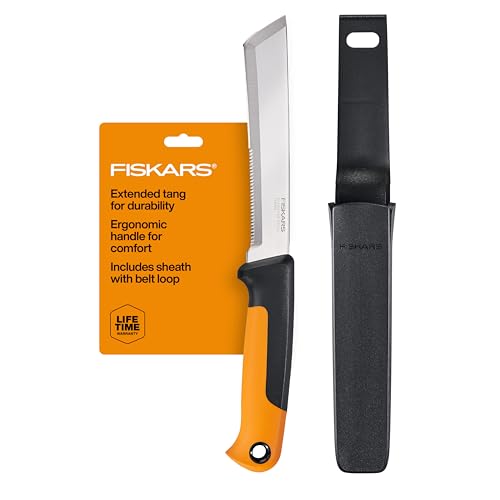
IDEAL FOR HARVESTING: Includes (1) Fiskars Harvesting Knife with hard plastic sheath and belt loop; perfect for thick stalks and stems, ensuring clean and precise cuts with ease in vegetable gardens and orchards; backed by a Lifetime Warranty

IDEAL GARDEN BASKET: Basket made of durable, plastic with multi-functional features to simplify collecting, transporting, and cleaning harvested produce or tools; Designed with two sets of handles for each user's preferred carry
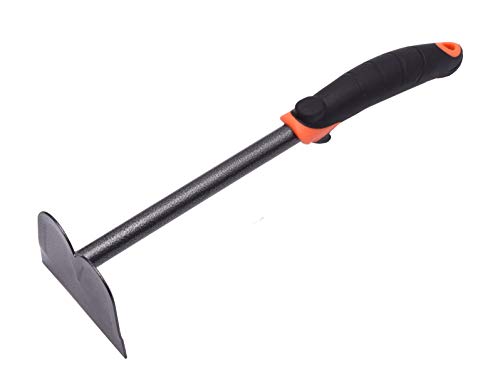
Heavy duty carbon steel garden tool does not bend or break
Conclusion
Now that you’ve learned about growing beets and harvesting them at the right time, you’re well on your way to enjoying the fruits of your labor. Remember to be patient as beets take their time to reach maturity. With proper care and attention, you’ll soon be able to savor the delicious taste of freshly harvested beets. Happy gardening!
Frequently Asked Questions
Q: When is the right time to harvest homegrown beets?
A: Harvest homegrown beets when they reach the appropriate size, usually around 1.5 to 2 inches in diameter.
Q: How should I harvest beets from my garden?
A: Loosen the soil around the beets, gently pull them out by their tops, cut off the greens, rinse the beets, and store them in a cool, dark place.
Q: What steps should I follow for a successful beet harvest?
A: Follow these steps for a successful beet harvest: loosen soil, gently pull beets out, remove greens, rinse beets, and store in a cool, dark place.
Q: How can I ensure my harvested beets stay fresh?
A: To keep harvested beets fresh, store them in a cool, dark place away from sunlight and moisture.
