

Ever wondered how to preserve those fresh green beans for future planting? Picture this: you’ve had a bountiful harvest, and now you want to ensure those seeds stay viable until the next planting season. How can you best dry and store green beans for seeds? In this article, you’ll discover the most effective methods to keep your green bean seeds healthy and ready for sowing.
Benefits of Saving Green Bean Seeds
Improves Crop Resilience:
- By saving green bean seeds, you ensure a constant supply of resilient crops that are well-suited to your specific growing conditions.
Cost-Effective:
- Saving your own seeds can be cost-effective in the long run as you won’t have to purchase new seeds every planting season.
- S select and save seeds from your best green beans, you’re preserving the genetic diversity of the plant for future generations.
- Saving green bean seeds is a sustainable practice that reduces waste and promotes self-sufficiency in gardening.
| Key Benefits of Saving Green Bean Seeds |
|---|
| – Improves crop resilience |
| – Cost-effective |
| – Preserves genetic diversity |
| – Sustainable practice |
Harvesting Green Beans for Seeds
When the green beans in your garden are fully mature, it’s time to start harvesting them for seeds. Here’s how you can do it:
- Choose the Best Beans: Selecting ripe and healthy green beans is crucial. Look for beans that are fully mature, firm, and free from any signs of disease or pest damage.
- Allow Beans to Mature: Leave a few green beans on the plant until they are completely dry and brown. This indicates that the seeds inside have reached maturity.
- Harvesting the Beans: Once the green beans have dried on the plant, it’s time to pick them. Carefully remove the dried pods from the plant and collect them in a paper bag or basket.
- Prepare the Seeds: Shelling the dried green beans will reveal the seeds inside. Separate the seeds from the pods and discard any damaged or discolored ones.
- Store the Seeds: To ensure the longevity of your green bean seeds, store them in a cool, dry, and dark place. You can use envelopes, glass jars, or airtight containers.
Drying Methods for Green Beans
When it comes to drying green beans for seeds, there are a few common methods you can choose from based on your preference and resources. Here are some effective ways to ensure your green bean seeds are properly dried and stored for future planting:
- Air Drying: Hang your green bean pods in a warm, well-ventilated area with good air circulation. Ensure the beans are spread out in a single layer to promote even drying.
- Dehydrator: If you have a dehydrator, this can be a quick and efficient way to dry your green beans. Follow the manufacturer’s instructions for drying fruits and vegetables.
- Oven Drying: Spread your green beans on a baking sheet and place them in an oven set at a low temperature. Keep the oven door slightly ajar to allow moisture to escape.
Remember, the key is to dry the green beans thoroughly to prevent mold growth and ensure the seeds remain viable for planting. Once your green beans are dried, it’s time to move on to the next step: storing them properly for future use.
Recommended Products

𝗠𝗔𝗫𝗜𝗠𝗜𝗭𝗘 𝗘𝐕𝗘𝗥𝗬 𝗕𝗔𝗧𝗖𝗛: 6 stainless steel trays offer 6.5 ft² of drying space, giving you plenty of room to dehydrate large batches of food at once
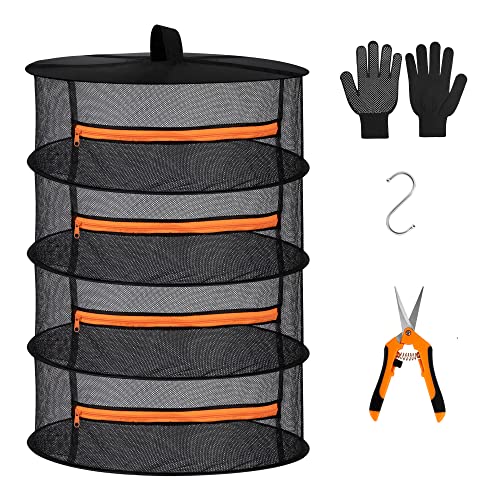
Size: Height:80 cm; Diameter: 60 cm; Load capacity:2.2lbs/layer
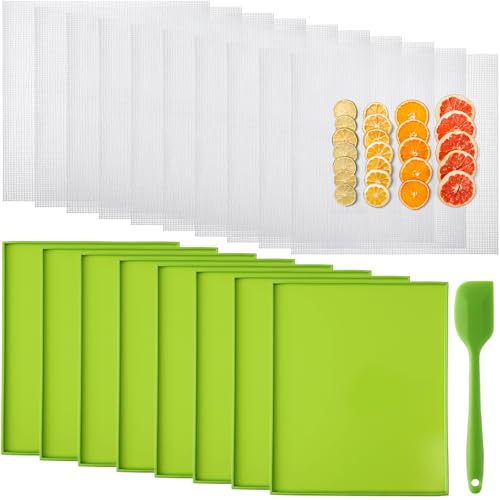
What Will You Get: our package contents 8 pieces of silicone dehydrator sheets with edge, 10 pieces of mesh dehydrator mats and 1 pieces of silicone scraper, 2 kinds of silicone dehydrator sheet combination to meet your different needs, silicone scraper is in bright green color, can easy to find in your drawer
Storing Green Bean Seeds Properly
Properly storing your green bean seeds is crucial for maintaining their viability over time. Here are some essential tips to ensure they remain in excellent condition for future planting:
- 1. Choose the Right Containers: Opt for airtight containers such as glass jars or resealable plastic bags to keep moisture out and maintain seed quality.
- 2. Label and Date: Always label your containers with the seed type and the date of storage to keep track of their age and variety.
- 3. Store in a Cool, Dry Place: Find a suitable storage location that is cool, dry, and away from direct sunlight to prevent any moisture buildup or heat exposure that can harm the seeds.
- 4. Ideal Temperature: Aim for a storage temperature between 32-41°F (0-5°C) to maintain seed dormancy and prevent premature sprouting.
- 5. Avoid Freezing or Excessive Heat: Steer clear of storing seeds in places subject to extreme temperatures, as this can lead to seed damage and reduced viability.
- 6. Check Regularly: Periodically inspect your stored seeds for any signs of mold, pests, or moisture, and remove any damaged seeds to prevent them from affecting the rest.
By following these simple steps, you can ensure that your green bean seeds stay healthy and viable until you’re ready to plant them in the future.
Recommended Products
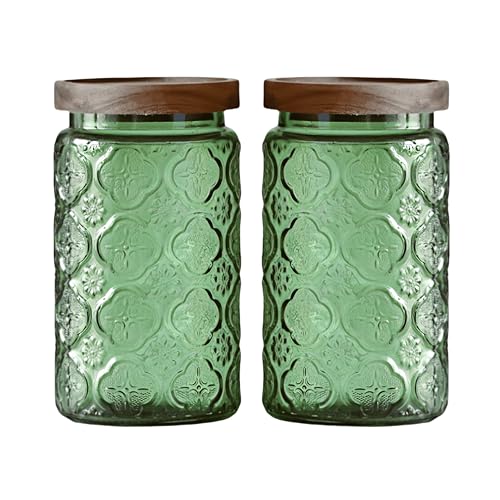
HIGH QUALITY MATERIALS: The glass bottle is made of high quality glass, engraved with floral patterns, beautiful and practical, there is a silicone ring inside the glass jar lid
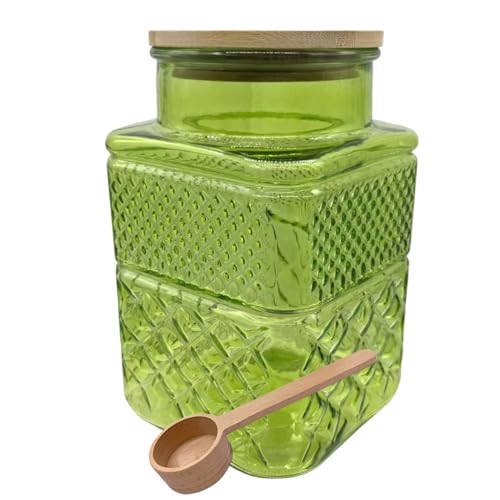
【Glass Canister Size】Cute glass jar holds liquid up to 60 Fl oz/1.5Qt/1800ml/0.5Gal,body:4.7*4.7*7.8inches,Wide mouth:4inch,weight:800g(Lid not included),Scoop size:6.7*1.7inches

Adequate to Use: you will receive 24 pcs 4 oz jars with lids, sufficient quantity for your daily use and replacement, which can be placed in the living room, bookshelf, kitchen, bedroom, bathroom and so on, making them more convenient to use with easy access
Recommended Containers for Seed Storage
When selecting containers for storing your green bean seeds, it’s crucial to opt for airtight options. Mason jars, resealable plastic bags, and seed-saving envelopes are fantastic choices. Ensure that the containers are clean and dry before transferring the seeds.
Here are a few options that work well for storing seeds:
- Mason Jars: Great for larger seed quantities, these glass jars provide excellent protection from moisture and pests.
- Resealable Plastic Bags: Convenient and space-saving, they are ideal for smaller seed batches.
- Seed-Saving Envelopes: These envelopes are specifically designed for seed storage and come with labeling space for easy organization.
Remember, it’s essential to label your containers with both the seed type and the date of storage. This practice helps you keep track of your seed collection and ensures you use the oldest seeds first, maintaining freshness and viability.
Conclusion
Properly storing green bean seeds is key to preserving their viability. Choosing airtight containers like Mason jars or seed-saving envelopes, ensuring they are clean and dry, and labeling them with the seed type and storage date are essential steps. By following these tips, you can maintain the freshness and viability of your green bean seeds for future planting. Happy gardening!
Frequently Asked Questions
How should I store green bean seeds for long-term viability?
To store green bean seeds for optimal viability, use airtight containers like Mason jars, resealable plastic bags, or seed-saving envelopes. Ensure the containers are clean and dry before transferring the seeds. Label the containers with the seed type and storage date for organization. Use the oldest seeds first to maintain freshness and viability.
What are the best containers for storing green bean seeds?
Choose airtight containers like Mason jars, resealable plastic bags, or seed-saving envelopes for storing green bean seeds. These containers help maintain seed viability by keeping moisture and air out. Ensure the containers are clean and dry before adding the seeds for long-term storage.
Why is labeling containers important when storing green bean seeds?
Labeling containers with the seed type and storage date is crucial for organization and seed viability maintenance. This practice ensures you can identify the seeds easily and use the oldest ones first to prevent seed deterioration. Proper labeling helps in keeping track of seed varieties and their storage duration.
