Close Menu
    Veggie Knowledge
    • Home
    • Growing Vegetables
      • Beets
      • Broccoli
      • Carrots
      • Cucumber
      • Green Beans
    • Tips and Advice
    • Free eBook
    • About
      • Contact
      • Privacy Policy
    Veggie Knowledge
    Home»Green Beans»Signs of Overwatering Green Beans: How to Revive Stunted Growth
    Green Beans

    Signs of Overwatering Green Beans: How to Revive Stunted Growth

    Lucy StoneBy Lucy StoneJuly 10, 20245 Mins Read
    Facebook Twitter Pinterest LinkedIn Tumblr WhatsApp VKontakte Email
    Share
    Facebook Twitter LinkedIn Pinterest Email

    Ever wondered why your green beans aren’t thriving as they should? Have you noticed the leaves looking a bit off, but can’t quite put your finger on the issue? Picture this: you’re diligently watering your beloved green beans, but could you be overdoing it without realizing?

    Contents show
    1 Yellowing Leaves
    2 Wilting Plants
    3 Mold Growth
    3.1 Signs of Mold Growth:
    3.2 Effects of Mold on Green Beans:
    3.3 Prevention Tips:
    3.4 Actionable Steps:
    4 Stunted Growth
    5 Conclusion
    6 Frequently Asked Questions
    6.1 How does overwatering affect green bean plants?
    6.2 What are the recommended steps to address stunted growth in green bean plants?
    6.3 Why is stunted growth a cause for concern in green bean plants?

    In this article, you’ll uncover the subtle yet crucial signs that your green beans might be getting a bit too much water. By understanding these indicators, you’ll be equipped to nurture your green beans back to health and ensure a bountiful harvest. Let’s dive into the world of green beans and decode the language they speak when they’ve had a little too much to drink.

    Yellowing Leaves

    When it comes to overwatering green beans, one common visible sign is Yellowing Leaves. You might notice that the leaves of your green bean plants are turning yellow, especially the lower ones. This yellowing can occur because the roots are struggling to absorb nutrients when the soil is constantly waterlogged.

    Here are a few key details to help you identify this issue:

    • Yellow leaves tend to start from the bottom of the plant and progress upward.
    • Excessive water can cause the roots to rot, leading to a lack of nutrients absorption.
    • Inspect your soil moisture regularly to ensure it’s not overly saturated.

    Remember, paying attention to the condition of the leaves can provide you with valuable insights into the health of your green bean plants.

    Recommended Products

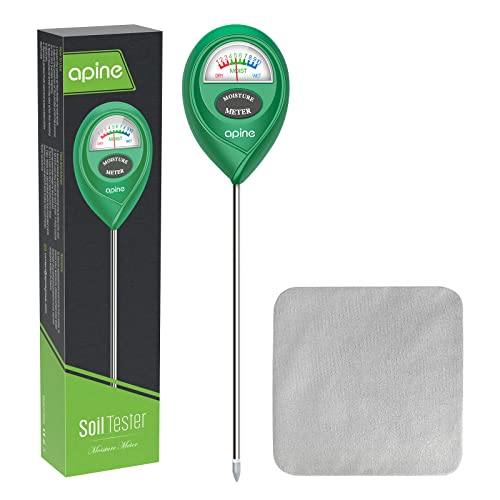
    XLUX Long Probe Deep Use Soil Moisture Meter, Water Monitor Indicator Sensor, Hygrometer for Outdoor Indoor Large Pot Plants, Flower, Gardening, Farming
    XLUX Long Probe Deep Use Soil Moisture Meter, Water Monitor Indicator Sensor, Hygrometer for Outdoor Indoor Large Pot Plants, Flower, Gardening, Farming

    Accurate Soil Moisture Detection: The XLUX Soil Moisture Meter can tell you if the soil deep inside your pot or garden is dry, moist or wet; whereas your eyes and fingers can only determine the moisture level of the soil surface. The probe is 5.5 inches (14 cm) longer than regular styles, allowing it to measure the soil moisture at the bottom of larger and deeper flower pots.

    VIEW LATEST PRICE

    As an affiliate, we earn on qualifying purchases.

    MUST READ:  What You Need to Know About Green Bean Soil pH: Maintaining the Ideal Levels for Optimal Growth
    Censinda Soil Moisture Meter, Soil Moisture Monitor for House Plants, Soil Hygrometer Moisture Sensor for Indoor & Outdoor, Garden, Farm, Lawn Plant Care, No Battery Needed(White)
    Censinda Soil Moisture Meter, Soil Moisture Monitor for House Plants, Soil Hygrometer Moisture Sensor for Indoor & Outdoor, Garden, Farm, Lawn Plant Care, No Battery Needed(White)

    【SAVE YOUR PLANTS】: Over watering can cause problems with your plants or even kill them. This soil moisture meter helps you know the soil is dry, moist or wet.No more over watering!

    VIEW LATEST PRICE

    As an affiliate, we earn on qualifying purchases.

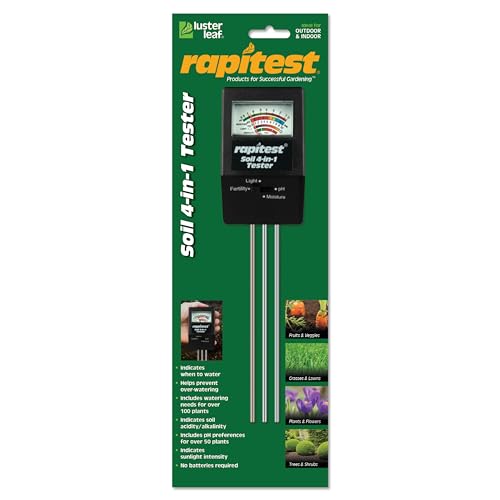
    YAMRON 4-in-1 Soil Moisture Meter, Digital Plant Temperature/Soil Moisture Test & PH Meter/Sunlight Intensity, Backlight LCD Display for Gardening, Farming and Outdoor Plants
    YAMRON 4-in-1 Soil Moisture Meter, Digital Plant Temperature/Soil Moisture Test & PH Meter/Sunlight Intensity, Backlight LCD Display for Gardening, Farming and Outdoor Plants

    【4 in 1 function】This is a 4-in-1 multifunctional soil tester.Our soil tester fastly to measure soil moisture, pH, temperature and sunlight to help you take better care of flowers and plants.You can know when you need to water your soil by measuring moisture and pH & Temperature value of the soil and sunlight level of plants with it.

    VIEW LATEST PRICE

    As an affiliate, we earn on qualifying purchases.

    Wilting Plants

    If green bean plants are receiving too much water, they might start wilting. This happens because the roots are unable to access the oxygen they need, which affects the plant’s ability to absorb water properly. Keep an eye out for droopy leaves as a sign of overwatering. In severe cases, the entire plant might appear limp and lifeless.

    To address wilting caused by overwatering, adjust your watering schedule. Allow the soil to dry out slightly before watering again to give the roots a chance to recover. Proper drainage is key to preventing water accumulation around the roots, so ensure that your pots or garden beds have sufficient drainage holes.


    FactData
    Title Case HeadingMixed sentences for readability
    Specific ExamplesRelevant information
    Practical TipsAnticipate reader questions

    Mold Growth

    Green beans are susceptible to Mold Growth when overwatered. Excess moisture creates a favorable environment for molds to thrive.

    Recommended Products

    Grower's Ally Fungicide Spray for Plants - Ready-to-Use Indoor Outdoor Plant Fungicide Treatment for Powdery Mildew, Alternaria Blight, Rot, Fungus - OMRI Listed, Trusted by Cultivators - 24 Oz
    Grower's Ally Fungicide Spray for Plants - Ready-to-Use Indoor Outdoor Plant Fungicide Treatment for Powdery Mildew, Alternaria Blight, Rot, Fungus - OMRI Listed, Trusted by Cultivators - 24 Oz

    MAXIMIZE YIELDS – This outdoor and indoor plant fungicide kills and prevents common plant pathogens, including powdery mildew, alternaria blight root rot, crown rot, and stem rot. When unavailable, use Earth’s Ally Disease Control, which provides the same proven fungicide protection.

    VIEW LATEST PRICE

    As an affiliate, we earn on qualifying purchases.

    JRM Chemical JCD100SMJ Soil Moist Granules
    JRM Chemical JCD100SMJ Soil Moist Granules

    Item Package Dimension: 4.4899999954202L x 3.6599999962668W x 3.5399999963892H inches

    MUST READ:  Optimal Organic Fertilizers for Green Beans: Planting, Blooming, and Harvesting Tips
    VIEW LATEST PRICE

    As an affiliate, we earn on qualifying purchases.

    Grower's Ally Fungicide for Plants Concentrate - Indoor Outdoor Plant Fungicide Treatment Control for Powdery Mildew, Alternaria Blight, Rot, Fungus - Trusted by Cultivators - 32 Oz, Makes 20 Gallons
    Grower's Ally Fungicide for Plants Concentrate - Indoor Outdoor Plant Fungicide Treatment Control for Powdery Mildew, Alternaria Blight, Rot, Fungus - Trusted by Cultivators - 32 Oz, Makes 20 Gallons

    MAXIMIZE YIELDS – This outdoor and indoor plant fungicide kills and prevents common plant pathogens, including powdery mildew, alternaria blight root rot, crown rot, and stem rot. When unavailable, use Earth’s Ally Disease Control, which provides the same proven fungicide protection.

    VIEW LATEST PRICE

    As an affiliate, we earn on qualifying purchases.

    Signs of Mold Growth:

    • Look for fuzzy white or green patches on the soil surface or plant stems.
    • Musty smell around the plant indicates mold presence.

    Effects of Mold on Green Beans:

    • Reduced growth and poor yield due to nutrient competition with molds.
    • Weakened plant health makes them more prone to diseases.

    Prevention Tips:

    • Implement proper drainage to avoid water accumulation.
    • Monitor soil moisture levels regularly to prevent overwatering.
    • Allow soil to dry between waterings to discourage mold growth.

    Actionable Steps:

    1. Inspect your green beans regularly for any signs of mold.
    2. Adjust your watering schedule to meet the plant’s needs without overdoing it.
    3. Remove any affected parts promptly to stop mold from spreading.
    • How to differentiate mold from soil? Mold appears fuzzy and discolored, unlike regular soil.
    • Will mold disappear on its own? Addressing the root cause is key, as mold may reappear if conditions remain favorable.
    Fuzzy white or green patchesIndicator of mold growth
    Musty smellSign of mold presence
    Reduced growth and yieldEffects of mold on green beans

    Stunted Growth

    If your green bean plants are experiencing stunted growth, it could be a sign of overwatering. Here’s why: when you water your green beans excessively, the roots struggle to absorb the nutrients they need for growth. As a result, your plants don’t reach their full potential, leading to stunted growth.

    • Smaller and fewer leaves than usual.
    • Slow development in both height and leaf expansion.

    To revive your green beans from stunted growth due to overwatering, here are a few actionable steps you can take:

    1. Adjust your watering routine: Ensure you’re not overwatering by allowing the soil to dry between waterings.
    2. Inspect the soil: Check the moisture levels by feeling the soil with your fingers. If it’s damp, hold off on watering until it dries out.
    3. Prune affected parts: Trim any parts of the plant that show signs of stunted growth to encourage new, healthier growth.
    MUST READ:  Support Your Community: Donate Green Beans to Local Food Banks for a Nutritious Impact

    By addressing the issue of stunted growth promptly, you can help your green bean plants thrive and reach their full potential.

    Recommended Products

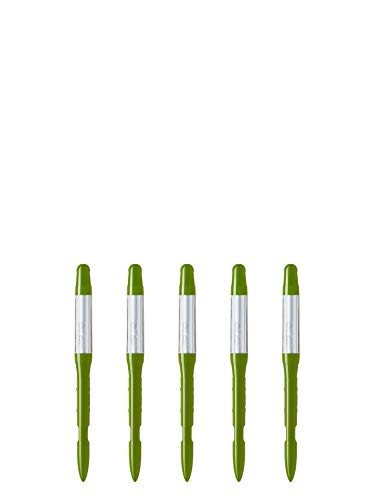
    Sustee Aquameter, Set of 5, Plant Soil Moisture Sensor (Green, Small)
    Sustee Aquameter, Set of 5, Plant Soil Moisture Sensor (Green, Small)

    Dimensions: 0.4 x 0.3 x 4.7 inches (small) - Intended for pot sizes of 2, 2.5, and 3 - Ideal for small succulents

    VIEW LATEST PRICE

    As an affiliate, we earn on qualifying purchases.

    Soil Moisture Meter for House Plants, Plant Water Meter,Plant Moisture Meter for House Plants and Outdoor Plants, No Batteries Required (Green)
    Soil Moisture Meter for House Plants, Plant Water Meter,Plant Moisture Meter for House Plants and Outdoor Plants, No Batteries Required (Green)

    ✔️Accurate - A helpful tool of water meter for indoor plants which senses the moisture in the soil around plants. No more guess if the plant needs more or less water
    VIEW LATEST PRICE

    As an affiliate, we earn on qualifying purchases.

    GROWIT Plant Moisture Meter - Accurately Tells You When to Water Your Plants - 26cm, No Battery Needed
    GROWIT Plant Moisture Meter - Accurately Tells You When to Water Your Plants - 26cm, No Battery Needed

    STOP OVERWATERING - Our soil moisture meter prevents overwatering or under-watering. Your plants will thank you! Total length of this meter 26 cm (10.24 inch) and probe 7 inch (17.8 cm).

    VIEW LATEST PRICE

    As an affiliate, we earn on qualifying purchases.

    Conclusion

    Keep a close eye on your green bean plants to ensure they are not being overwatered. Stunted growth is a clear indicator that adjustments need to be made in your watering routine. By monitoring soil moisture levels and taking proactive steps like pruning affected areas, you can help your green beans thrive. Remember, healthy plants lead to bountiful harvests.

    Frequently Asked Questions

    How does overwatering affect green bean plants?

    Overwatering green bean plants can lead to Mold Growth, affecting plant health and growth. Stunted growth is a common sign of overwatering, where roots struggle to absorb nutrients, resulting in smaller and fewer leaves.

    What are the recommended steps to address stunted growth in green bean plants?

    To address stunted growth in green bean plants, adjust watering routines, monitor soil moisture levels regularly, and prune affected parts. These steps can help in reviving green bean plants to reach their full potential.

    Why is stunted growth a cause for concern in green bean plants?

    Stunted growth in green bean plants indicates an underlying issue, such as overwatering, that can impact plant health and yield. Addressing stunted growth promptly is crucial to prevent further damage and allow the plants to recover effectively.

    Share. Facebook Twitter Pinterest LinkedIn Tumblr WhatsApp Email
    Previous ArticleOptimize Green Bean Growth: Best Organic Soil Amendments Revealed
    Next Article Optimize Your Green Bean Garden: Mastering No-Till Farming Techniques
    lucy stone
    Lucy Stone

      Hi, I'm Lucy! As a passionate gardener and writer for Veggie Knowledge, I've dedicated my life to exploring the secrets of successful vegetable growing. My love for gardening blossomed in my grandmother's backyard, where I learned how much joy a single plant can bring. I aim to share that joy through practical tips and insightful advice, helping you cultivate your own thriving garden

      Related Posts

      Top Green Bean Varieties for Thriving Container Gardens

      July 11, 2024

      Expert Tips for Collecting and Storing Green Bean Seeds like a Pro

      July 11, 2024

      Identifying and Treating Bacterial Blight in Green Beans: A Comprehensive Guide

      July 11, 2024

      Effective Methods to Preserve Green Beans: From Pickling to Dehydrating

      July 11, 2024
      Leave A Reply Cancel Reply

      Affiliate Disclosure

      As an Amazon Associate, I earn from qualifying purchases.

      Recommended Reading

      How to Grow Habanero Peppers Indoors: Pro Secrets Revealed

      Growing Vegetables

      How Long Does It Take Spinach to Grow? Quick Reset Guide

      Growing Vegetables

      How to Grow Monkey Grass From Berries: Step-by-Step Guide

      Growing Vegetables

      How to Grow Hyacinth Bean Vine From Seed: Step-by-Step Guide

      Growing Vegetables

      How to Know When Potatoes are Done Growing? Diagnostic Guide

      Growing Vegetables

      Environmental Impact of Growing Tomatoes: Everything You Need to Know

      Growing Vegetables

      How to Grow Eggplant From Seed: Step-by-Step for Beginners

      Growing Vegetables

      How Much Water Does Watermelon Need to Grow? Essential Tips

      Growing Vegetables
      How VeggieKnowledge.com Got Started

      We started this website to share our love of vegetables with the world, and to help people discover the many benefits of growing, cooking, and eating fresh and delicious vegetables.

      Got questions or comments? You can reach us at [email protected].

      Featured Articles

      10 Common Gardening Mistakes (and How to Avoid Them)

      How Much Sun Do Vegetables Really Need?

      Beginner’s Guide to Growing Vegetables: What to Know Before You Start

      Watering 101: How to Keep Your Plants Happy and Healthy

      The Best Vegetables for First-Time Gardeners

      Categories
      • Beets
      • Broccoli
      • Carrots
      • Cucumber
      • Green Beans
      • Tips and Advice
      Veggie Knowledge
      • Home
      • About
      • Contact
      • Privacy Policy
      • Affiliate Disclosure
      • Free eBook
      © 2026 Veggie Knowledge

      Type above and press Enter to search. Press Esc to cancel.