

Are you wondering if buying organic broccoli is worth it? Picture this: you’re in the produce aisle, eyeing the vibrant green bunches, unsure if the organic label is worth the extra cost. In this article, we’ll explore the benefits of choosing organic broccoli and help you make an informed decision.
Have you ever felt torn between conventional and organic options? You’re not alone. With concerns about pesticides and environmental impact on the rise, knowing the advantages of organic broccoli can make your choice clearer.
Discover the reasons why opting for organic broccoli might be a game-changer for you. From health benefits to supporting sustainable farming practices, we’ll delve into why this choice could be a win-win.
What is Organic Broccoli?
When it comes to organic broccoli, it’s all about how it’s grown:
- No Synthetic Pesticides: Organic broccoli is cultivated without synthetic pesticides.
- No GMOs: You won’t find any genetically modified organisms in organic broccoli.
- Environmentally Friendly Practices: Organic farmers use sustainable techniques, preserving the land for future generations.
- Certified Organic: Look for the USDA organic label to ensure your broccoli meets organic standards.
With organic broccoli, you’re investing in your health and the environment.
Recommended Products


Two Unique Blends, Endless Nutrition - Enjoy the best of both worlds with our Superfood Blend and Protein Blend sprouting seed variety pack. Each 8 oz bag of seeds for planting is carefully crafted to deliver a variety of fresh, flavorful sprouts or microgreens that are packed with nutrients ideal for adding a healthy boost to your meals. This package includes seeds and growing instructions only. Sprouting jar sold separately.
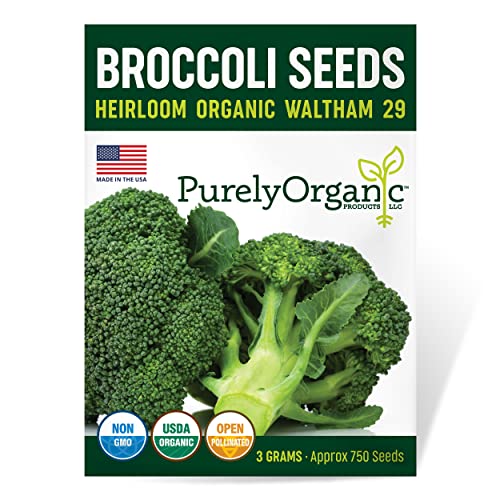
Brassica Oleracea Var. Italica: These finest quality, non-GMO, USDA Organic Waltham 29 Broccoli seeds produce crisp, crunchy, dark greenish-blue florets, leaves and stems that are packed with flavor and vitamins. They’re great on a plate!
Health Benefits of Organic Broccoli
When it comes to organic broccoli, the benefits it offers go beyond just being pesticide-free. Here are some key advantages of choosing organic broccoli for your health:
- Higher Nutrient Content: Organic broccoli tends to have higher levels of nutrients such as Vitamin C, Vitamin K, and antioxidants compared to conventionally grown broccoli.
- Lower Pesticide Residue: Choosing organic broccoli means reducing your exposure to pesticides that are commonly found in conventionally grown produce.
- Promotes Overall Well-being: The nutrient-dense profile of organic broccoli can contribute to your overall health and well-being, helping to support a strong immune system and healthy digestion.
By opting for organic broccoli, you not only make a choice that benefits your health but also supports sustainable farming practices that prioritize environmental health. Remember, making small changes like choosing organic broccoli can have a positive impact on both your health and the planet.
Environmental Impact of Organic Broccoli
When it comes to the environmental impact, organic broccoli stands out for several reasons:
- Reduced Chemical Use: Organic farming methods prohibit synthetic pesticides and fertilizers, minimizing the impact on soil, water, and nearby ecosystems.
- Biodiversity Support: By avoiding harmful chemicals, organic broccoli farms promote biodiversity, fostering a healthier and more balanced ecosystem.
- Soil Health: Organic practices prioritize soil health, enriching the land for future crops and reducing erosion.
Remember, choosing organic broccoli not only benefits your health but also plays a role in sustainable agriculture practices that protect the environment.
Cost Analysis: Organic vs. Conventional Broccoli
When considering whether to buy organic or conventional broccoli, cost is often a top concern. While organic broccoli typically has a higher price tag than conventional broccoli, it’s important to weigh the economic factors before making a decision.
- Organic Broccoli:
- Higher initial cost: Due to the labor-intensive methods used in organic farming.
- Long-term benefits: Supports environmental sustainability and may reduce healthcare costs.
- Conventional Broccoli:
- Lower initial cost: Generally more affordable at the grocery store.
- Hidden costs: Environmental degradation and health implications due to pesticide use.
When comparing organic and conventional broccoli costs, you should consider factors beyond the price per pound. Look at the long-term implications for both your health and the environment before making a decision.
Recommended Products


Fermented Broccoli for Detox Support: Dr. Mercola Fermented Broccoli Sprouts helps support your body's healthy detoxification processes and overall cellular health*
Making an Informed Decision
When deciding whether to buy organic broccoli, there are key factors to consider to make an informed choice.
- Health Benefits:
- Organic broccoli is grown without synthetic pesticides or fertilizers, reducing your exposure to harmful chemicals.
- It may have higher levels of certain nutrients, such as antioxidants and vitamins like vitamin C.
- Environmental Impact:
- Organic farming practices promote soil health and biodiversity while reducing pollution.
- By choosing organic, you support sustainable agricultural methods that benefit the planet.
- Long-Term Costs:
- While organic broccoli may cost more initially, consider the potential savings on future healthcare expenses by eating pesticide-free produce.
- Think about the long-term sustainability of your food choices and their impact on your health and the environment.
- Personal Values:
- Your decision can reflect your values about health, the environment, and supporting sustainable farming practices.
- Buying organic may align with your desire to contribute to a healthier planet and your well-being.
By weighing these factors, you can make a conscious choice that aligns with your health, values, and the well-being of the planet.
Conclusion
When deciding whether to buy organic broccoli, it’s essential to consider your health, the environment, and your values. Organic broccoli offers health benefits due to its pesticide-free cultivation and potentially higher nutrient levels. Choosing organic supports sustainable farming practices and reduces pollution. Factor in long-term savings from potential health benefits and align your choices with your values. Make a conscious decision that prioritizes your well-being and the planet’s health.
Frequently Asked Questions
Is organic broccoli really healthier than conventional broccoli?
Yes, organic broccoli is considered healthier as it is grown without synthetic pesticides, potentially containing higher nutrient levels.
How does organic farming positively impact the environment?
Organic farming practices promote sustainability and reduce pollution, benefiting the ecosystem and biodiversity.
Should I consider long-term costs when choosing between organic and conventional broccoli?
Yes, think about potential healthcare savings from consuming pesticide-free produce over time and how it aligns with your values.
