

Ever wondered why your broccoli plants aren’t thriving as they should? Maybe you’ve encountered droopy leaves or stunted growth. It’s frustrating when your efforts don’t yield the vibrant greens you envisioned. But fret not, as we’re here to guide you through the ins and outs of caring for your broccoli plants.
Understanding Broccoli Plant Needs
To ensure your broccoli plants thrive, it’s crucial to understand their specific needs. Here are key factors to consider:
- Sunlight: Place your broccoli plants in an area that receives at least 6 hours of sunlight daily.
- Watering: Keep the soil consistently moist but not waterlogged. Aim to water your broccoli plants deeply once a week.
- Nutrients: Fertilize your broccoli plants with a balanced fertilizer high in nitrogen every 3-4 weeks.
- Soil pH: Broccoli plants prefer slightly acidic soil with a pH level between 6.0 and 7.0.
- Spacing: Ensure proper spacing between broccoli plants to allow for good air circulation and prevent overcrowding.
Taking care of these essential needs will support your broccoli plants’ growth and help you achieve a bountiful harvest.
Choosing the Right Location for Broccoli Plants
When choosing a location for your broccoli plants, opt for a spot that receives full sunlight. Broccoli thrives in at least 6 hours of direct sunlight daily. A sunny area ensures healthy growth and robust yields.
Ensure the soil is well-draining to prevent waterlogging, which can harm your plants. Broccoli prefers moist, fertile soil with a pH level between 6.0 and 7.0.
Consider spacing your broccoli plants appropriately to allow for adequate air circulation. This helps prevent diseases and promotes overall plant health.
Adequate spacing also prevents overcrowding, which can lead to competition for nutrients and hinder growth.
By selecting the right location for your broccoli plants, you lay a solid foundation for a successful harvest.
Relevant Data
| Sunlight Needed | At least 6 hours daily |
|---|---|
| Soil pH | Between 6.0 and 7.0 |
Planting Broccoli Seeds or Seedlings
When planting broccoli seeds, you’ll want to start them indoors about 6-8 weeks before the last spring frost. Here are some steps to follow:
- Select a sunny location with rich, well-draining soil.
- Plant the seeds about 1/4 inch deep in starter pots or trays.
- Keep the soil moist until the seeds germinate.
- Transplant the seedlings outdoors once they have a few sets of leaves.
If you prefer broccoli seedlings, look for healthy, stocky plants and follow these guidelines:
- Prepare the soil with compost or organic matter.
- Dig holes slightly larger than the root ball of the seedling.
- Place the seedlings in the holes and cover the roots gently.
- Water thoroughly after planting.
By following these steps, you can ensure a strong start for your broccoli plants.
Recommended Products

EASIER SEED STARTING: Our Burpee SuperSeed tray with 36 flexible pop-out cells is designed to simplify indoor seed starting for all your favorite vegetables, flowers and herbs. Just add seed starting mix, seeds, water and light to get growing! Rows are labeled alphanumerically for seedling identification with included Plant-o-Gram diagram. Tray dimensions: 11.5" x 10-3/8" x 2-1/4"

EASIER SEED STARTING: Our Burpee SuperSeed tray with 8 extra-large flexible pop-out cells is designed to simplify indoor seed starting. Just add seed starting mix, seeds, water and light to get growing! Perfectly sized for starting seeds in the windowsill: 11.5" x 5-3/16" x 2-1/4". Rows are labeled alphanumerically for seedling identification with included Plant-o-Gram diagram.

Upgraded Flexible Cells: Upgraded Silicone Seed Starter Tray with 12 flexible pop-out cells per tray. The soft silicone cells keep seedlings well protected and can be gently bent and popped out when it's time to transplant to your outdoor garden! Our seed starting trays are specifically designed to reduce stress on seedlings, so you won't damage their roots when transplanting
Watering and Fertilizing Broccoli Plants
Taking care of your broccoli plants involves proper watering and fertilizing to ensure healthy growth and abundant harvests.
- Watering: Broccoli plants need about 1-1.5 inches of water per week. Ensure the soil is consistently moist but not waterlogged.
- Fertilizing: When your broccoli plants reach about 3-4 inches tall, it’s time to fertilize. Use a balanced fertilizer or compost to provide essential nutrients.
- Mulching: Consider mulching around your broccoli plants to retain moisture, regulate soil temperature, and prevent weed growth.
- Additional Tip: Avoid over-fertilizing, as it can lead to poor plant growth and affect the flavor of your broccoli florets.
Keep an eye on your broccoli plants’ watering needs, and feed them appropriately to nurture strong, healthy plants.
Recommended Products

BIGGER PLANTS: Miracle-Gro Water Can Singles All Purpose Plant Food is a water soluble plant fertilizer that grows plants twice as big (vs unfed plants)

SUPERCHARGE YOUR GARDEN: Elevate your plants' growth with premium organic Brut Worm Castings. Our certified organic formula guarantees optimal nutrition for your indoor and outdoor plants.
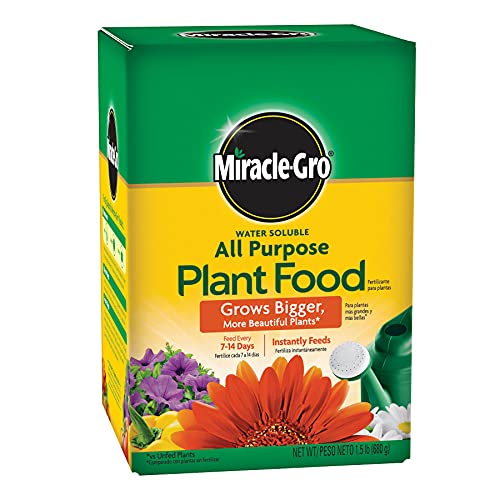
FEEDS ALL PLANTS: Miracle-Gro Water Soluble All Purpose Plant Food is a plant fertilizer that feeds all outdoor, in-ground and indoor plants, including roses, flowers, houseplants, vegetables, and trees
Managing Pests and Diseases
When it comes to managing pests on your broccoli plants, regular inspection is key. Look out for common culprits like aphids, cabbage worms, and flea beetles.
Natural predators like ladybugs and lacewings can help keep pest populations in check. Consider introducing them to your garden to combat pests organically.
If you notice signs of disease such as black rot or clubroot, it’s essential to act promptly. Remove infected plants to prevent the spread and avoid planting brassicas in the same spot next season.
Preventive measures such as crop rotation and maintaining proper plant spacing can minimize the risk of pests and diseases.
Neem oil or insecticidal soap can be effective for controlling pests, while copper fungicides are often recommended for treating fungal diseases.
Regularly monitoring your broccoli plants for any signs of trouble and taking timely action can help ensure a healthy harvest.
Conclusion
Taking care of your broccoli plants requires consistent monitoring and prompt action. Keep an eye out for common pests like aphids and cabbage worms, and encourage natural predators like ladybugs to help control them. If diseases like black rot or clubroot are spotted, act quickly by removing infected plants and implementing preventive measures such as crop rotation. Utilize neem oil and copper fungicides to manage pests and diseases effectively. Remember, regular inspection and timely intervention are essential for a successful broccoli harvest. Happy gardening!
Frequently Asked Questions
What are the common pests to watch out for when growing broccoli plants?
Common pests to watch out for when growing broccoli plants include aphids and cabbage worms. Regular inspection and prompt action are essential.
How can natural predators help control pests in a broccoli garden?
Natural predators like ladybugs can help control pests in a broccoli garden by consuming common pests like aphids and cabbage worms.
What should be done if diseases like black rot or clubroot are found on broccoli plants?
If diseases like black rot or clubroot are found on broccoli plants, prompt action is necessary. Remove infected plants and practice preventive measures like crop rotation.
What are some recommended methods for pest and disease control in broccoli plants?
Neem oil and copper fungicides are recommended for pest and disease control in broccoli plants. Consistent monitoring and timely action are crucial for a successful harvest.
