

Ever wondered how to give your cucumber plants a little extra boost? Have you found yourself scratching your head over yellowing leaves or stunted growth? That’s where Epsom salt comes into play! In this article, you’ll uncover the secrets of using Epsom salt to supercharge your cucumber plants’ growth and health.
Picture this: You’ve put in the effort to cultivate a beautiful cucumber garden, only to be met with lackluster results. It can be frustrating, right? But fret not! By the end of this read, you’ll be equipped with the knowledge to transform your cucumber patch into a thriving oasis.
Benefits of Using Epsom Salt for Cucumber Plants
Adding Epsom salt to your gardening routine can significantly benefit your cucumber plants. Here are some reasons why:
- Improved Nutrient Absorption: Epsom salt helps cucumber plants absorb nutrients like sulfur and magnesium more efficiently.
- Increased Growth: Magnesium aids in the production of chlorophyll, promoting growth and yield.
- Healthier Leaves: It can prevent yellowing leaves and promote lush, green foliage.
- Combat Mineral Deficiencies: Epsom salt can address magnesium deficiency in cucumber plants.
To reap these benefits, consider incorporating Epsom salt into your gardening routine for healthier cucumber plants.
Recommended Products

PREMIUM QUALITY INGREDIENTS – Cz Garden Magnesium Sulfate is a water soluble, high purity fertilizer designed to boost the healthy development of all your indoor flowers, lawn, and garden vegetables.

AGRICULTURAL GRADE EPSOM SALT (MAGNESIUM SULFATE): High-quality magnesium sulfate designed for outdoor use to support healthy plant growth and soil balance.

Magnesium Support for Plants – Formulated to supply magnesium and sulfur for healthy plant growth.
How Epsom Salt Affects Soil and Plant Growth
When added to soil, Epsom salt can provide essential nutrients that promote the growth of cucumber plants.
- Magnesium from Epsom salt helps with the activation of enzymes and plays a crucial role in photosynthesis.
- Sulfur in Epsom salt is vital for the production of amino acids, proteins, and enzymes in plants.
Healthy Soil:
- Epsom salt supports the creation of fertile soil that nurtures cucumber plants.
- It helps maintain the pH balance, ensuring optimal conditions for plant growth.
Improved Nutrient Absorption:
- Epsom salt aids in the uptake of nitrogen, phosphorus, and other nutrients essential for plant development.
- This enhanced absorption can result in greener leaves and livelier plants.
Increased Growth:
- The benefits of Epsom salt include improved growth rates and better fruit production in cucumber plants.
- Its impact on plant vigor can lead to a more abundant harvest.
Combatting Deficiencies:
- Epsom salt can address mineral deficiencies like magnesium deficiency, restoring the plant’s health.
- It’s a cost-effective way to ensure your cucumber plants receive the nutrients they need.
Incorporating Epsom salt into your gardening routine may be the key to unlocking the full potential of your cucumber plants.
Signs Your Cucumber Plants Could Benefit from Epsom Salt
If you notice any of the following signs in your cucumber plants, it could be an indication that they would benefit from Epsom salt:
- Yellowing Leaves: If your cucumber plant’s leaves are yellow and not vibrant green, it might indicate a magnesium deficiency that Epsom salt can help address.
- Stunted Growth: Slow or stunted growth in your cucumber plants could be a sign of nutrient deficiencies, such as lack of magnesium, which Epsom salt can provide.
- Poor Fruit Production: If your cucumber plants are not producing fruits or the fruits are underdeveloped, they might lack essential nutrients like sulfur that Epsom salt can supply.
- Leaf Curling or Distortion: Curled or distorted leaves on your cucumber plants may signal a mineral deficiency that could be improved by incorporating Epsom salt into your gardening routine.
- Lackluster Appearance: If your cucumber plants look overall unhealthy or lackluster, a lack of essential nutrients like magnesium and sulfur could be to blame, making Epsom salt a beneficial addition.
By recognizing these signs early on, you can proactively address any nutrient deficiencies in your cucumber plants and potentially enhance their overall health and productivity with the help of Epsom salt.
Recommended Products
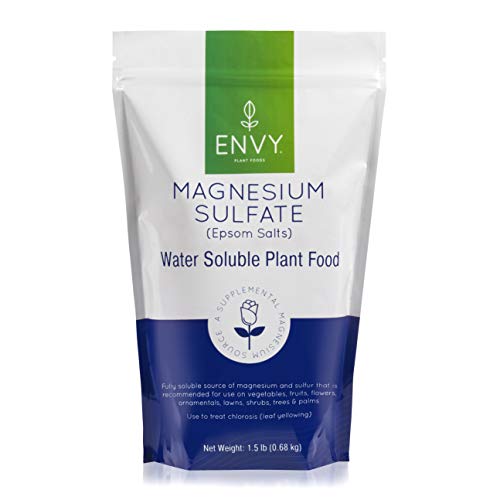
100% ORGANIC - we use only top-quality ingredients that allow for maximum solubility in warm or cold water, for optimal dilution ratios
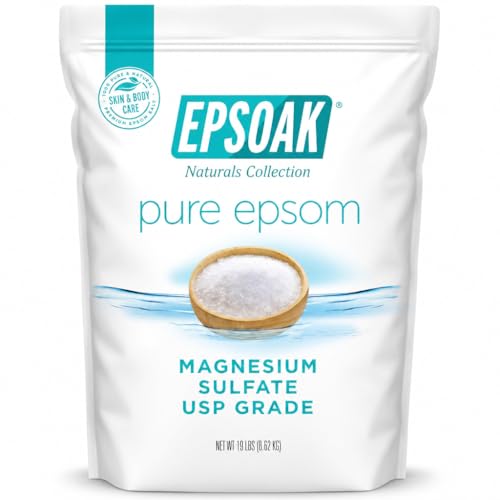
100% PURE EPSOM SALT (MAGNESIUM SULFATE USP): Unscented Epsom salt made with magnesium sulfate USP for a clean, simple soak with no added fragrance.

Epsom Salt (Magnesium Sulfate) can increase seed germination and nutrient uptake
Best Practices for Applying Epsom Salt to Cucumber Plants
When it comes to applying Epsom salt to your cucumber plants, here are some best practices to follow:
- Dissolve Epsom salt in water before application to ensure even distribution and prevent burning the plants.
- Apply the Epsom salt solution to the soil at the base of the plants once a month during the growing season.
- Avoid overapplication of Epsom salt, as excessive amounts can negatively impact plant health.
- Monitor your cucumber plants for improvements after applying Epsom salt to adjust your application frequency accordingly.
- Consider conducting a soil test to determine if your cucumber plants truly need Epsom salt before application.
By following these best practices, you can optimize the benefits of using Epsom salt for your cucumber plants.
Recommended Products
Epsom Salt (Magnesium Sulfate) can increase seed germination and nutrient uptake

PREMIUM QUALITY INGREDIENTS – Cz Garden Magnesium Sulfate is a water soluble, high purity fertilizer designed to boost the healthy development of all your indoor flowers, lawn, and garden vegetables.

【High Purity】: Yield Titan Magnesium Sulfate (Epsom Salt) ensures consistent quality and reliable performance with its high-purity magnesium sulfate heptahydrate (MgSO4.7H2O). This purity guarantees that the product delivers maximum efficacy in all its applications, from gardening to industrial processes.
Common Mistakes to Avoid When Using Epsom Salt on Cucumber Plants
When applying Epsom salt to your cucumber plants, it’s crucial to avoid common mistakes that could hinder their growth. Here are some pitfalls to steer clear of:
- Overapplication: More doesn’t always mean better. Stick to recommended amounts to prevent nutrient imbalances.
- Foliage Application: Directly applying Epsom salt to the leaves can burn them. Focus on the soil instead.
- Inconsistent Application: Regularity is key. Don’t forget monthly applications at the base of the plants.
- Lack of Monitoring: Keep an eye on your plants. Monitor changes to adjust your Epsom salt usage accordingly.
- Skipping Soil Testing: Testing your soil can optimize Epsom salt benefits. Don’t miss this crucial step.
By steering clear of these missteps, you can ensure that Epsom salt benefits your cucumber plants effectively.
Conclusion
You’ve learned about the benefits of using Epsom salt for cucumber plants, from addressing nutrient deficiencies to improving overall plant health. By following the recommended application methods and avoiding common mistakes, you can ensure that your cucumber plants thrive and produce abundant, healthy fruits. Remember to monitor your plants closely for any improvements and consider conducting a soil test before using Epsom salt to maximize its effectiveness. With proper care and attention, your cucumber plants can enjoy the benefits of Epsom salt and flourish in your garden. Happy gardening!
Frequently Asked Questions
Q: How do I know if my cucumber plants need Epsom salt?
A: Look for yellowing leaves and poor fruit production as signs that your cucumber plants may benefit from Epsom salt.
Q: What are the best practices for applying Epsom salt to cucumber plants?
A: Dissolve Epsom salt in water for even distribution, apply monthly at the base of plants, avoid overapplication, monitor improvements, and consider a soil test before use.
Q: What are common mistakes to avoid when using Epsom salt on cucumber plants?
A: Avoid overapplication, applying to foliage, inconsistent application, lack of monitoring, and skipping soil testing to ensure effective Epsom salt use.
