

Are you dreaming of harvesting fresh cucumbers from your own garden? Picture this: juicy, crisp cucumbers straight from the vine, ready for your salads and snacks. But where do you start? In this article, you’ll discover the simple steps to plant cucumber plants and nurture them to bountiful fruition.
Have you ever found yourself overwhelmed by the thought of starting a garden, unsure of how to begin? You’re not alone. Planting cucumber plants might seem daunting, but with the right guidance, it can be a rewarding experience. This article will walk you through the process, making it easy and enjoyable for you to grow your own cucumbers at home.
Selecting the Right Location
When choosing a location for your cucumber plants, consider the following factors:
- Sunlight: Cucumbers thrive in full sunlight, so pick a spot that gets at least 6-8 hours of direct sunlight each day.
- Soil Quality: Ensure the soil is well-draining and rich in organic matter for optimal growth.
- Space: Cucumber plants need plenty of room to spread out, so select an area with enough space for the vines to grow.
Let’s move on to preparing the soil for planting.
Preparing the Soil
When it comes to planting cucumber plants, one of the key steps is Preparing the Soil. Here’s how you can get your soil ready for your cucumber plants:
- Test the Soil: Ensure your soil has a pH level between 6 to 7.
- Clear the Area: Remove any weeds or debris from the planting site.
- Loosen the Soil: Use a garden fork to loosen the soil to a depth of about 12 inches.
Remember, cucumber plants thrive in well-draining, organic-rich soil that’s ready to nourish their growth.
Choosing Cucumber Varieties
When selecting cucumber varieties for your garden, consider the following factors:
- Pickling Cucumbers: Ideal for making pickles, with a crisp texture and smaller size.
- Slicing Cucumbers: Great for fresh consumption, typically larger and perfect for salads.
Remember to choose varieties that thrive in your specific climate for the best results.
Recommended Products
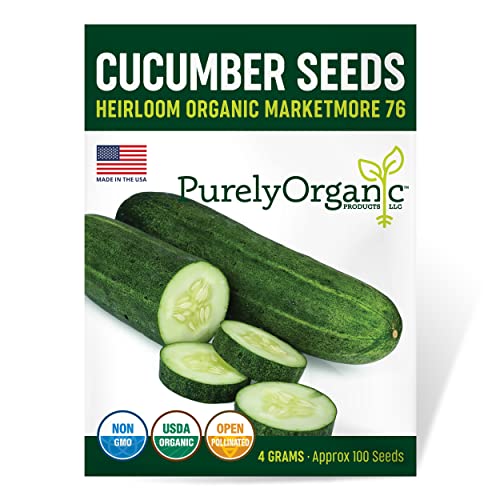
Cucumis Sativus: These finest quality, non-GMO, USDA Organic Marketmore Cucumber seeds produce hefty dark green, smooth fruits 8-9 inches long with a sweet and mild flavor ideal for slicing, salads, sandwiches and soups.

ORGANIC CERTIFICATION: Certified Organic seeds ensure chemical-free cultivation from start to finish; Non-GMO heirloom variety maintains natural genetic integrity; Safe for organic gardening practices and sustainable agriculture

Planting Cucumber Seeds or Seedlings
When planting cucumber seeds or seedlings, it’s essential to select a sunny location with well-draining soil. Here are the key steps to guide you through the process:
- Prepare the soil: Ensure the soil is rich in organic matter and loose to encourage proper root growth.
- Choose the right time: Plant cucumber seeds or seedlings outdoors after the last frost date when the soil has warmed up.
- Sow seeds or transplant seedlings: Follow the recommended spacing for cucumber plants to allow for adequate air circulation.
- Water diligently: Cucumbers need consistent moisture, especially during the flowering and fruiting stages.
- Mulch the soil: Mulching helps retain moisture and suppress weeds around the plants.
Did you know that cucumber plants thrive in temperatures between 70°F and 90°F?
| Important facts |
|---|
| Optimal temperature for cucumber plants: 70-90°F |
By following these steps, you’ll set your cucumber plants on the right path for a bountiful harvest.
Recommended Products

EASIER SEED STARTING: Our Burpee SuperSeed tray with 36 flexible pop-out cells is designed to simplify indoor seed starting for all your favorite vegetables, flowers and herbs. Just add seed starting mix, seeds, water and light to get growing! Rows are labeled alphanumerically for seedling identification with included Plant-o-Gram diagram. Tray dimensions: 11.5" x 10-3/8" x 2-1/4"

EASIER SEED STARTING: Our Burpee SuperSeed tray with 8 extra-large flexible pop-out cells is designed to simplify indoor seed starting. Just add seed starting mix, seeds, water and light to get growing! Perfectly sized for starting seeds in the windowsill: 11.5" x 5-3/16" x 2-1/4". Rows are labeled alphanumerically for seedling identification with included Plant-o-Gram diagram.

Self-Watering System: No more over-watering or under-watering! You won't need to water frequently. The bottom of the seedling tray and capillary mat maintain ideal humidity, preventing over-watering or soil drying out. This promotes healthy root development, saves time and effort, and allows you to enjoy the fun of planting with ease.
Caring for Cucumber Plants
When Caring for Cucumber Plants, attention to detail is key. Here are some essential tips to ensure a thriving cucumber patch:
- Watering: Keep the soil consistently moist, especially during dry spells.
- Fertilizing: Feed your plants with a balanced fertilizer every few weeks to promote healthy growth.
- Pruning: Pinch off any yellow leaves or overgrown branches to redirect energy to fruit production.
- Pest Control: Keep an eye out for common pests like aphids and cucumber beetles. Consider using natural remedies like neem oil.
- Harvesting: Pick cucumbers promptly when they reach the desired size to encourage more fruit to grow.
Remember, a little care goes a long way in cultivating robust cucumber plants, leading to a bountiful harvest.
Recommended Products

PLANT DISEASE CONTROL: Natria Neem Oil acts as an insecticide and fungicide in one convenient spray; Ready-to-use trigger sprayer requires no mixing

Protect your oasis with Captain Jack’s Neem Max Ready-to-Use Spray; this multipurpose product acts as a 4-in-1 insecticide, fungicide, miticide and nematicide

An Organic Neem Oil Spray for Plants with a Powerful Essential Oil Blend (cedarwood, lemon, clove, cinnamon, eucalyptus, and rosemary) for healthier plants every time you spray. Big Leaf Energy is a multi-purpose spray for healthier, more resilient leaves and soils—and it smells amazing.
Conclusion
You now have the essential knowledge to plant and care for cucumber plants successfully. By following the tips provided in this article, you can ensure your cucumber plants thrive and produce a bountiful harvest. Remember to water consistently, fertilize appropriately, prune for optimal fruit production, and use natural remedies to control pests. Harvest your cucumbers promptly at the desired size to encourage continuous growth. Your attention to detail in caring for your cucumber plants will pay off with healthy plants and delicious cucumbers for you to enjoy. Happy gardening!
Frequently Asked Questions
Q: How often should I water my cucumber plants?
A: Water cucumber plants consistently to keep the soil moist, typically around 1-2 inches per week depending on weather conditions.
Q: What kind of fertilizer should I use for my cucumber plants?
A: Use a balanced fertilizer with equal parts nitrogen, phosphorus, and potassium to promote healthy growth and fruit production in cucumber plants.
Q: Why is pruning important for cucumber plants?
A: Pruning helps redirect energy towards fruit production, improves air circulation, and reduces the risk of disease in cucumber plants.
Q: How can I control pests like aphids and cucumber beetles on my cucumber plants?
A: Use natural remedies like neem oil or insecticidal soap to control pests on cucumber plants without harmful chemicals.
Q: When should I harvest my cucumbers for the best results?
A: Harvest cucumbers promptly when they reach the desired size to encourage more fruit growth and prevent them from becoming overripe.
