

Ever wondered why your cucumber seedlings seem overcrowded and struggle to thrive? Picture this: you eagerly plant your cucumber seeds, only to find them tangled in a jungle of green. How do you give each seedling the space it needs to flourish? That’s where thinning comes in.
Importance of Thinning Cucumber Seedlings
When it comes to thinning cucumber seedlings, the importance cannot be overstated. Here’s why it matters:
- Optimal Growth: To ensure that each seedling has enough space to spread its roots and grow without competition.
- Nutrient Absorption: Thinning allows the remaining seedlings to absorb nutrients more effectively, leading to healthier plants.
- Air Circulation: Proper spacing resulting from thinning promotes good airflow around the plants, reducing the risk of diseases.
- Sunlight Exposure: Adequate spacing means that each seedling gets enough sunlight, crucial for photosynthesis and overall plant health.
Thinning your cucumber seedlings is a vital step in promoting a successful harvest.
When to Thin Cucumber Seedlings
Thinning should begin when cucumber seedlings have 1-2 true leaves and are 3-4 inches tall.
Ensure there is adequate space between plants for optimal growth.
Follow these guidelines to decide when to start thinning:
- You’ll typically thin cucumber seedlings 2-3 weeks after they sprout.
- Look for overcrowding and remove any weaker or smaller seedlings.
- Aim for a distance of 6-12 inches between each plant for proper growth.
- Thinning early helps remaining seedlings develop stronger roots.
Remember, proper timing is key for healthy cucumber plants.
Tools Needed for Thinning
When thinning cucumber seedlings, you’ll need a few basic tools to get the job done effectively:
- Small Scissors or Shears: Used for cutting the unwanted seedlings at the soil level.
- Gloves: Protect your hands from any potential irritants in the soil or on the plants.
- Spray Bottle: Fill it with water to help settle the soil after thinning the seedlings.
Having these tools ready will make the thinning process smoother and ensure you can give your cucumber seedlings the best start for healthy growth.
Recommended Products

Can't Beat The equinox international Value - Our raving reviews speak for themselves. Customers LOVE our hair thinning shears! This specialized high quality Japanese 420 stainless steel Hair Thinning scissor is tempered with precise thinning blades and hand-sharpened thinning edges to evenly trim hair with ease and texturize hair for stylish looks. You won't ever need another hair thinning scissor again!

Premium Material - Made from 100% 440C Japanese stainless steel hair thinning scissor with precise thinning blades and hand-sharpened thinning edges to evenly trim hair with ease.

Crafted from 100% stainless steel, this hair thinning scissor boasts precision thinning blades and hand-sharpened edges for effortless hair trimming.
Step-by-Step Guide to Thinning Cucumber Seedlings
Thinning your cucumber seedlings is crucial for their health and growth. Here’s a simple guide to help you through the process:
- Start Early: Begin thinning when your seedlings have 1-2 true leaves and reach about 3-4 inches in height.
- Prepare Tools: Gather small scissors or shears, gloves for protection, and a spray bottle filled with water.
- Identify Seedlings: Look for weaker or overcrowded seedlings to remove.
- Choose Wisely: Select the strongest, healthiest seedlings to keep for optimal growth.
- Trim Carefully: Gently snip the unwanted seedlings at soil level to avoid disturbing the roots of the remaining plants.
- Space Them Out: Maintain proper spacing between seedlings to prevent competition for nutrients and sunlight.
- Water After Thinning: Use the spray bottle to settle the soil around the remaining seedlings.
Thinning your cucumber seedlings may seem like a small task, but it plays a significant role in ensuring a bountiful harvest. Keep these steps in mind for healthy and thriving cucumber plants.
Recommended Products

🌱Durable Material: The whole body of the plant transplanting tongs is made of high-quality stainless steel, easy to clean and does not rust, very durable.

BUILT TO LAST A LIFETIME WITH FULL STAINLESS STEEL: Crafted from a single piece of high-quality, rust-resistant stainless steel. Unlike tools with weak wooden handles, the Gardmate hand dibber is built for a lifetime of use, bending and wear in all weather conditions.
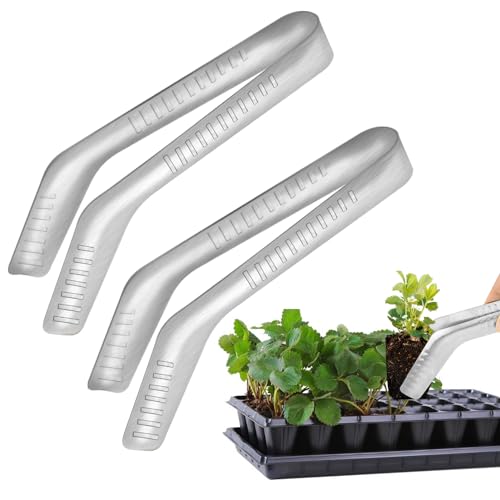
🌱Durable Material: The whole body of the plant transplanting tongs is made of high-quality stainless steel, easy to clean and does not rust, very durable.
Mistakes to Avoid During Thinning Process
When thinning your cucumber seedlings, there are a few common mistakes that you’ll want to steer clear of. These missteps can hinder the growth and development of your plants. Here’s what to avoid:
Delaying Thinning:
- Neglecting to thin your cucumber seedlings at the right time can lead to overcrowding, affecting the overall health of the plants.
Being Overzealous:
- While it’s essential to thin your seedlings, removing too many can leave gaps that may lead to soil erosion and decreased water retention.
Rough Handling:
- Careless thinning practices can damage the roots of the remaining seedlings, impacting their ability to absorb nutrients and water effectively.
Incorrect Technique:
- Pulling seedlings out by the stem instead of the root can disturb neighboring plants and disrupt the soil structure.
- Failing to maintain the recommended distance between seedlings can result in competition for resources, stunting the growth of the plants.
Remember, thinning is a delicate process that requires patience and precision. By avoiding these common mistakes, you can ensure that your cucumber seedlings thrive and yield a bountiful harvest.
Recommended Products
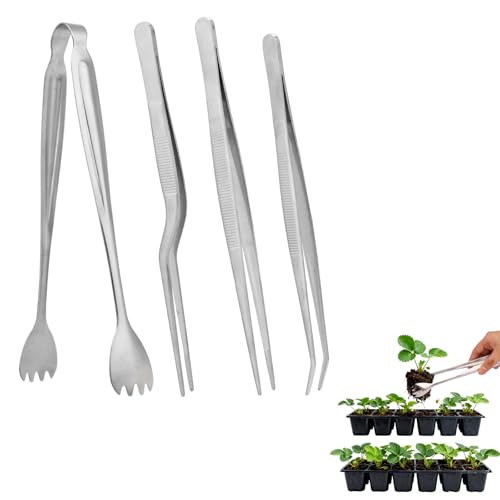
Complete Set: You will receive 1 piece of the seedling transplant tong and 3 pieces of the multi-functional tweezers. Ideal for delicate sowing, transplanting seedlings from seedling trays, and various fine motor tasks in gardening, kitchens, or crafts.

🌱Durable Material: The whole body of the plant transplanting tongs is made of high-quality stainless steel, easy to clean and does not rust, very durable.

Material: Made of good quality plastic, smooth surface without burrs, durable and lasting
Conclusion
Thinning your cucumber seedlings is a crucial step in ensuring healthy growth and a bountiful harvest. By avoiding common mistakes and practicing patience and precision, you set your seedlings up for success. Remember, gentle handling and proper spacing are key to promoting strong, thriving cucumber plants. Happy gardening!
Frequently Asked Questions
1. Why is thinning important for cucumber seedlings?
Thinning is crucial to ensure proper spacing between seedlings, allowing them to access light, nutrients, and water more effectively for optimal growth.
2. What are the common mistakes to avoid during thinning?
Common mistakes to avoid include delaying thinning, being overzealous and removing too many seedlings, rough handling that can damage roots, using incorrect techniques like pulling seedlings by the stem, and failing to maintain proper spacing between seedlings.
3. How does thinning impact the growth and harvest of cucumber plants?
Proper thinning promotes healthier plants with more space to grow, leading to higher yields and better quality cucumbers at harvest time.
