

Ever wondered why your green bean seedlings aren’t thriving as expected? Do you find yourself facing the dilemma of overcrowded plants struggling to reach their full potential? Picture this: a garden filled with promising sprouts, but you’re unsure how to guide them towards successful growth. In this article, you’ll uncover the essential practices for thinning green bean seedlings, ensuring your garden flourishes with healthy and robust plants.
Imagine the satisfaction of harvesting bountiful green beans, knowing you’ve provided them with the best start possible. By mastering the art of thinning seedlings, you’ll pave the way for improved air circulation, nutrient absorption, and overall plant vitality. Say goodbye to tangled and stunted growth, and welcome a garden brimming with thriving green bean plants. Get ready to transform your gardening experience with simple yet effective techniques for optimal seedling thinning.
Understanding the Importance of Thinning Green Bean Seedlings
When it comes to thinning green bean seedlings, understanding its importance is crucial for ensuring a successful garden. Proper thinning allows adequate space for each plant to thrive by reducing competition for resources such as water, nutrients, and sunlight.
Benefits of Thinning:
- Improved Air Circulation: Thinning promotes better airflow around plants, reducing the risk of diseases caused by excessive moisture.
- Enhanced Nutrient Absorption: With fewer seedlings competing for resources, each plant can access the nutrients it needs for healthy growth.
- Overall Plant Vitality: Thinning green bean seedlings results in stronger, more robust plants that are more resilient to environmental stressors.
- Overcrowding: Without thinning, green bean seedlings can become overcrowded, leading to stunted growth and reduced yield.
- Increased Susceptibility to Pests: Crowded plants are more prone to pest infestations and diseases, affecting the overall health of your garden.
By recognizing the significance of thinning green bean seedlings, you set the stage for a productive and thriving garden. Stay tuned for practical techniques on how to effectively thin your green bean seedlings for optimal results.
When to Thin Your Green Bean Seedlings
Seedlings should be thinned out when they reach about 2-3 inches tall. It’s crucial to thin them early to avoid competition for resources. Thinning is necessary to ensure your green bean plants have enough space to grow and thrive.
- 1 to 2 weeks after germination
- At least 2 inches tall
- Prevent overcrowding
Don’t delay thinning your green bean seedlings, as crowded plants can result in poor growth and limited yields. Once they reach the appropriate height, it’s time to thin them out.
How to Properly Thin Green Bean Seedlings
Thinning green bean seedlings is a key step in ensuring healthy plants and a bountiful harvest. Here’s how you can properly thin your green bean seedlings:
- Timing is crucial: Start thinning when your green bean seedlings reach 2-3 inches in height.
- Identify the strongest seedlings: Look for the healthiest and most robust plants during thinning.
- Spacing matters: Leave 4-6 inches between each plant to allow ample room for growth.
- Handle with care: Gently remove the weaker seedlings by snipping them at soil level using scissors or gardening shears.
- Avoid overcrowding: Overcrowding can lead to stunted growth and decreased yield.
- Regular monitoring: Keep an eye on the remaining seedlings to ensure they continue to thrive.
Thinning your green bean seedlings correctly sets the stage for a successful and productive garden.
Recommended Products

6.5 Inches Professional hair thinning scissors for family use.

Premium Material - Made from 100% Japanese stainless steel hair thinning scissor with precise thinning blades and hand-sharpened thinning edges to evenly trim hair with ease.
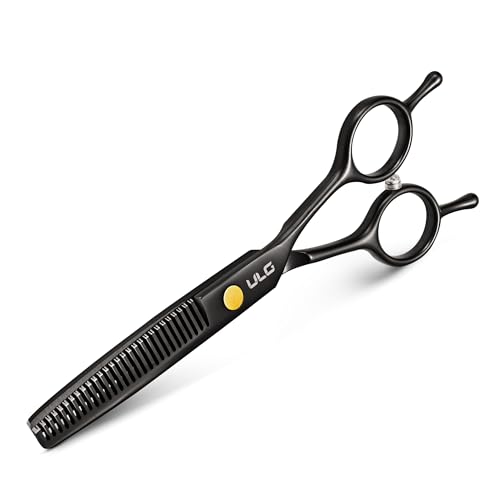
ULTRA SHARP BLADES: Made of 100% Japanese stainless steel, the ULG hair thinning shears feature ultra sharp and durable blades for smooth cutting, perfect for all hair types and quality. Sharp blades slice through each hair strand cleanly in a single motion, rather than crushing or fraying it. This prevents the hair shaft from tearing or splitting at the tip
Mistakes to Avoid During the Thinning Process
- Delaying Thinning: Thin your seedlings promptly to prevent competition for resources and optimize growth.
- Being Overzealous: Remove only the weakest seedlings, allowing the strongest ones space to thrive.
- Incorrect Technique: Handle seedlings delicately to prevent damage to the remaining plants.
- Underestimating Spacing: Ensure adequate spacing between seedlings to allow for healthy development.
Ensuring Success: Aftercare for Thinned Green Bean Seedlings
Thinning your green bean seedlings is a vital step towards a successful garden. Once you’ve carefully thinned them out, it’s important to provide proper aftercare to ensure optimal growth and harvest. Here are some essential tips to help you nurture your thinned green bean seedlings:
- Watering: After thinning, make sure to water your seedlings regularly. Keep the soil consistently moist but not waterlogged.
- Fertilizing: Consider fertilizing your green bean seedlings with a balanced fertilizer to provide them with essential nutrients for healthy growth.
- Sunlight: Place your thinned seedlings in a sunny spot where they can receive at least 6-8 hours of sunlight per day.
- Protection: Shield your seedlings from harsh weather conditions such as strong winds or extreme temperatures. You can use row covers or small shelters to protect them.
- Pest Control: Keep an eye out for any signs of pest infestations. Take preventive measures and address any issues promptly to protect your seedlings.
- Support: As your green beans grow, provide them with support structures such as trellises or stakes to help them climb and prevent damage.
Recommended Products

【Package included】:Crafted from robust hollow steel, this garden stakes features a fade-resistant green plastic coating, offering reliable protection against wind, rain, and rust. This Trellis for Climbing Plants Outdoor comes complete with everything you need to get started: 17pcs metal stakes, 8pcs T shape connect pipe, 2 A-shaped connectors, and a 0.9x1.8meter bird net.

High Quality: Trellis netting for climbing plants is made from sturdy 27 strands of high-quality nylon thread ( not 18 strands). Sturdy and durable, tear-resistant. Strong reaking strength supports heavy crop loads.

【Rust-Resistant Material】: Cucumber trellis is constructed with high-quality galvanized steel inner pipes and an exterior plastic coating, forming a dual-layer rust-proof barrier to ensure long-lasting durability
Conclusion
Now that you’ve mastered the art of thinning your green bean seedlings, it’s time to shift your focus to their aftercare. Remember to water, fertilize, and protect your seedlings to ensure they thrive in your garden. With the right amount of sunlight, weather protection, pest control, and support structures, your green beans will grow strong and healthy, ready for a bountiful harvest. By following these essential aftercare steps, you’re setting yourself up for success in nurturing your green bean seedlings from thinning to maturity. Happy gardening!
Frequently Asked Questions
Why is thinning green bean seedlings important?
Thinning green bean seedlings is crucial to ensure proper spacing for each plant, allowing them to receive enough nutrients, sunlight, and water for healthy growth.
How should I water thinned green bean seedlings?
Water green bean seedlings consistently, keeping the soil evenly moist but not waterlogged. Aim to water the plants at their base to prevent water splashing on the leaves.
When should I fertilize thinned green bean seedlings?
Fertilize green bean seedlings after thinning with a balanced fertilizer once they have established themselves, following the manufacturer’s instructions for application.
How much sunlight do thinned green bean seedlings need?
Green bean seedlings require at least 6-8 hours of direct sunlight daily for optimal growth. Ensure they are placed in a sunny location or provide supplemental grow lights if needed.
How can I protect thinned green bean seedlings from pests and harsh weather?
Protect green bean seedlings from pests by using organic pest control methods or introducing beneficial insects. Shield them from harsh weather by covering with row covers or creating a sheltered environment.
Do thinned green bean seedlings need support as they grow?
As green bean seedlings grow, provide them with support structures such as trellises, stakes, or cages to help the plants climb and prevent them from bending or breaking under their weight.
