

Ever wondered how to keep your homegrown cucumbers fresh and crisp for longer? Picture this: you’ve put all that effort into growing your cucumbers, but they start losing their flavor and texture too soon. Fret not, because in this article, you’ll discover simple yet effective ways to store your homegrown cucumbers like a pro.
Selecting the Right Cucumbers
When storing homegrown cucumbers, choosing the right ones is crucial to ensuring their freshness and longevity. Here’s what you need to keep in mind:
- Pick firm cucumbers that are bright green in color.
- Avoid cucumbers that are soft, wrinkled, or have bruises.
- Opt for cucumbers that feel heavy for their size, indicating they are juicy.
Remember, selecting the best cucumbers sets the foundation for successful storage.
Harvesting at the Right Time
When it comes to harvesting cucumbers from your garden, timing is essential for storing them successfully.
Here are some key points to consider:
- Size Matters: Pick cucumbers when they reach the ideal size for their variety. Small cucumbers are often more flavorful.
- Check the Color: Harvest cucumbers when they are a vibrant green color, indicating ripeness.
- Firmness Test: Gently squeeze the cucumber; it should feel firm but not rock hard.
- Twist Off Carefully: Avoid tugging on the vine when picking cucumbers; instead, gently twist them off to prevent damage.
- Daily Check: Regularly inspect your plants for ripe cucumbers as they can grow quickly and may become overripe if left unharvested.
By following these guidelines, you can ensure that you harvest your cucumbers at the peak of freshness for optimal storage.
Cleaning and Preparing Cucumbers
When it comes to cleaning and preparing your home-grown cucumbers, following a few simple steps can help maintain their freshness for longer periods:
- Rinse each cucumber under cool running water to remove any dirt or debris.
- For a more thorough clean, use a vegetable brush to gently scrub the skin.
- Pat the cucumbers dry with a clean kitchen towel to remove excess moisture.
To prepare cucumbers for storage, consider these tips:
- Trim both ends of the cucumber before slicing or chopping them for salads or snacks.
- Keep the cucumbers whole if you plan to use them for pickling to maintain crispness.
- Avoid peeling cucumbers before storage, as the skin helps retain freshness.
By incorporating these simple cleaning and preparation steps into your routine, you can enjoy the full flavor and crisp texture of your home-grown cucumbers for longer periods.
Recommended Products

Nylon bristles clean thoroughly

Package includes: each set comes with 4 pieces of vegetable brushes, each in blue, rose red, yellow, green respectively, sufficient for daily using and replacing

VERSATILE, EFFECTIVE CLEANING POWER: Crafted from sustainable bamboo with recycled plant fiber and plastic bristles, The Ring Veggie Brush is a perfect choice for scrubbing vegetables and fruits, such as potatoes, carrots, mushrooms, and more.
Different Storage Options
When it comes to storing your home-grown cucumbers, you have a few options that can help extend their shelf life and maintain their freshness. Here are some storage methods you can try:
- Refrigerator Storage:
Keep your cucumbers in the crisper drawer of your refrigerator. Ensure they are dry before storing to prevent moisture buildup. - Plastic Wrap:
Wrap your cucumbers individually in plastic wrap before placing them in the refrigerator. This helps prevent dehydration and keeps them fresh longer. - Glass Jars:
If you’ve sliced your cucumbers and you’re not using them right away, store them in glass jars sealed airtight. This method is great for pickled cucumbers. - Pickling:
Pickling your cucumbers not only preserves them but also makes for a tasty snack or condiment. Properly sealed jars can keep pickles good for months.
By choosing the right storage method for your home-grown cucumbers, you can ensure that they stay fresh, crunchy, and ready for you to enjoy whenever you want.
Recommended Products

Protects Food: Wraps food to protect leftovers, snacks, and meal prep ingredients.

BUY IT ONCE, BUY IT RIGHT – Skip the flimsy imitations. Original Food Huggers are made with thick, durable, rip-resistant silicone designed to stretch, seal, and last for years. Better materials mean better performance—and less stuff ending up in the trash.
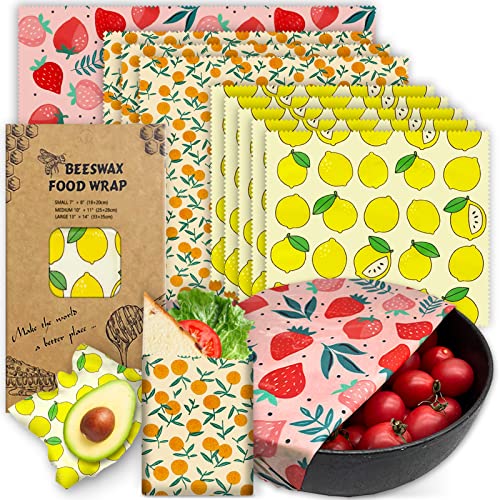
【Natural Ingredients】 Our organic reusable beeswax wrap are made from organic jojoba oil, organic cotton, ethically harvest beeswax, and tree resin. Beeswax wraps for food beeswax food wraps reusable beeswax food wrap beeswax paper beeswax wraps for food reusable wax wraps for food reusable beeswax paper food wrap reusable plastic wrap beeswax food wrap reusable wax food wrap beeswax sandwich wrap reusable wrap reusable sandwich wrap wax food wraps organic reusable food wraps.
Tips for Storing Cucumbers
Storing cucumbers properly is essential to maintain their freshness and crunchiness. Here are some tips to help you store your home-grown cucumbers effectively:
- Refrigerate Promptly: Place whole cucumbers in the refrigerator’s crisper drawer immediately after harvesting to keep them cool and crisp.
- Use Plastic Wrap: Wrap each cucumber individually in plastic wrap to prevent dehydration and preserve their moisture.
- Opt for Glass Jars: If you’ve sliced your cucumbers, store them in glass jars to maintain their texture and crunchiness.
- Consider Pickling: Pickling is a great way to preserve cucumbers for a longer period while adding delicious flavor to your harvest.
Remember, these storage methods will keep your cucumbers fresh and ready to enjoy whenever you crave a healthy snack or ingredient in your favorite dishes.
Recommended Products

AIRTIGHT SEAL FOR FRESH STORAGE:Glass food storage jars with secure lids designed to create an airtight seal that helps keep dry foods fresh longer. Reduces moisture entry and preserves flavor for snacks, grains, coffee, pasta, nuts, or baking ingredients. Made from non-toxic, BPA-free materials for safe everyday food storage.

【Pickle Longer Food&Large Capacity】The size of the pickle container with strainer is 4*8inch,capacity is 1350ml/46oz,upper half capacity is 900ml/30.4oz,the lower half capacity is 450ml/15.2oz.Not only has the capacity of this pickle jar been increased, but it has also been lengthened to meet the need for longer food,pickle long vegetables,like cucumbers or carrots,asparagus,green beans,okra,zucchini,jalapeños;longer fruits,like banana pepper,watermelon rind, pineapple spears,unripe papaya

8 oz Clear Plastic Jars (24 Pack) : Includes 24 BPA-free plastic jars with sleek black screw-on lids. Each jar measures 2.8" in diameter and 3.6" in height—perfect for home, kitchen, or professional use.
Conclusion
Keep your homegrown cucumbers fresh and crunchy by following simple storage tips. Refrigerate whole cucumbers in the crisper drawer, wrap them in plastic to maintain moisture, use glass jars for sliced cucumbers, and consider pickling for longer preservation. These methods ensure your cucumbers are always ready to enjoy. Happy gardening and storing!
Frequently Asked Questions
How should I store whole cucumbers to keep them fresh?
Refrigerate whole cucumbers promptly in the crisper drawer. Wrap them individually in plastic wrap to prevent dehydration.
What is the best way to store sliced cucumbers?
Use glass jars for sliced cucumbers. Make sure they are properly sealed to maintain freshness.
How can I preserve cucumbers for a longer shelf life?
Pickling cucumbers is an effective preservation method. It helps in prolonging their shelf life while retaining flavor.
What are the benefits of storing cucumbers properly?
Storing cucumbers properly ensures they remain fresh, crunchy, and ready for consumption at any time.
