

Ever wondered how long it takes for those cucumber seeds you planted to sprout? Picture this: eagerly checking your garden every day, hoping to see those tiny green shoots peeking through the soil. How long will it be until you can enjoy fresh cucumbers from your own backyard?
Factors Affecting Cucumber Seed Germination
Soil Temperature:
- Optimal range: 70-95°F
- Below 60°F: Slows germination
- Above 95°F: May inhibit germination
Moisture Level:
- Moist, not soggy soil needed
- Inadequate moisture: Delays germination
Light Exposure:
- Darkness is preferred
- Light can sometimes hinder germination
Seed Depth:
- Plant ½ to 1 inch deep
- Deeper: May prolong germination
- Ensure fresh, viable seeds
- Old or low-quality seeds: Low germination rates
- Seeds need oxygen to germinate
- Compacted soil restricts oxygen, inhibiting germination.
Recommended Products

Heirloom Non-GMO Seeds: The seeds kit in garden starter kit contains approximately 600 easy grow salad gardening seeds, including Butter Head, Red Cherry Tomato, Mini Cucumber, Romaine, Spinach and Mini Radish. Growing your own vegetables for eating has never been this easy

🍅Abundant Variety, High Yields: Each variety boasts up to 15,000 fruit and vegetable seeds, spanning beans, squash, lettuce, tomatoes, and more, empowering you to achieve a plentiful harvest dream effortlessly.

【Premium and Biodegradable】This seed starting trays kit is made of high-quality, biodegradable paper that is thick and plant friendly. They can be directly planted in soil without interfering with plant roots, promoting healthy growth and minimizing the impact of plant transplantation
Ideal Conditions for Germination
To ensure optimal germination of cucumber seeds, you need to create the perfect environment for them to sprout. Here are the key factors that contribute to successful germination:
- Soil Temperature: Cucumber seeds prefer warmer soil for germination, ideally between 60°F and 95°F.
- Moisture Levels: Keep the soil consistently moist but not waterlogged. Aim for even moisture throughout the germination process.
- Light Exposure: Cucumber seeds do not require light to germinate but need a well-lit environment once they sprout.
- Seed Depth: Plant cucumber seeds at a depth of about 1 inch in the soil for best results.
- Fresh, Viable Seeds: Always use high-quality seeds from a reputable source to maximize germination rates.
- Oxygen Supply: Ensure that the soil is well-aerated to provide adequate oxygen for the germinating seeds.
By paying attention to these crucial conditions, you can significantly increase the chances of successful cucumber seed germination. Stay vigilant and make adjustments as needed to create the perfect environment for your seeds to thrive.
Recommended Products

LARGE COMPOST THERMOMETER - An easy to read compost soil thermometer with a 295mm probe length and 50mm dial diameter with recommended temperature zones.

PRECISE BELOW-SURFACE READINGS: Measures soil temperature beneath the surface where it matters most for seed germination and root development; gives you accurate data to make confident planting decisions each season
Germination Time for Cucumbers
When planting cucumber seeds, germination time is an essential factor to consider. Typically, cucumbers take 5 to 10 days to germinate under optimal conditions. The warm soil temperature is crucial during this stage, ideally between 60°F and 95°F.
With the right conditions in place, you can expect your cucumber seeds to sprout within a week or slightly longer. It’s essential to monitor soil moisture levels to ensure they remain consistent but not waterlogged. Remember to plant the seeds at a depth of 1 inch for the best results.
During this period, it’s vital to provide adequate light for the germinating seeds. Once you notice the first signs of growth, continue to maintain the optimal environment to support healthy seedling development. By observing these critical factors, you can increase the chances of successful cucumber germination.
Tips for Speeding Up Germination
When you’re eager to see those cucumber seedlings popping up, here are some practical tips to accelerate the germination process:
- Maintain Optimal Conditions: Keep the soil consistently moist, but not waterlogged. Ensure a warm environment between 60°F and 95°F for quick germination.
- Pre-soak Seeds: Soaking cucumber seeds for a few hours before planting can kickstart the germination process and lead to faster sprouting.
- Provide Ample Light: Position your seeds in a bright location or under grow lights to encourage rapid growth.
- Warmth is Key: Placing a heat mat beneath your seeds can provide the ideal temperature for germination, especially in cooler climates.
| Temperature Range | Germination Time |
|---|---|
| 80°F – 95°F | 3-4 days |
| Below 70°F | Slower germination |
- Overwatering: Too much water can drown the seeds, leading to rot instead of germination. Maintain a delicate balance in soil moisture levels.
- Planting Too Deep: Planting seeds deeper than 1 inch can delay germination. Follow recommended planting depths for optimal results.
Recommended Products
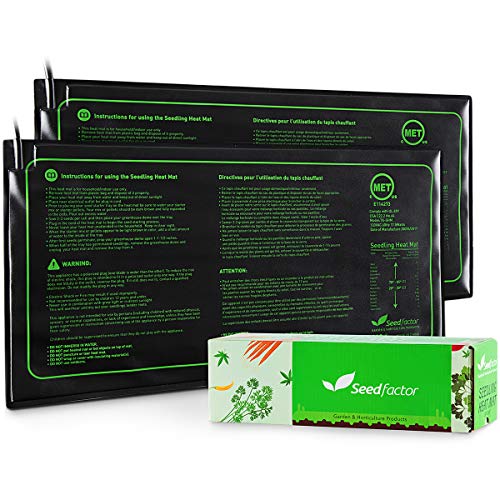
MET safety certified;Comply with UL 499;CSA C22.2 No.64

IDEAL GERMINATION TEMPERATURE: The BN-LINK seedling heat mats for seed starting helps maintain temperatures around 70°F to 85°F, the optimal range for seed germination, cutting propagation, and healthy seedling growth. Achieve faster germination and higher growth rates with seed heating mat.

Reliable Results: The VIVOSUN professional heat mat maintains optimal temperatures around 68-86℉ (20-30℃), perfect for Seedling start and cutting propagation; Made from durable PVC material, it's designed to last
Monitoring Germination Progress
To track your cucumber seeds’ progress, here are a few simple steps you can follow:
- Check Daily: Take a few moments each day to inspect your seeds. Look for any signs of germination such as tiny sprouts breaking through the soil.
- Note Changes: Keep a journal or use a gardening app to record any changes you observe. This can help you track the rate of germination and identify any issues early on.
- Adjust as Needed: If you notice slow or uneven germination, consider adjusting factors like light, moisture, or temperature to create a more favorable environment for your seeds.
- Be Patient: Remember that germination time can vary based on conditions. Some seeds may sprout earlier than others, so it’s essential to practice patience during this process.
- Celebrate Progress: Once you see those first green sprouts, celebrate your success! It’s a rewarding moment that marks the beginning of your cucumber plant’s growth journey.
Temperature Range for Germination:
| Temperature (°F) | Average Germination Time |
|---|---|
| 60-70 | 10-20 days |
| 70-80 | 6-9 days |
| 80-90 | 4-6 days |
| 90-100 | 2-3 days |
- Monitoring germination progress is crucial for successful cucumber seed sprouting.
- Being attentive to changes and adjusting conditions when needed can lead to better germination outcomes.
Conclusion
That’s it! Monitoring your cucumber seeds’ germination progress is key. Check daily, make adjustments as needed, and remember to be patient. Each sprout is a milestone in your plant’s growth journey. Refer to the temperature chart for guidance and stay attentive for optimal results. Happy planting!
Frequently Asked Questions
Why is monitoring germination progress important when planting cucumber seeds?
It is crucial to monitor germination progress to ensure optimal conditions for successful sprouting. Checking seeds daily allows for prompt adjustments in factors like light, moisture, and temperature, leading to better germination rates.
How often should I check on my cucumber seeds for signs of sprouting?
Checking your cucumber seeds daily is recommended to observe any changes and detect sprouting early on. Daily monitoring enables you to address any issues promptly, enhancing the chances of successful germination.
What actions should I take if I notice changes in my cucumber seeds during germination?
If you notice changes in your cucumber seeds during germination, such as slow progress or dryness, adjust factors like light and moisture accordingly. Providing optimal conditions increases the likelihood of healthy seed sprouting.
Why is it essential to practice patience during the germination process?
Patience is key during the germination process because cucumber seeds have varying germination times. Being patient allows the seeds the time they need to sprout, ensuring a successful growth journey for your cucumber plants.
How can I celebrate the first sprouts of my cucumber seeds effectively?
Celebrate the first sprouts of your cucumber seeds by acknowledging the milestone in your plant’s growth journey. Embrace the initial signs of growth as a positive indicator of successful germination, motivating you to continue caring for your cucumber plants.
