

Ever wondered how you could turn those juicy cucumbers into a sustainable source of future harvests? Picture this: you’re enjoying a crisp cucumber salad, and it hits you – why not save those seeds and grow your own cucumbers next season? Exciting, right?
Selecting the Right Cucumbers for Seed Saving
When choosing cucumbers for seed saving, it’s crucial to select the right variety to ensure a successful harvest. Here’s how you can make the best selection:
- Opt for open-pollinated or heirloom cucumber varieties.
- Avoid hybrid cucumbers, as they may not produce consistent results in the next generation.
- Look for cucumbers that are fully ripe on the vine for the best seed quality.
- Organic cucumbers are preferable to prevent potential chemical interference with seed viability.
- Consider the characteristics you want in your next cucumber crop, such as size, taste, and resistance to common pests and diseases.
Remember, choosing the right cucumbers is the first step in ensuring a bountiful and successful seed-saving experience.
Recommended Products
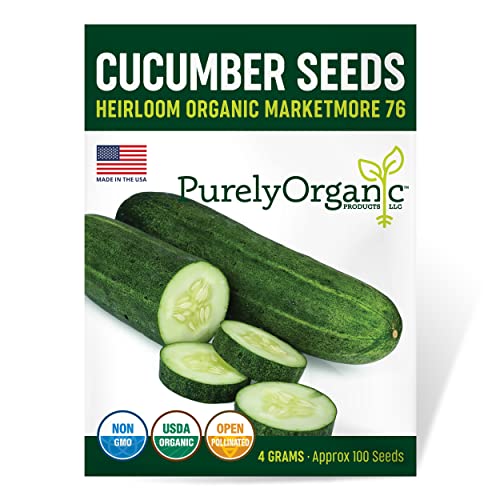
Cucumis Sativus: These finest quality, non-GMO, USDA Organic Marketmore Cucumber seeds produce hefty dark green, smooth fruits 8-9 inches long with a sweet and mild flavor ideal for slicing, salads, sandwiches and soups.

★ Seed Information ★ Package includes approximately 100 seeds. If the number of seeds does not match the indicated amount, please contact us, and we will solve this problem ASAP. On the back of each packaging you will find English instructions for planting and growing. Please follow the instructions for a good harvest

Yields and average of 13 “Tokiwa” cucumber plants per packet or roughly 170 lbs of Japanese Cucumber after a 120 day growing season, if watered and fed well.
Harvesting Cucumber Seeds
When it’s time to harvest cucumber seeds, here are the steps to follow:
- Choose fully ripe cucumbers from the vine.
- Scoop out the seeds and pulp, placing them in a container.
- Add water to the container and let it sit for a few days.
- Rinse the seeds until they are clean and free of debris.
- Spread the seeds out to dry completely before storing them.
Remember, proper harvesting ensures successful seed saving for future crops.
Fermenting and Cleaning the Seeds
To ferment cucumber seeds, place the seeds and pulp in a jar with water and let them sit for a few days. This process helps remove germination inhibitors and bad seeds.
After fermenting, pour the mixture into a strainer and rinse well under running water. Do this until only clean seeds are left, ensuring no pulp remains.
Spread the clean seeds out on a paper towel to dry completely. Make sure they’re in a single layer and leave them undisturbed for a few days.
| Important Tip: |
|---|
| Properly fermented and cleaned seeds are crucial for successful seed saving. |
Recommended Products
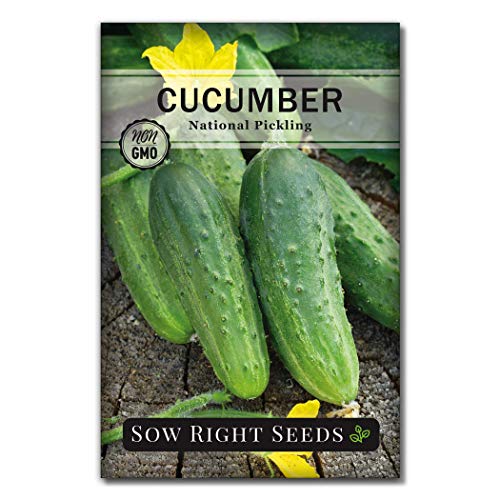
Beautiful - Full-color packet of National Pickling Cucumber seeds (Cucumis Sativus), a heavy producing self-pollinating variety that is burpless and wonderful for pickles or eating fresh. Sweet skins do not need to be peeled. Minimum of 1g per packet (about 39 seeds).

Heirloom, early-maturing favorite: Heirloom favorite boston cucumber seeds mature in 55-60 days, producing sweet, crunchy 2-6 inch picklers on vigorous vines with high yields for your vegetable garden and home garden seed collection.

Boston Pickling Cucumber seeds garden seeds vegetable seeds bulk
Storing the Seeds Properly
To ensure optimal viability and longevity, storing cucumber seeds correctly is crucial. Here are some essential steps to help you preserve your seeds for future planting:
- Dry Thoroughly: After cleaning, spread the cucumber seeds out on a paper towel in a well-ventilated area. Let them air dry for about a week to ensure all moisture is gone.
- Cool, Dry Location: Once completely dry, store the seeds in a cool and dark place. A temperature of around 50°F (10°C) in a dry environment is ideal for seed preservation.
- Container Choice: Use airtight glass jars or sealed envelopes to keep your cucumber seeds safe from moisture and pests. Be sure to label each container with the seed type and harvest date.
- Avoiding Moisture: Moisture is the enemy of stored seeds. Consider adding a silica gel packet to absorb any excess moisture in the storage container.
- Regular Check-ups: Periodically inspect your stored seeds for any signs of mold or pest infestation. Discard any seeds that show damage to prevent the spread to others.
Maintaining the proper storage conditions for your cucumber seeds is essential for maximizing their lifespan and viability. With these tips, you can safeguard your seeds for future planting and ensure a successful harvest.
Tips for Successful Seed Saving
When it comes to saving cucumber seeds, following a few essential tips can make a significant difference in the viability and quality of your future crops. Here are some practical suggestions to ensure successful seed saving:
- Choose the Best Cucumbers: Select ripe, healthy cucumbers from vigorous plants for seed saving. Avoid using fruits that are overripe or damaged.
- Proper Extraction: Scoop out the seeds from the cucumbers and place them in a bowl of water. Good seeds will sink to the bottom while non-viable ones will float.
- Thorough Cleaning: Rinse the seeds well to remove any pulp or debris. Spread them out to dry on a paper towel in a warm, well-ventilated area.
- Ideal Storage Conditions: Store the dried seeds in a cool, dark place to maintain their viability. Using airtight containers, such as glass jars or sealed envelopes, helps protect the seeds from moisture and pests.
- Labeling and Organizing: It’s crucial to label your seed containers with the date and cucumber variety. This simple step can prevent confusion when it’s time to plant.
- Regular Inspection: Check your stored seeds periodically for any signs of mold or pests. Removing any compromised seeds immediately can prevent the damage from spreading.
Conclusion
You’ve learned valuable insights on saving cucumber seeds successfully. Remember to choose ripe, healthy cucumbers, clean the seeds well, and store them correctly. Labeling containers with dates and cucumber types is essential. Regular checks for mold or pests are vital to maintain seed quality. By following these tips, you’ll be all set for a bountiful harvest in the future. Happy seed saving!
Frequently Asked Questions
How should I select cucumbers for seed saving?
Select ripe and healthy cucumbers for seed extraction. Avoid using overripe or damaged cucumbers as they may affect seed quality.
What is the key step after extracting cucumber seeds?
Thoroughly clean the extracted seeds to remove any pulp or debris for optimal seed storage and germination.
How should I store cucumber seeds for future use?
Store cucumber seeds in a cool, dry place in airtight containers. Ensure containers are labeled with the date and cucumber variety for easy identification.
Why is regular inspection important for stored cucumber seeds?
Regularly inspect stored cucumber seeds for signs of mold or pests to prevent contamination and ensure seed viability for future planting.
