

Have you ever dreamed of harvesting fresh cucumbers straight from your own garden? Picture this: the satisfaction of growing your own crisp, juicy cucumbers, free from pesticides and chemicals. In this article, we’re here to guide you through the simple yet rewarding process of planting cucumber plants in your backyard.
Imagine stepping outside, plucking a cucumber off the vine, and adding it to your salad or enjoying it as a refreshing snack. With our tips and tricks, you’ll learn the ins and outs of cultivating thriving cucumber plants, from selecting the right variety to caring for them as they grow. Get ready to embark on a journey to transform your garden into a bountiful cucumber paradise.
Selecting the Right Cucumber Variety
When choosing cucumber seeds for your garden, consider factors like:
- Climatic conditions in your area.
- Your preferred cucumber taste and texture.
- The usage of the cucumbers (e.g., fresh eating, pickling).
- The space available for the plant to sprawl or grow vertically.
The most common cucumber varieties include:
- Slicing cucumbers: Ideal for salads and sandwiches.
- Pickling cucumbers: Perfect for making pickles.
Hybrid versus heirloom varieties:
- Hybrid cucumbers: Often offer disease resistance and high yields.
- Heirloom cucumbers: Valued for their unique flavors and historical significance.
Consider your gardening goals and preferences before selecting the cucumber variety that best suits you.
Recommended Products

Heirloom, early-maturing favorite: Heirloom favorite boston cucumber seeds mature in 55-60 days, producing sweet, crunchy 2-6 inch picklers on vigorous vines with high yields for your vegetable garden and home garden seed collection.

BURPLESS AND LOW ACID – Smooth-skinned cucumbers with no bitterness, ideal for easy digestion, fresh eating, or quick-pickling snacks

Choosing the Ideal Planting Location
When selecting a spot for your cucumber plants, prioritize sunlight. Aim for at least 6-8 hours of direct sunlight daily for optimal growth.
Consider soil quality; cucumbers thrive in well-draining, nutrient-rich soil with a pH level between 6.0 and 7.0.
Check for air circulation to prevent diseases. Adequate space between plants helps promote airflow, reducing the risk of fungal issues.
Avoid low-lying areas that can lead to waterlogged soil, which may harm the plants. Opt for a slightly elevated location to enhance drainage.
Choose a site near a water source for convenient irrigation. Cucumbers need consistent moisture to grow well.
If planting in containers, select pots with drainage holes to prevent waterlogging and ensure healthy root development.
Remember, a well-chosen planting location sets the foundation for successful cucumber growth.
Soil Preparation and Planting
When it comes to planting cucumber plants, soil preparation plays a crucial role in their successful growth. Here are some key steps to ensure your cucumbers thrive:
- Clear the Area: Remove any weeds or debris from the planting location.
- Loosen the Soil: Break up compacted soil to about 12 inches deep to encourage root growth.
- Incorporate Compost: Mix in compost to enrich the soil with essential nutrients.
- Check pH Levels: Aim for a pH level between 6.0-7.0 for optimal growth.
Once the soil is prepared, it’s time to plant your cucumber seeds or seedlings:
- Seed Depth: Plant cucumber seeds about 1 inch deep in rows or hills.
- Spacing: Ensure plants are around 36 inches apart to allow for proper growth.
- Support: Consider adding trellises or stakes for climbing varieties.
Remember to water the soil thoroughly after planting and provide consistent moisture throughout the growing season for healthy cucumber development.
Recommended Products

【Extra-Large Height & Space for Climbing Plants】Standing at 65 inches tall—3 inches higher than standard versions—this trellis provides generous vertical space for vigorous climbers. The 51×17.7-inch frame with dense netting ensures even plant distribution and maximum sunlight exposure, effectively improving fruit yield and quality.

Comprehensive Plant Growing Cage Set: enjoy the convenience of our versatile plant growing cage set, which includes two planting cages and two planting beds, offering you a complete solution for all your gardening needs; The cage's total height is 47 inches with 11.8 inch spacing; Each of the planting beds has a 10 gallon capacity and measures 13.7 inches in diameter and 11.8 inches in height, perfectly accommodating the planting cage
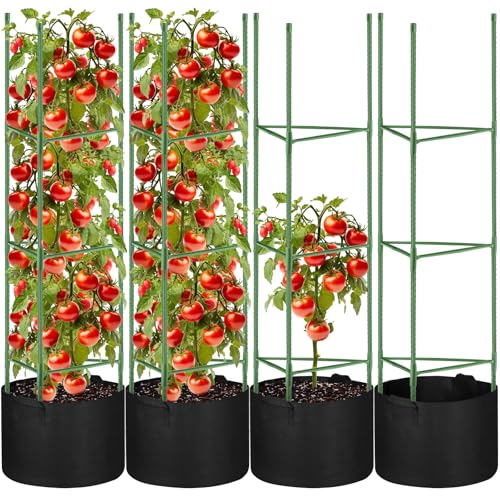
Larger size tomato cages kit: you will receive 4 x 4 layer triangular tomato cages measuring 55 x 12 inches, 4 x 11 gallon grow bags and instruction manual, large size to meet your growing needs, you can use them together or separately
Providing Adequate Water and Sunlight
When it comes to cucumber plants, ensuring they receive enough water and sunlight is key to their growth and development. Here are some essential tips to help you optimize these crucial elements for your cucumber plants:
Watering Tips:
- Consistent Moisture: Cucumbers thrive in consistently moist soil. Aim to keep the soil evenly moist, but not waterlogged.
- Deep Watering: Water deeply to encourage strong root growth. Shallow watering may lead to shallow roots.
- Morning Watering: It’s best to water your cucumber plants in the morning to allow the foliage to dry before evening, minimizing the risk of diseases.
- Mulching: Adding a layer of mulch around your plants can help retain soil moisture and prevent water evaporation.
- Full Sun: Cucumbers love sunlight and need at least 6-8 hours of direct sunlight each day.
- South-Facing Exposure: If possible, place your cucumber plants in a location with a south-facing exposure to maximize sunlight exposure.
- Shade Protection: During intense afternoon sun, providing light shade can prevent scorching of the leaves while still allowing sufficient sunlight for growth.
- Monitor Soil Moisture: Check the soil moisture regularly by inserting your finger into the soil. Water if the top inch feels dry.
- Leaf Position: Watch for any signs of wilting leaves, which could indicate a need for more water. Adjust watering accordingly.
Recommended Products
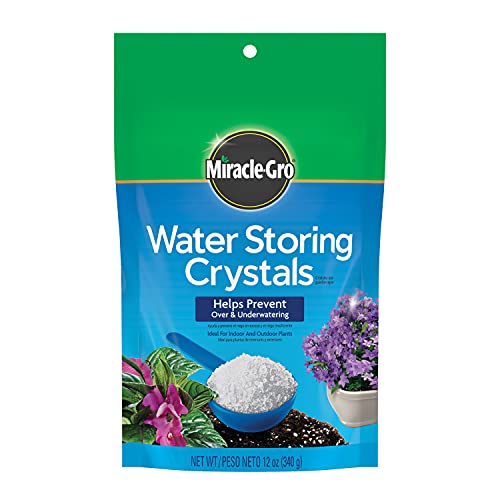
Prevents Over and Under Watering: Miracle-Gro Water Storing Crystals absorb moisture and release it back to your plants as needed, helping to prevent over and underwatering

LONG-LASTING WATER LOCK - If you’re looking for a great way to keep your plants hydrated and healthy, these water crystals are the perfect solution. Don't let your plants suffer from dehydration or overwatering anymore, these water storage crystals will keep your greens in top shape.

Miracle-Gro Moisture Control Potting Mix feeds plants for up to 6 months and Grows Plants Twice As Big! (vs unfed plants)
Managing Pests and Diseases
To ensure healthy cucumber plants, it’s important to be proactive in managing pests and diseases. Here are some practical tips to help you protect your cucumber crop:
- Inspect Regularly: Check your plants frequently for any signs of pests or diseases.
- Practice Crop Rotation: Avoid planting cucumbers in the same spot each year to reduce the risk of recurring pests and diseases.
- Encourage Beneficial Insects: Invite ladybugs, lacewings, and other beneficial insects to your garden to keep pest populations in check.
- Remove Affected Leaves: If you notice any leaves with signs of disease, promptly remove them to prevent spreading.
- Use Organic Pest Control: Consider using neem oil, insecticidal soap, or other organic insecticides to manage pests without harsh chemicals.
- Consider Companion Planting: Planting companion plants such as marigolds, nasturtiums, or basil can help deter pests naturally.
Remember, early detection and intervention are key to maintaining a healthy cucumber crop. By staying vigilant and taking proactive measures, you can protect your plants from common pests and diseases.
Harvesting Your Cucumber Plants
When it’s time to harvest your cucumber plants, here are a few tips to ensure you do it right:
- Regular Harvesting: Pick cucumbers when they reach the desired size, typically around 6 to 8 inches long. Overripe cucumbers can be bitter.
- Check Daily: Inspect your plants daily for ripe cucumbers. They can grow quickly, so missing a day might mean harvesting oversized cucumbers.
- Twist and Snip: To harvest, gently twist the cucumber until it separates from the vine. Alternatively, you can snip it off with pruners.
- Don’t Delay: Harvesting promptly encourages the plant to produce more cucumbers. Delayed harvest can halt fruit production.
- Handle with Care: Cucumbers are delicate, so handle them carefully to avoid bruising or damaging the skin.
Conclusion
You’ve learned valuable tips for planting and harvesting cucumber plants effectively. Remember to harvest at the right size to avoid bitterness, inspect daily to prevent oversized cucumbers, and handle them gently to protect their delicate skin. By following these guidelines, you’ll enjoy a bountiful cucumber harvest and savor the fresh flavors they bring to your table. Happy planting!
Frequently Asked Questions
How can I prevent bitterness in cucumbers during harvesting?
Harvest cucumbers at the right size regularly to prevent bitterness due to overripening.
How can I avoid oversized cucumbers in my harvest?
Perform daily inspections of your cucumber plants and harvest mature cucumbers promptly to prevent them from growing too large.
What is the best method for harvesting cucumbers?
Harvest cucumbers by gently twisting them off the vine or snipping them with pruners for minimal damage.
Does prompt harvesting help in increasing cucumber production?
Yes, prompt harvesting of mature cucumbers can stimulate the plant to produce more fruits continuously.
How should I handle harvested cucumbers to prevent damage?
Handle harvested cucumbers with care to avoid damaging their delicate skin, which can lead to spoilage.
