

Ever wondered how to turn those tiny beet seedlings into a bountiful harvest? Picture this: you’re eager to grow your own fresh beets, but not sure where to start. That’s where we come in to guide you through the process step by step.
Have you ever faced the dilemma of whether to plant beet seeds directly in the ground or opt for seedlings to speed up the growth process? Imagine the satisfaction of watching your beet plants thrive under your care, from tiny seedlings to vibrant, nutrient-packed roots ready to grace your table.
In this article, we’ll share expert tips and tricks on planting beets from seedlings, ensuring a successful and rewarding gardening experience. Get ready to enjoy the taste of homegrown beets while nurturing your green thumb along the way.
Selecting the Perfect Seedlings
When choosing seedlings, opt for ones that are healthy and vibrant. Look for green and sturdy shoots with well-developed leaves. Avoid seedlings that appear leggy, as this could indicate they were grown in poor light conditions.
Ensure the root system is well-established by gently tipping the seedling out of its container. A healthy root system should be white or light-colored, with numerous small roots spreading out.
Transplant seedlings that are at least 2-3 inches tall. While smaller seedlings can be transplanted, larger ones tend to establish faster in the garden.
Consider the variety of beets you want to grow when selecting seedlings. Some varieties are known for their sweetness, while others are prized for their earthy flavor. Pick seedlings based on your preferred taste profile.
Remember to harden off your seedlings before transplanting them outdoors. This process helps them acclimate to outdoor conditions gradually, reducing the risk of transplant shock.
Once you’ve selected the perfect seedlings, you’re one step closer to a successful beet harvest.
Choosing the Right Location
When selecting a location for your beet seedlings, remember:
- Sunlight: Find a spot with at least 6 hours of sunlight each day.
- Soil: Opt for well-draining soil rich in organic matter.
- Space: Allow for 6 inches between each plant to promote healthy growth.
For optimal growth, aim for a location that meets these key criteria.
Preparing the Soil
To give your beet seedlings the best start, prepare the soil properly. Here are the steps to get your soil ready:
- Clear the area where you plan to plant the seedlings. Remove any weeds and debris.
- Loosen the soil to a depth of about 12 inches. This helps the roots grow easily.
- Add organic matter like compost to enrich the soil. It provides essential nutrients.
- Ensure good drainage by incorporating sand or perlite into the soil mix. Beets don’t like soggy soil.
| Important Note: |
|---|
| Well-draining soil rich in organic matter provides the right foundation for healthy beet growth. |
Remember, healthy soil sets the stage for flourishing beet seedlings.
Recommended Products

Miracle-Gro Indoor Potting Mix for Seed Starting grows stronger roots for seeding success (vs unfed when used as directed)
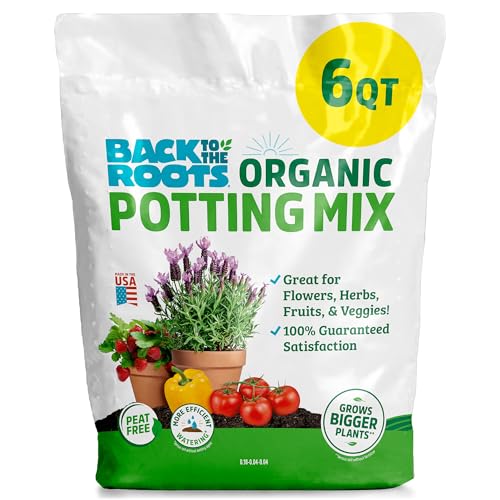
Includes 6qt of Back to the Roots Premium Blend Potting Mix. 100% Organic and Peat-Free, made from upcycled plant matter and wood fines from across the U.S. No imported peat, just better soil with a lighter carbon footprint.

🌱 PERFECT FOR ALL PLANTS Versatile all-purpose potting mix designed for indoor plants, outdoor gardening, seeds, herbs, flowers, and vegetables. Ideal for beginners and experienced growers.
Transplanting Beet Seedlings
When it’s time to transplant your beet seedlings, ensure the soil is moist but not waterlogged. Transplant on a cloudy day or in the evening to prevent stress from the sun.
Here’s how to transplant beet seedlings effectively:
- Dig Holes: Dig holes that are deep enough to cover the roots fully.
- Space Properly: Space seedlings at least 6 inches apart for optimal growth.
- Cover Gently: Cover roots with soil, and pat down gently to secure the seedlings.
Remember, beet seedlings are delicate at this stage, so handle them with care. Water the newly transplanted seedlings gently to help them settle into their new home.
Recommended Products

Indoor Garden Seed Starter Trays: Kickstart your indoor garden effortlessly with our thoughtfully designed seedling start trays. Each cell measures 1.6 inches in width, 1.6 inches in length, and 2 inches in depth, offering the perfect size for a wide array of seeds, including herbs, microgreens, succulents, tomatoes, roses, vegetables, and more.

Pro Grow Lights with Advanced Chips: Equipped with 56 high-efficiency beads per tray, these LED strips simulate natural sunlight for optimal seedling growth. Adjustable brightness and timer functions let you customize lighting for every plant stage, promoting faster, healthier growth—perfect for herbs, flowers, and more

Full Spectrum LED Plant Lights: Each seed starter tray has 16 LED grow lights that provide full-spectrum light that acts like natural sunlight to accelerate the indoor growth of seedlings, perfect for plants at all stages of growth.
Caring for Your Beet Plants
To ensure your beet plants thrive, here are some essential tips to keep in mind:
- Watering: Regular watering is crucial. Keep the soil consistently moist but not waterlogged. Aim to water around 1-2 inches per week.
- Weeding: Regular weeding helps prevent competition for nutrients and allows your beet plants to grow without hindrance.
- Thinning: Thin out your beet plants when they reach around 2 inches in height to provide ample space for each plant to develop properly.
- Fertilizing: Consider fertilizing your beet plants with a balanced fertilizer to support healthy growth. Follow instructions carefully.
- Pest Control: Keep an eye out for pests such as aphids or leaf miners. Address issues promptly using appropriate measures.
- Harvesting: When your beets are ready for harvesting, gently pull them out of the soil. Ensure the soil is moist to make this process easier and prevent breakage.
- Storage: Store harvested beets in a cool, dark place. Remove the tops, leaving an inch of stem attached, to keep them fresh longer.
Remember, Caring for Your Beet Plants diligently is key to a bountiful harvest.
Recommended Products

4-Hole Side Design: This high-performance tree watering spike makes it easy to deliver water and fertilizer directly to the root zone. The upgraded side-hole design helps improve watering efficiency, while the sharp tip makes it easy to push into hard or compact soil. The 4 side outlets help reduce clogging and distribute water more evenly for deep root watering and feeding.

【Unique Design Deep Root Tree Watering Tool】 Our root watering tool have four exit hole for the water,won't got clogged easily,It made of stainless steel,not rusting from the inside out.It can leave in the soil and is strong enough to drive through gravel,help your plants build a strong root system .

Self Watering Tool for Bonsai Trees With Using Two Recycled Plastic Bottles. No worry to water Bonsai Trees While You are on vacation For Two Weeks or More ! Use example: 0.5l + 0.5l = 1liter.It's effective to put nutrient in bottle.With2Siliconrings
Conclusion
You now have the key insights to successfully grow beets from seedlings. Remember to water consistently, weed regularly, thin out overcrowded plants, fertilize appropriately, control pests, harvest with care, and store your beets properly. By applying these tips diligently, you’ll nurture thriving beet plants and reap the rewards of a plentiful harvest. Happy gardening!
Frequently Asked Questions
Why is watering important for beet plants?
Regular watering is crucial for beet plants as they require consistent moisture to thrive and develop healthy roots. Irrigate the plants deeply to encourage deep root growth and avoid shallow watering that might lead to stunted development.
How should I control pests on my beet plants?
To control pests on beet plants, consider using organic insecticides or insecticidal soaps. Monitor your plants regularly for signs of pests like aphids or beetles. Handpick larger pests and spray affected plants with a solution of neem oil and water to deter pests effectively.
When is the best time to harvest beets?
Beets are ready for harvest when they have reached a suitable size, typically around 1 to 3 inches in diameter. Harvest beets when they are still young and tender for the best flavor. Use a garden fork to gently lift the beets from the soil to avoid damaging the roots.
